TILICHO LAKE TREK
US$1,890.00
/pp
-
14 Days
-
Annapurna
-
Spring/Autumn
-
Trekking
-
4,920 Meters
-
Moderate
-
Bus / Plane
-
01-16 People
-
JH#204
 Overviews
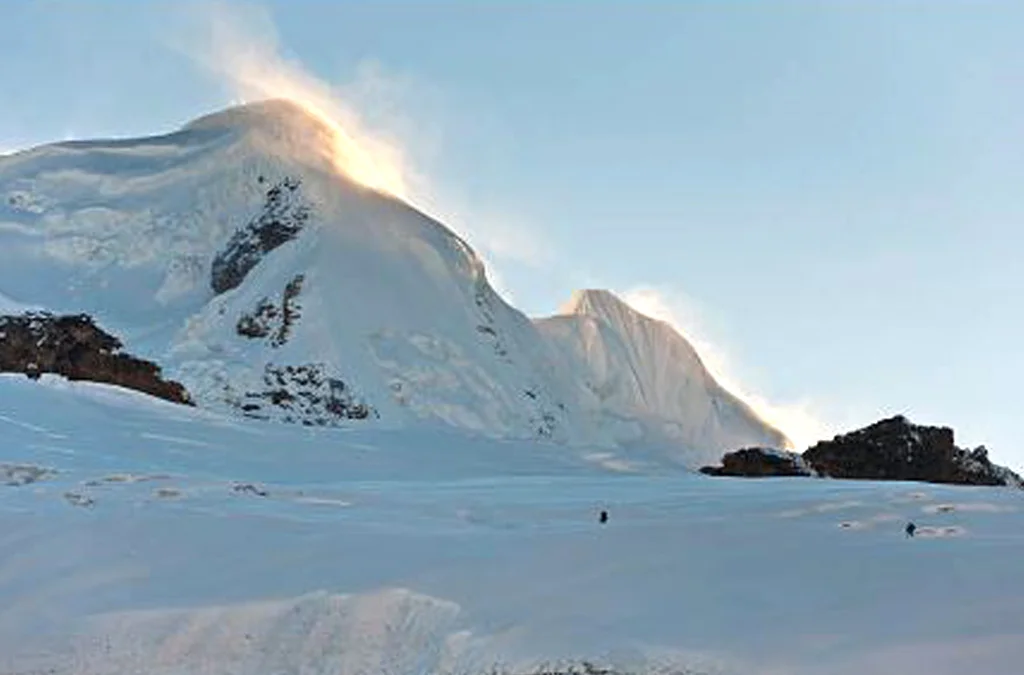
Experience the Tilicho Lake Trek in Nepal’s Annapurna region. Marvel at breathtaking landscapes and the stunning Tilicho Lake at 4,949 meters. This celebrated trek features diverse terrains, including lush forests, terraced fields, and alpine meadows. The journey culminates at the pristine Tilicho Lake, surrounded by the majestic peaks of Tilicho and Annapurna. Your Tilicho Lake Trek adventure begins in Kathmandu, where you will explore the city’s rich history, ancient temples, and vibrant markets. From Kathmandu, travel to Besishahar, the gateway to the Annapurna region. Here, your trek begins, taking you through scenic landscapes toward Manang. This village is renowned for its Tibetan-influenced culture and traditional stone architecture. Manang is a key stop for acclimatization and offers a rare glimpse into local life, helping you prepare for higher altitudes. During the Tilicho Lake Trek, enjoy panoramic views of the Annapurna range. You will traverse various landscapes, including colorful rhododendron forests, lush meadows, and rugged mountain terrain. Interact with the Gurung and Manangi communities, visit ancient monasteries, and immerse yourself in their vibrant cultural heritage. Each day brings new and stunning vistas, enhancing your trekking experience. The best time to do Tilicho Lake Trek is from spring to autumn, offering optimal conditions for exploring these high-altitude areas. With expert guidance, well-organized logistics, and a carefully planned itinerary, this Tilicho Lake Trek provides an unforgettable journey through one of Nepal’s most captivating and less-traveled routes. Conclude your Tilicho Lake Trek in Besishahar. And if time allows, extend your holiday with a visit to Pokhara. Experience its serene lakes, breathtaking mountain views, and charming ambiance. Join us for the Tilicho Lake Trek and create lasting memories while exploring one of the Himalayas’ most serene and awe-inspiring destinations. Tilicho Lake Trek DifficultyThe Tilicho Lake Trek is rated as a moderate to challenging trek, depending on the chosen route and altitude tolerance. The trail leads to Tilicho Lake at 4,919 meters (16,138 feet) — one of the highest lakes in the world — involving 6 to 8 hours of trekking per day over rugged, often steep terrain. While the trek does not require technical climbing, the high altitude, unpredictable weather, and remote mountain paths add to its difficulty. Good physical fitness, proper acclimatization, and previous trekking experience are recommended. For those prepared, the trek offers a dramatic mix of alpine scenery, glacial valleys, and a truly unforgettable high-altitude experience. Tilicho Lake Trek CostThe Tilicho Lake Trek cost typically includes essential services such as a licensed trekking guide, porter assistance, ACAP/TIMS permits, teahouse or camping accommodations, all meals during the trek, and ground transportation to and from the trailhead. Solo trekkers receive personalized attention, while groups enjoy tiered pricing, with per-person rates decreasing as group size increases. We also offer special seasonal promotions during off-peak periods to make this breathtaking high-altitude trek more affordable. Although our website displays standard international rates, you’re invited to contact us directly for private-group quotes, where we guarantee the most competitive rate without compromising on quality, safety, or service standards for your unforgettable journey to one of the world’s highest lakes.
Itinerary (Plan)
Arrive in Kathmandu (1,400 m / 4,593 feet), Nepal's vibrant capital, where you'll be warmly welcomed with marigold garlands. After transferring to your hotel, take time to relax and acclimate to the bustling city. Discover vibrant local markets, indulge in traditional Nepali dishes, and delve into Kathmandu's rich cultural tapestry. This initial day is perfect for easing into your journey, setting the stage for the exciting adventures ahead in Eastern Nepal. A representative from Jagadamba Holidays will ensure a smooth and pleasant arrival.
Optional Evening Activity:
If you wish, you can spend your evening experiencing the Pashupatinath Aarti, a captivating religious ceremony held at the Pashupatinath Temple. The Aarti usually begins around 6:00 PM and lasts for approximately an hour. This ceremony is a mesmerizing display of traditional music and rituals, providing a profound insight into Hindu spiritual practices. Please check the exact time for the Aarti on the day of your visit, as it may vary. This option is not included in the standard itinerary but offers a unique opportunity to immerse yourself in local culture.
After a hearty breakfast at your hotel in Kathmandu, begin an exhilarating drive from Kathmandu to Taal (1,857 m), offering a captivating introduction to Nepal’s landscapes. As you leave the bustling capital behind, the route winds through lush terraced fields, charming villages, and green hills, with panoramic views of the Himalayan foothills, setting the stage for the trekking adventure ahead. The drive spans approximately 212 km and typically takes 8–9 hours, depending on road conditions and traffic. The journey is moderate in difficulty due to winding mountain roads, but the constantly changing scenery—from flatlands to hilly terrain—makes it a rewarding and scenic start to your Nepal travel experience. The route initially traverses the flatlands surrounding Kathmandu, gradually ascending into rugged hills. Along the way, travelers pass vibrant local markets, rural settlements, and traditional temples, offering glimpses of daily life. Farmers tending their fields, children playing, and the rhythm of Nepali village life provide cultural immersion as you progress toward the mountains. As the journey continues, the road is flanked by dense forests and lush vegetation. Travelers may spot local wildlife and various birds, enhancing the connection with nature. Short stops along these forested stretches offer a peaceful experience and a taste of Nepal’s biodiversity, preparing you for the higher-altitude trekking ahead. Approaching Taal, the road becomes narrower and more winding, reflecting the mountainous terrain. The descent offers moments of solitude and spectacular glimpses of distant snow-capped peaks, including views of the surrounding Himalayan foothills. This section of the journey provides a serene and reflective experience amidst Nepal’s natural beauty. Finally, you arrive at Taal, a tranquil village nestled along the riverbanks. Its peaceful setting and scenic charm offer a perfect retreat after the long drive. This journey highlights the richness of Nepal’s rural culture and natural landscapes, providing an unforgettable introduction to your trekking adventure in the Annapurna region.
After breakfast at the lodge in Taal, we begin our trek toward Timang Village, immersing ourselves in the scenic landscapes of the Annapurna region. The trail immediately introduces trekkers to a mix of highland scenery, including lush terraced fields, rolling green hills, and charming mountain villages. Along the way, the vistas gradually open to panoramic glimpses of the distant Himalayan peaks, creating a sense of anticipation for the adventure ahead. Trekkers also gain their first experience of the local culture, observing traditional practices, rural settlements, and the harmonious relationship between the people and their environment. The trek spans 14 kilometers and typically takes 5–6 hours, making it a moderately challenging journey along the Annapurna Circuit trail. Over the course of the day, trekkers will ascend 1,020 meters and descend 120 meters, navigating a combination of forest trails, open ridges, and mountain paths. The trail’s varied terrain ensures both physical engagement and visual reward, with opportunities to pause and admire the Annapurna peaks, terraced landscapes, and cultural insights along the way. The distance and elevation make this trek a perfect introduction to highland trekking in Nepal. The route passes through traditional villages and cultivated terraces, with pathways meandering between homes, farm plots, and local temples. Trekkers encounter the rhythm of daily rural life, witnessing farmers tending their fields, children playing in the lanes, and small community gatherings. The winding mountain paths gradually ascend, providing changing perspectives of the surrounding valleys, streams, and forests, while maintaining a sense of connection to the cultural richness of the region. As the trek progresses, dense pine forests line the trail, interspersed with occasional open meadows. Native birdlife and small wildlife sightings add to the experience, offering moments of immersion in Nepal’s natural biodiversity. The fresh mountain air, filtered sunlight, and peaceful sounds of the forest create a tranquil environment for trekkers, allowing both relaxation and observation of the region’s ecological diversity. Approaching Timang Village, the trail opens to ridges and clearings that provide sweeping glimpses of the surrounding Annapurna peaks. The journey through these sections offers moments of solitude, reflection, and appreciation for the rugged beauty of the highlands. The interplay of forested paths, open vistas, and quiet rural trails highlights the serenity of the region, making the approach to Timang both visually and emotionally rewarding. Finally, we arrive at Timang Village at 2,750 meters, a picturesque settlement offering panoramic views of the mountains and insight into traditional highland life. The village offers a peaceful spot to relax, soak in the surrounding scenery, and experience the warmth of local culture. Trekkers can admire the surrounding peaks, reflect on the day’s journey, and prepare for the next stage of their Annapurna region trekking adventure, leaving with lasting memories of Nepal’s natural and cultural richness.
After a hearty breakfast at the lodge in Timang, we begin our trek on the classic Annapurna Circuit trek, heading toward Dhikur Pokhari (3,178 m). This section of the journey immediately immerses trekkers in the charm of the Annapurna region, with terraced fields, stone-built villages, and the first broad panoramas of the Himalayas. The peaceful mountain setting, combined with authentic cultural encounters, creates a rewarding start to the day. The trek covers 19 kilometers and takes around 6–7 hours. With an ascent of 910 meters and a descent of 290 meters, it is a moderately challenging stretch of the Nepal trekking trails. The steady climb rewards every step with new perspectives of the valleys and snow-covered mountains, making it both a physical challenge and a scenic adventure. The route begins with gentle climbs past traditional homes and prayer flags, gradually moving into higher ridges and open landscapes. Along the way, trekkers witness rural life in motion—farmers at work, children playing on narrow lanes, and monasteries dotting the trail—reflecting the deep-rooted culture of the Himalayan highlands. Further along, the path enters dense pine and rhododendron forests, where the cool shade and refreshing air provide a welcome contrast. Birdsong and the occasional sight of mountain wildlife enhance the experience, offering glimpses of the rich biodiversity that defines the Annapurna trekking region. As the forest opens, the trail reveals wide ridges with uninterrupted Himalayan views. This part of the walk is filled with solitude, serenity, and spectacular vistas of Annapurna and Manaslu, allowing trekkers to pause and reflect amidst the grandeur of the mountains. The day concludes at Dhikur Pokhari, a peaceful high-altitude pond surrounded by alpine meadows and mountain peaks. Its tranquil environment is ideal for rest and acclimatization, offering both natural beauty and cultural richness. Ending the day here sets the perfect stage for the higher-altitude adventures that await on the legendary Annapurna Circuit trek.
After a hearty breakfast at the lodge in Dhikur Pokhari, we set off on the next stage of the Annapurna Circuit trek, heading toward Ngawal (3,660 m). This day’s journey introduces trekkers to the unique highland culture and breathtaking scenery that define the Annapurna region. From the very start, the landscape reflects the charm of traditional Himalayan life blended with awe-inspiring mountain backdrops. The trek spans 13 kilometers and typically requires 5–6 hours of walking. Over the course of the day, trekkers will ascend 710 meters and descend 230 meters, making it a moderately challenging but rewarding section of the trail. The climb is steady and well-paced, ensuring plenty of opportunities to enjoy the stunning Himalayan views along the way. The route first guides us through the historic village of Ghyaru, famous for its stone-built houses, narrow lanes, and welcoming locals. This traditional mountain settlement also provides sweeping panoramas of the Annapurna range, giving trekkers one of the most memorable viewpoints on the trail. The cultural richness of Ghyaru offers insight into the region’s heritage and the resilience of life in the high Himalayas. Leaving Ghyaru, the trail gradually shifts from cultivated terraces and scattered forests to more open highland terrain. Here, trekkers can fully appreciate the dramatic contrast of landscapes that make the Nepal trekking experience so diverse. The clear mountain air, wide valleys, and scattered chortens along the path highlight both the spiritual and natural essence of the region. As the elevation increases, the solitude of the trail becomes more profound, accompanied by unobstructed views of Annapurna, Gangapurna, and Tilicho Peak. The serene atmosphere and vast mountain vistas create a perfect space for reflection, giving trekkers the chance to truly embrace the grandeur of the Himalayas. These stretches are ideal for photography, meditation, or simply pausing to take in the grandeur. The day concludes in Ngawal Village (3,660 m), a picturesque settlement perched high above the valley. Known for its wide views of the Annapurna range and authentic highland atmosphere, Ngawal is both a resting point and a cultural highlight. Its welcoming community, prayer flags, and traditional architecture embody the spirit of the Annapurna Circuit trek, making it an unforgettable stop before continuing to the higher-altitude trails ahead.
After a hearty breakfast at the lodge in Ngawal, we begin our next stage on the Annapurna Circuit trek, making our way toward Khangsar (3,756 m). This section of the journey introduces trekkers to both cultural and natural highlights of the Annapurna region, blending Tibetan-influenced traditions with breathtaking Himalayan landscapes. From the very start, the route promises scenic beauty and cultural immersion that make Nepal trekking so rewarding. The trek covers a distance of 15.5 kilometers and usually requires 5–6 hours of walking. Along the way, trekkers will ascend 380 meters and descend 330 meters, making this day moderately demanding yet highly manageable. The gradual elevation changes help with acclimatization, preparing trekkers for the higher-altitude adventures ahead in the Annapurna Himalayas. A major highlight of this route is passing through Manang Village (3,540 m), one of the most iconic settlements on the Annapurna Circuit trek. Known for its dramatic mountain backdrop and vibrant Tibetan-style culture, Manang offers a chance to explore stone-built houses, prayer wheels, monasteries, and bustling streets filled with trekkers. The village is a cultural hub and an important acclimatization stop, giving trekkers a glimpse into traditional Himalayan life. Beyond Manang, the trail transitions into open highland terrain dotted with chortens, mani walls, and panoramic viewpoints. The landscapes become increasingly rugged, offering striking contrasts of valleys and snow-capped peaks. Trekkers can enjoy uninterrupted views of Annapurna II, Gangapurna, and Tilicho Peak, making this section a photographer’s delight and a memorable part of the Nepal trekking experience. As we approach Khangsar Village, the solitude of the trail deepens, and the atmosphere becomes profoundly peaceful. The quiet paths, combined with sweeping views of the Himalayan mountains, provide moments of reflection and connection with nature. Prayer flags fluttering in the wind add a spiritual dimension to the journey. The day concludes in Khangsar (3,756 m), a tranquil highland village renowned for its Tibetan-influenced architecture and serene setting. Here, trekkers can unwind, interact with locals, and immerse themselves in authentic Himalayan culture. This stop offers both relaxation and cultural exploration, making it a perfect stage in the wider Annapurna Circuit and Tilicho Lake trek adventure.
After a hearty breakfast at the lodge in Khangsar (3,756 m), we begin one of the most spectacular sections of the Annapurna Circuit and Tilicho Lake trek, making our way toward Tilicho Base Camp (4,150 m). This stage of the journey is a highlight for trekkers, offering raw Himalayan landscapes, rugged terrain, and unparalleled views of the towering Annapurna mountains. From the very first steps, the trail exudes the wild, high-altitude charm that defines Nepal trekking at its most adventurous. The trek from Khangsar to Tilicho Base Camp covers a distance of 9 kilometers and typically takes 3–4 hours of steady walking. Trekkers will ascend 550 meters and descend 150 meters, making this a relatively short but physically demanding section due to the altitude and terrain. This part of the journey is crucial for proper acclimatization before attempting the hike to Tilicho Lake, one of the highest alpine lakes in the world. The route initially passes through rugged highland paths with scattered chortens, prayer flags, and stone cairns marking the way. As we climb higher, the environment transitions into a stark, almost otherworldly setting of rocky cliffs and barren slopes. Unlike the lower valleys of the Annapurna region, here the landscape is dominated by dramatic ridges, landslide areas, and sheer drops that remind trekkers of the immense power of the Himalayan mountains. This section of the trek offers a chance to fully immerse in the high-altitude wilderness, with only a few shrubs, alpine grasses, and hardy wildlife like blue sheep surviving in these extreme conditions. The isolation of the trail creates a profound sense of solitude, interrupted only by the sight of snow-capped peaks such as Tilicho Peak, Annapurna III, and Gangapurna dominating the skyline. This raw beauty is what makes the Tilicho Lake trek such a unique experience in Nepal. As the trail narrows, panoramic views open up across the valley, creating awe-inspiring photo opportunities. The silence of the high-altitude environment and the sheer scale of the Annapurna Himalayas invite trekkers to pause and reflect on the magnitude of nature. Every step forward builds anticipation for the next day’s journey to Tilicho Lake, often regarded as one of the crown jewels of the Annapurna Circuit trek. Our day concludes at Tilicho Base Camp (4,150 m), a vital acclimatization stop before the climb to the lake. Nestled in a stark yet beautiful setting, the base camp offers breathtaking mountain vistas and a rare chance to rest in the shadow of the mighty Annapurna peaks. The atmosphere here is both tranquil and exhilarating, preparing trekkers for the unforgettable adventure of reaching Tilicho Lake, the world’s highest-located alpine lake.
After a nourishing breakfast at Tilicho Base Camp (4,150 m), trekkers face a choice between a day of rest in the serene high-altitude environment or a challenging yet rewarding excursion to Tilicho Lake (4,920 m), celebrated as one of the highest alpine lakes in the world. This day provides a rare opportunity to fully engage with the dramatic landscapes, unique biodiversity, and cultural allure of the Annapurna region, making it an unforgettable segment of the trek. The day hike to Tilicho Lake covers a 13-kilometer round trip, generally requiring 6–7 hours of trekking. The trail entails an ascent of 910 meters and a matching descent of 910 meters, offering a physically stimulating journey while rewarding trekkers with exceptional views. Starting early in the morning with a packed lunch and sufficient water ensures that hikers have ample time to navigate the rugged terrain and appreciate the surrounding high-altitude scenery. The trail unfolds through dramatic Himalayan landscapes, transitioning from rocky paths to alpine meadows, interspersed with small streams and snow-capped ridges. Along the way, trekkers witness the pristine natural beauty of the region, including clear mountain air, scattered glacial formations, and expansive valley vistas. These high-altitude sections provide both an invigorating challenge and a feast for the eyes, perfect for photography and reflection. Arriving at Tilicho Lake (4,920 m) reveals one of the most striking natural landmarks of the Annapurna Circuit. Its crystal-clear waters mirror the surrounding peaks, creating a surreal panorama framed by rugged cliffs and glaciated ridges. Renowned for its status as one of the highest lakes in the world, Tilicho offers a profound sense of achievement and a rare chance to connect with the raw majesty of the Himalayas. For trekkers opting to rest, Tilicho Base Camp provides a peaceful sanctuary with panoramic mountain views and an ideal environment for acclimatization. Spending the day here allows for reflection, relaxation, and preparation for the challenging high-altitude trails ahead, all while immersing in the tranquil alpine atmosphere. Whether hiking to Tilicho Lake or enjoying a restful day at the base camp, this stage of the trek combines physical accomplishment, spectacular Himalayan vistas, and an immersive high-altitude experience, making it a defining moment of the Annapurna Circuit trek.
After a hearty breakfast at the lodge in Tilicho Base Camp, we begin our trek toward Manang Village, one of the most iconic settlements on the Annapurna Circuit Trek. The day’s journey introduces trekkers to the stunning Himalayan environment, combining high-altitude landscapes with glimpses of traditional mountain life. From the very start, the trail reflects the charm of Nepal’s Himalayas, with rugged terrain gradually transitioning into more temperate surroundings as we descend toward Manang. The trek spans 15 kilometers and typically takes 5–6 hours to complete. Trekkers will ascend 190 meters and descend 830 meters, making this section moderately challenging yet manageable. The varied terrain ensures that the journey is both physically engaging and visually rewarding, offering ample opportunities to pause, admire the scenery, and acclimatize before the higher-altitude stages ahead. The trek begins along rugged highland ridges interspersed with vibrant alpine meadows, gradually transitioning into verdant forests and terraced farmlands that showcase the Annapurna region’s diverse landscapes. Along the way, trekkers encounter the harmonious blend of natural landscapes and local settlements. The route provides a continuous sense of the Annapurna region’s diversity, from stark high-altitude ridges to serene valley views. Passing through patches of lush forests, trekkers may observe native flora and small wildlife typical of the region. The crisp mountain air, filtered sunlight, and tranquil surroundings enhance the trekking experience. These forested sections create moments of immersion in nature, allowing trekkers to appreciate the ecological richness of the Annapurna Circuit Trek. As the trek climbs to higher altitudes, the peaceful seclusion deepens, providing sweeping, unobstructed vistas of the Annapurna Himalayas, including Annapurna, Gangapurna, and the surrounding towering Himalayan peaks, making it a highlight of the Annapurna Circuit Trek. The expansive mountain vistas provide opportunities for reflection, meditation, and photography, allowing trekkers to fully absorb the grandeur of Nepal’s high Himalayas. Finally, we arrive at Manang Village (3,540 m), a vibrant cultural and historical hub on the Annapurna Circuit. Known for its Tibetan-influenced architecture, gompas, stupas, and welcoming community, Manang offers a perfect setting for rest, acclimatization, and cultural exploration. Trekkers can enjoy panoramic views of Annapurna II, III, IV, and Gangapurna, reflect on the day’s journey, and prepare for the higher-altitude adventures that lie ahead. With its stunning mountain vistas, vibrant local culture, and essential trekking facilities, the village serves as a vital and memorable stop on the Annapurna Circuit Trek.
After enjoying a nourishing breakfast at the lodge, trekkers begin the high-altitude journey from Manang Village toward the renowned Ice Lake (4,600 m), returning later to the serene village of Braka (3,439 m). This stage of the Annapurna Circuit Trek offers a perfect blend of Himalayan adventure and cultural exploration, taking trekkers through some of the region’s most spectacular landscapes while experiencing authentic mountain village life. The trek covers a total distance of 13.5 kilometers, requiring 6–7 hours of walking. Trekkers will ascend 1,160 meters and descend 1,170 meters, making this section physically challenging yet highly rewarding. The varied elevation ensures proper acclimatization while providing continuous opportunities to enjoy panoramic views of the Annapurna Himalayas. The trail initially descends from Manang Village to Braka, a quaint Himalayan settlement noted for its traditional stone houses and peaceful atmosphere. From Braka, the path ascends through rugged alpine terrain and scattered highland meadows, offering a dynamic trekking experience. The route highlights the Annapurna region’s natural diversity, from cultivated terraces and alpine pastures to open highland ridges and dramatic mountain landscapes. Along the trail, trekkers pass through pockets of alpine meadows and open terrain, where native Himalayan flora and small wildlife can often be observed. The fresh mountain air, quiet surroundings, and colorful prayer flags create an immersive environment that showcases the ecological and cultural richness of the Annapurna Circuit Trek. As the ascent progresses, the solitude of the trail becomes more profound, with uninterrupted panoramic vistas of the Annapurna range, Gangapurna, and surrounding snow-capped Himalayan peaks. These breathtaking views provide ideal moments for reflection, photography, and connecting with the high-altitude wilderness. At Ice Lake, trekkers are greeted by its crystal-clear, deep-blue waters, framed by towering, snow-covered peaks. Returning to Braka, the village’s tranquil setting, traditional architecture, and welcoming local community offer a perfect space to rest, acclimatize, and reflect on the day’s journey. This trek seamlessly combines the stunning natural beauty of Ice Lake with the cultural charm of Braka, creating an unforgettable and enriching experience on the Annapurna Circuit Trek.
After a hearty breakfast at the lodge in Braka, trekkers set off on the next stage of the Annapurna Circuit Trek, heading toward the picturesque village of Koto (2,600 m). This segment of the Annapurna Circuit trek presents an exceptional combination of high-altitude adventure, stunning Himalayan landscapes, and authentic Nepali cultural experiences, making it a highlight for trekkers seeking both natural beauty and local heritage. From the very beginning, the trail presents a captivating contrast between the rugged alpine environment of Braka and the more temperate, green valleys that lie ahead, providing a unique Himalayan trekking experience. The trek covers a total distance of 29 kilometers and generally requires 8–9 hours to complete. During this journey, trekkers will ascend 250 meters and descend 1,130 meters, making it a moderately long day that combines steady descents with occasional climbs. The trek’s length and elevation changes make it a physically engaging section while allowing for proper acclimatization as you transition to lower altitudes. The route begins with a gradual descent from Braka, winding through rocky highland paths and alpine meadows before transitioning into more verdant terrain. Along the way, trekkers pass through scattered villages, cultivated terraces, and traditional Himalayan settlements, offering insight into the region’s cultural heritage. The trail showcases the Annapurna region’s diversity, from stark mountain ridges to lush valley landscapes. As the path enters forested areas, trekkers are surrounded by native Himalayan flora, rhododendron groves, and occasional wildlife such as Himalayan birds and small mammals. The tranquil forest sections provide a serene environment to enjoy the crisp mountain air and experience the natural biodiversity of the Annapurna region. As you approach the valley and the village of Koto, the solitude of the trail deepens, accompanied by sweeping, unobstructed views of surrounding peaks and the Annapurna Himalayas. The peaceful environment offers perfect opportunities for photography, reflection, and appreciation of the dramatic shift from high-altitude alpine landscapes to green valleys. Arrival in Koto marks the end of a rewarding day. The village’s tranquil atmosphere, traditional Himalayan architecture, and welcoming local community create an ideal setting for rest and recovery. Trekkers can explore the village, interact with locals, and enjoy the surrounding mountain vistas, making Koto a memorable stop on the Annapurna Circuit Trek. This day combines physical challenge, cultural richness, and breathtaking natural beauty, creating a deeply rewarding trekking experience.
After a hearty breakfast at the lodge, we begin our trek from Koto toward Dharapani, moving through a dynamic section of the Annapurna Circuit Trek. This stage offers a captivating blend of highland vistas and cultural encounters, introducing trekkers to the lush foothills and traditional settlements of Nepal. From the outset, the trail provides an immersive Himalayan experience, showcasing the region’s natural beauty and local heritage. The trek covers a distance of 14 kilometers and generally takes 4–5 hours to complete. During the journey, trekkers will ascend 170 meters and descend 900 meters, presenting a moderate challenge with a steady downhill gradient. The manageable terrain allows for comfortable trekking while offering opportunities to acclimatize and take in the surrounding scenery. The route begins by descending through temperate forests and cultivated terraces, transitioning gradually from the rugged high-altitude environment of Koto to the greener, more developed lower foothill regions. Along the way, trekkers encounter small Nepali villages, prayer flags, and traditional stone and timber houses that reflect the enduring Himalayan culture. As we pass through forested stretches, trekkers are surrounded by native Himalayan flora, rhododendron groves, and occasional sightings of Himalayan birds and small wildlife. The shaded trail offers a peaceful and refreshing environment, providing a natural respite and a chance to connect with the ecological richness of the Annapurna region. The descent opens up expansive views of the surrounding valleys, terraced fields, and distant Himalayan peaks, offering moments of reflection and awe-inspiring scenery. The tranquil surroundings and panoramic vistas highlight the dramatic transition from alpine highlands to the gentler foothills of Nepal. Upon reaching Dharapani, trekkers conclude the trekking portion and continue with a scenic 44-kilometer drive to Besishahar, approximately 3–4 hours. This journey through terraced farmlands, rivers, and traditional villages provides a relaxing end to the trek. Besishahar, at 760 meters, offers bustling markets, vibrant local culture, and a welcoming atmosphere, marking a fitting conclusion to the physically rewarding and culturally immersive segment of the Annapurna Circuit Trek.
After a hearty breakfast in Besishahar, we begin our return journey to Kathmandu, marking the final stage of your Annapurna Circuit Trek experience. This drive provides a reflective opportunity to appreciate the remarkable Himalayan landscapes and Nepali cultural richness you have encountered throughout your trek. The journey begins amidst the serene Himalayan foothills, with terraced fields, rivers, and traditional villages gradually giving way to more bustling regions as you approach the capital city. The journey spans approximately 176 kilometers and typically takes 6–7 hours by comfortable vehicle. The route is mostly accessible by road, with occasional winding stretches and hilly terrain requiring careful navigation. While the drive is less physically demanding than trekking, it allows for moments of contemplation and an opportunity to observe the dramatic shift from highland landscapes to the vibrant energy of Kathmandu. The route takes you through the lower Himalayan foothills, showcasing lush green valleys, terraced farmland, and picturesque rural settlements. As you descend from the hills, glimpses of distant snow-capped peaks occasionally punctuate the horizon, offering a visual reminder of the high-altitude adventure you have completed. Traditional villages along the way highlight enduring Nepali culture, with stone houses, prayer flags, and terraced fields creating a harmonious blend of nature and heritage. Along the drive, patches of forests and river valleys provide opportunities to spot local wildlife and bird species, while the surrounding hills are dotted with rhododendron and oak trees. The crisp air and scenic environment allow for brief stops to enjoy photography or simply absorb the tranquil landscapes that contrast with the bustling city ahead. As the journey continues, the serene hills gradually open up to sweeping panoramic views of Kathmandu Valley, showcasing its iconic temples, pagodas, and UNESCO World Heritage Sites, interwoven with the bustling urban landscapes of Kathmandu city. This scenic transition highlights the harmonious blend of Nepal’s cultural heritage and natural beauty, offering trekkers a striking contrast between the tranquil Himalayan foothills and the vibrant capital. Arrival in Kathmandu signifies the successful completion of your Annapurna Circuit Trek, providing the perfect opportunity to unwind, relax, and rejuvenate. Travelers can immerse themselves in the city’s rich cultural heritage, explore bustling markets, traditional temples, and historic sites, and reflect on the unforgettable Himalayan trekking experience they’ve just completed. The city offers diverse experiences, from exploring the serene Garden of Dreams to strolling through the lively streets of Thamel with its bustling markets, local cuisine, and cultural attractions. This final stage of your journey provides a fitting end to your Annapurna trekking adventure, allowing you to reflect on your achievements, savor the memories, and enjoy the unique blend of natural and cultural wonders that Nepal has offered throughout your trip.
Concluding Your Journey in Nepal
As your remarkable journey through the Himalayas comes to an end, take a moment to reflect on the awe-inspiring natural beauty, rich cultural heritage, and memorable experiences that have defined your time in Nepal. From the majestic mountain landscapes to the warm hospitality of the local communities, every moment has contributed to an unforgettable adventure.
Airport Transfer by Jagadamba Holidays
To ensure a smooth and timely departure, an official representative from Jagadamba Holidays will collect you from your hotel 3.5 hours prior to your scheduled flight departure. Our team is committed to providing a reliable and comfortable transfer service to Tribhuvan International Airport, allowing you to conclude your journey with peace of mind.
We sincerely appreciate your trust in Jagadamba Holidays and hope to have the pleasure of serving you again on your future journeys.
Group Size & Pricing
| Group Size (Pax) |
1 - 2 |
3 - 4 |
5 - 6 |
7 - 8 |
9 - 12 |
13 - 16 |
17 - 20 |
21 - 24 |
25 - 32 |
| Cost Per Person |
$1,701 |
$1,671 |
$1,641 |
$1,611 |
$1,581 |
$1,551 |
$1,521 |
$1,491 |
$1,461 |
Cost Include
- All transfers within Nepal are included as per itinerary
- Any domestic flight of Nepal as per trekking itinerary
- Trekking accommodation (hotel, lodge and/or tent) as per itinerary
- Small shared room with shared bathroom during trek in Nepal
- In Kathmandu and/or Pokhara: Stay at ***Hotel with breakfast
- Luggage for porters during the trek (12.5 kg/person)
- 3 meals (Breakfast, Lunch and Dinner) during the trek
- Unlimited tea or coffee for breakfast during the trek
- An English speaking guide (trekking/tour) as per Itinerary
- Travel insurance for trekking staff (guides and porters)
- All expenses of trekking staff(s) during trekking
- Includes all conservation, national park, trekking, and climbing permits
- Sightseeing / Wildlife tours if included in the itinerary
- Farewell dinner in Kathmandu before returning home
Cost Exclude
- Single room/single tent surcharge (on request)
- Round trip/one way international flight ticket to Nepal.
- Tourist visa for Nepal (30-50 $, depending on length of stay)
- Personal Insurance (covers: Trip/flight cancellation, helicopter rescue)
- Meals (lunch, dinner) at hotels in Kathmandu, Pokhara and other cities
- Drinks (soft, hot or mineral/boiled water) during the lodge trek
- Any personal trekking and/climbing equipment for trekking in Nepal
- Hotel expenses in case of early return from trekking for any reason
- Costs due to flight cancellations & extra porters/horses during the trek
- Additional costs incurred due to any reason beyond Jagdamba’s control
- More evidence about pandemics like COVID-19 if needed in the future.
- Personal expenses during the trek (phone, wifi, shower, charging etc.)
- Other costs and things that are not mentioned in the service inclusion
- Gratuity for trekking staff (recommended: 9€ /10$ per traveler per day)
|




 Trip Overview
 Travel Itinerary
 Cost Includes
 Cost Excludes
 Fixed Departure
 Route Map

 Freqeuntly Asked Questions
 Reviews And Rating