UPPER DOLPO TREK
US$7,110.00
/pp
-
26 Days
-
Upper Dolpo
-
Spring/Autumn
-
Trekking
-
5,360 Meters
-
Hard
-
Car / Plane
-
02-16 People
-
JH#299
 Overviews
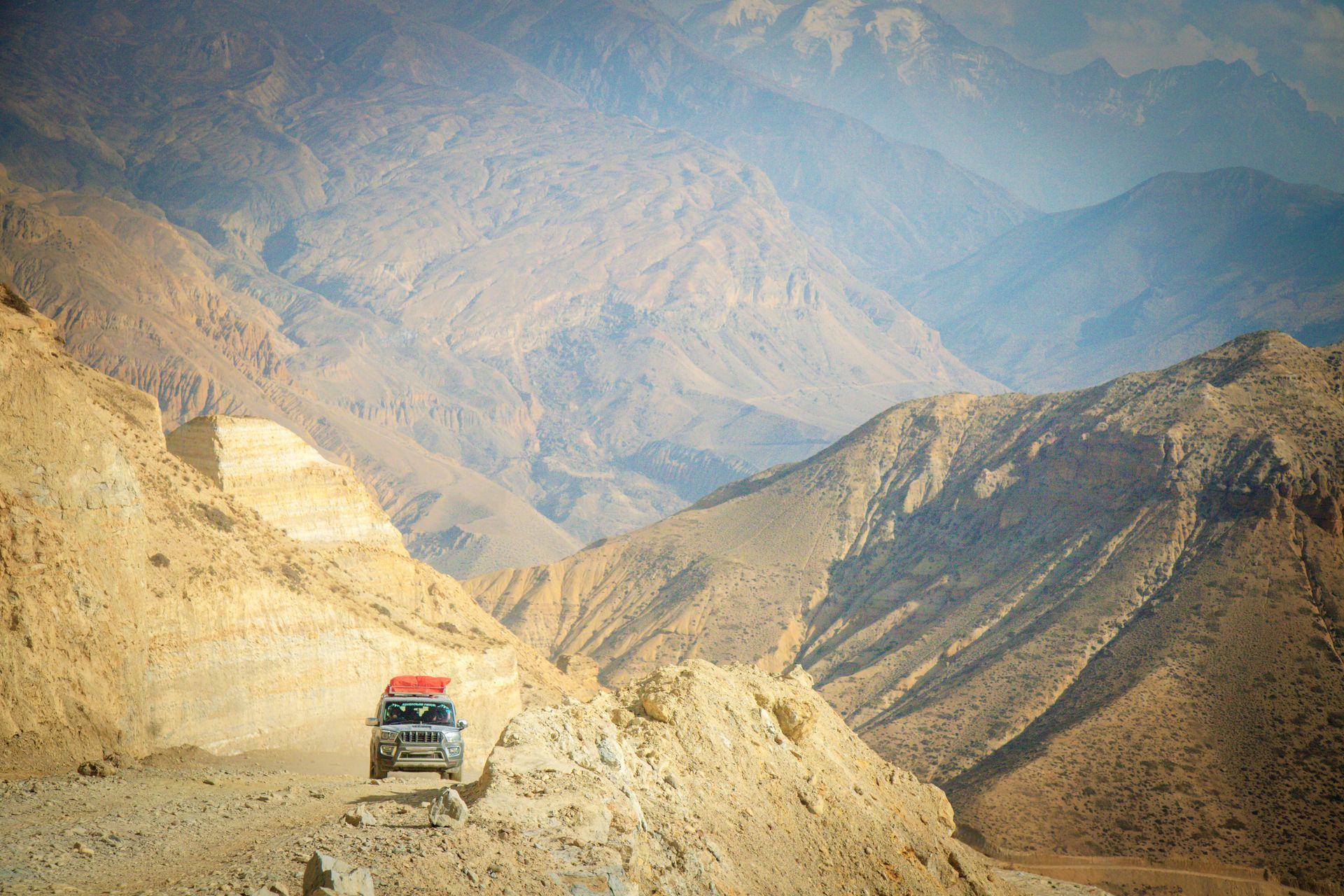
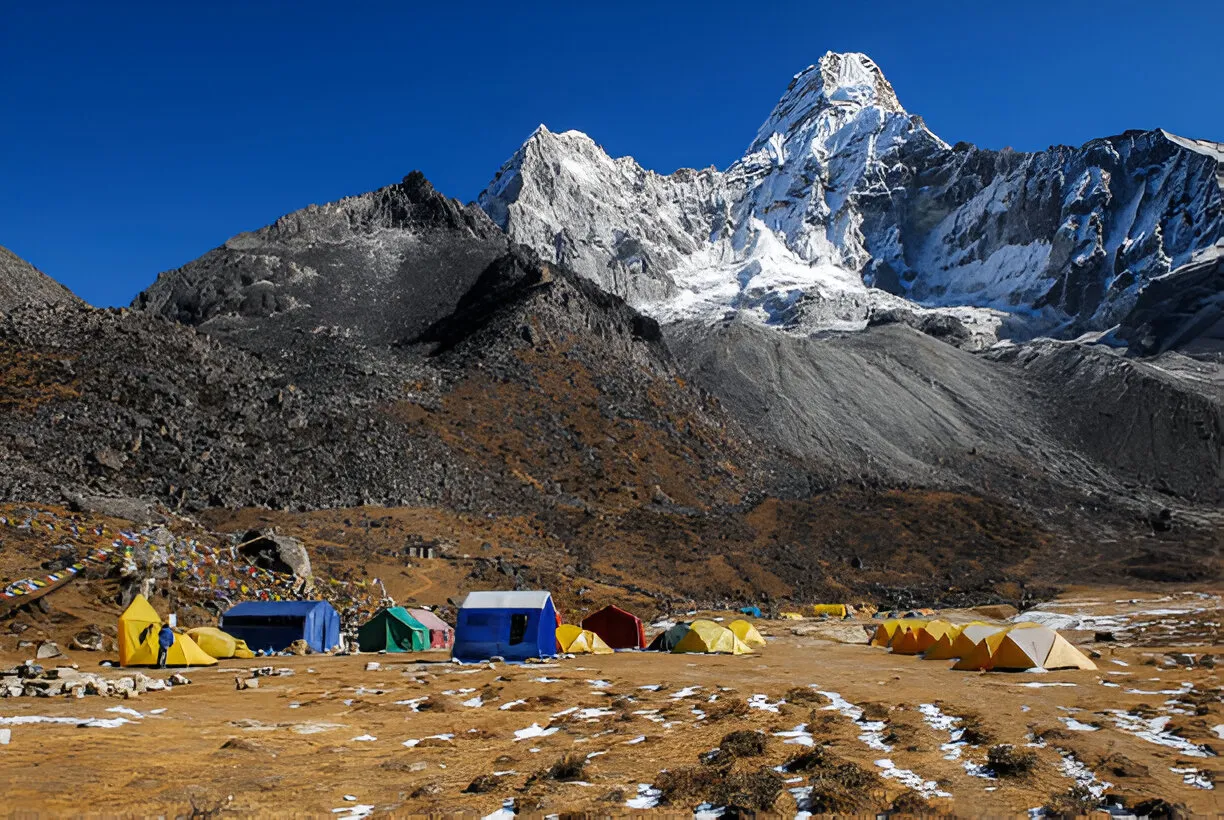
Embark on the Upper Dolpo Trek, a journey into Nepal’s remote regions where ancient Tibetan culture thrives in stark, breathtaking landscapes. Upper Dolpo Trek nepal leads you through one of Nepal’s most secluded areas Dolpo, offering an unparalleled experience of natural beauty and cultural richness. As you traverse high mountain passes and traverse deep valleys, you’ll encounter a land where time has seemingly stood still. The Upper Dolpo trekking journey is not only a physical challenge but also a profound cultural immersion. The trail takes you through arid terrain, past crystal-clear rivers, and beneath towering peaks. Along the way, you’ll visit ancient monasteries like Shey Gompa, a revered spiritual site nestled deep in the mountains, and Saldang Monastery, perched in the largest village of Upper Dolpo. These sacred sites offer a glimpse into the spiritual life that has been preserved for centuries in this remote region. The Upper Dolpo trekking also brings you to Phoksundo Lake, renowned for its stunning turquoise waters and serene surroundings. This natural gem, surrounded by rugged cliffs and snow-capped peaks, is one of the highlights of the journey, offering trekkers a moment of tranquility amidst the demanding trail. Throughout the Upper Dolpo Trek, you’ll engage with the Dolpo-pa people, whose way of life remains largely unchanged by modern influences. Their warm hospitality and unique customs add depth to your adventure, making the Upper Dolpo Trek Nepal not just a journey through extraordinary landscapes, but also a journey through the living history and enduring culture of Nepal. Upper Dolpo Trek DifficultyThe Upper Dolpo Trek is considered a strenuous and remote high-altitude trek, best suited for experienced trekkers with strong physical fitness and previous multi-day trekking experience. The route crosses several challenging passes over 5,000 meters, such as Kang La (5,360 m) and Jeng La (5,110 m), involving long trekking days (6–8 hours) through rugged, uninhabited terrain. Limited infrastructure, extreme weather conditions, and high elevations add to the challenge, making proper acclimatization, endurance, and mental resilience essential. While no technical climbing is required, the trek’s remoteness and altitude demand thorough preparation. Those who take on the journey are rewarded with stunning Himalayan landscapes, Tibetan-influenced culture, and a deep sense of solitude. Upper Dolpo Trek Best Seasons to GoSpring (April to June):This season wil have clear weather with blooming alpine flora.Moderate temperatures and good trail conditions. Autumn (September to October):- Stable climate and excellent visibility of mountains providing you with multipke chances to see breathtaking views.
- Cold nights but ideal trekking temperatures during the day.
- Note: Its best to avoid the monsoon season (July–August) due to landslides and leeches, and winter (November–March) due to snow-covered high passes and extreme cold.
Upper Dolpo Trek Accommodations and MealsAccommodations:Limited teahouses in lower villages like Dunai and Ringmo. Camping is required for most of the trek beyond those points. Trekking agencies provide tents, kitchen equipment, and support crew. Meals:Meals are typically prepared by a trekking cook if camping. Basic Nepali food like dal bhat, potatoes, noodles, and tsampa. Limited availability of packaged or processed food in remote areas. Bring your own snacks such as nuts, energy bars, or dried fruit. What to Bring for Upper Dolpo TrekClothing:Thermal base layers, fleece, down jacket, and waterproof shell. Trekking pants, gloves, warm hat, sun hat, and UV-protection sunglasses. Sturdy, broken-in trekking boots and camp sandals. Gear and Essentials:Sleeping bag rated for -15°C or colder. Water bottles with purification tablets or filter. Headlamp with spare batteries. Trekking poles and a personal first aid kit. Sunscreen, lip balm, toiletries, and quick-dry towel. Altitude Sickness and PreparationRisks:Trek reaches above 5,000 meters, with long exposure to high altitude which may cause altitude sickness. Altitutde sickness symptoms may include headache, nausea, dizziness, fatigue. Prevention:Acclimatize slowly; take regular rest days. Stay hydrated and avoid alcohol or sleeping pills. Consider medication like Diamox if prescribed. Know the signs of AMS, HAPE, and HACE and descend immediately if symptoms worsen. Preparation Tips:Build endurance through cardio and strength training. Do shorter high-altitude treks beforehand if possible. Consult a physician before the trip. Safety and PrecautionsAlways trek with a licensed guide and experienced support crew. Carry a satellite phone or GPS device for emergency communication. Ensure your itinerary allows enough days for acclimatization. Have a comprehensive insurance policy that covers high-altitude rescue. Respect local customs and travel responsibly in restricted zones. Let me know if you want this turned into a downloadable checklist or formatted for your website. Upper Dolpo Trek CostThe Upper Dolpo Trek cost generally includes all essential services such as a licensed trekking guide, porter support, restricted-area and national park permits, permits for remote passes, camping or lodge accommodations, all meals during the trek, and ground transportation to and from the trailhead. Solo trekkers receive personalized attention, while groups benefit from tiered pricing, with per-person rates decreasing as group size increases. We also offer seasonal promotions during off-peak seasons to make this remote and culturally rich journey more accessible. Although our website reflects standard international pricing, you can contact us directly for private‑group quotes, ensuring the most competitive rate without compromising on quality, safety, or service standards for your unforgettable expedition through Nepal’s wild Upper Dolpo region.
Itinerary (Plan)
Arrive in Kathmandu (1,400 m / 4,593 feet), Nepal's vibrant capital, where you'll be warmly welcomed with marigold garlands. After transferring to your hotel, take time to relax and acclimate to the bustling city. Discover vibrant local markets, indulge in traditional Nepali dishes, and delve into Kathmandu's rich cultural tapestry. This initial day is perfect for easing into your journey, setting the stage for the exciting adventures ahead in Eastern Nepal. A representative from Jagadamba Holidays will ensure a smooth and pleasant arrival.
Optional Evening Activity:
If you wish, you can spend your evening experiencing the Pashupatinath Aarti, a captivating religious ceremony held at the Pashupatinath Temple. The Aarti usually begins around 6:00 PM and lasts for approximately an hour. This ceremony is a mesmerizing display of traditional music and rituals, providing a profound insight into Hindu spiritual practices. Please check the exact time for the Aarti on the day of your visit, as it may vary. This option is not included in the standard itinerary but offers a unique opportunity to immerse yourself in local culture.
Begin your day with a guided exploration of Kathmandu’s rich cultural and heritage sites, immersing yourself in the city’s history and spiritual traditions. Visit Pashupatinath Temple, a sacred Hindu site along the Bagmati River, where daily rituals and ceremonies offer a glimpse into Nepalese devotion. Continue to Boudhanath Stupa, one of the largest Buddhist stupas in the world, surrounded by monasteries, prayer wheels, and vibrant Tibetan culture, creating a serene and inspiring atmosphere. In the afternoon, explore the architectural treasures of Patan Durbar Square, a UNESCO World Heritage Site renowned for its Malla-era temples, courtyards, and intricate stone and wood carvings. Highlights include the Krishna Mandir, the Golden Temple, and the terracotta-adorned Mahabouddha Temple. This immersive cultural tour provides a deep understanding of Kathmandu’s artistic and religious heritage. The day concludes with trek preparation and pre-trip briefing at your hotel, organized by the Jagadamba Holidays team. All Dolpo trekking permits and documentation are arranged, and your guide will review the route, safety instructions, equipment tips, and answer any questions. This ensures you are fully prepared and confident before embarking on your high-altitude Dolpo adventure.
After a hearty breakfast at your hotel, Kathmandu Guest House in Thamel, Kathmandu (1,400 m / 4,593 ft), proceed to the domestic airport for your scenic 1-hour flight to Nepalgunj (150 m / 492 ft). As the plane ascends, enjoy stunning aerial views of the Kathmandu Valley, rolling hills, and terraced farmland. On clear days, you may spot snow-capped Himalayan peaks including Langtang, Ganesh Himal, Manaslu, and the majestic Dhaulagiri range, along with the distant Dolpo region mountains, offering an early glimpse of the high-altitude adventure ahead. Upon arrival in Nepalgunj, a vibrant town on the edge of Nepal’s Terai plains, take in its lively markets, bustling streets, and multicultural atmosphere. Known as a gateway to western Nepal, Nepalgunj reflects a blend of Tharu, Nepali, and Muslim cultures, with colorful bazaars and local eateries that provide a taste of the region’s unique lifestyle. Use this leisure time to explore, shop, or sample local delicacies, making it a perfect introduction to the Terai before your trek. In the evening, return to your accommodation for rest and pre-trek preparation. The Jagadamba Holidays team will assist with all trekking permits and arrangements, while your guide provides a pre-trek briefing, ensuring you are fully prepared, informed, and energized for the journey ahead.
After a hearty breakfast at Batika Hotel in Nepalgunj (150 m / 492 ft), proceed to the domestic airport. Begin your journey with a 35-minute flight from Nepalgunj to Juphal Airport (2,475 m / 8,124 ft). The flight provides panoramic aerial views of the Terai plains, mid-hills, and distant Himalayan ranges, including peaks of the Dolpo region. This short flight smoothly transitions you from lowland subtropical terrain to highland landscapes, offering an early orientation of the region’s topography. Upon landing at Juphal, commence the trek to Dunai (2,140 m / 7,020 ft). The route is moderate in difficulty, with gradual ascents and descents along well-marked trails. Hikers should be cautious of rocky sections and minor river crossings. This trek is ideal for acclimatization, allowing travelers to adapt to altitude while observing the local flora, fauna, and settlement patterns. The trek spans approximately 12 km and requires 5–6 hours of walking. During the journey, participants will ascend 180 meters and descend 660 meters, passing through traditional villages, terraced farmland, and forested areas. Cultural and architectural highlights include stone-built houses, prayer flags, and small gompas, reflecting the Tibetan-influenced heritage of the Dolpo region. By the end of the day, you will arrive in Dunai, a key administrative and cultural hub. Travelers can rest, enjoy local hospitality, and prepare for the following days of trekking, having gained their first immersive experience of Dolpo’s stunning landscapes, traditional communities, and high-altitude environment.
After a hearty breakfast at lodge in Dunai, we began our trek to Tarakot at 2,540 m (8,333 ft). The route follows the Thuli Bheri River valley through terraced fields, lush forests, and traditional Dolpo villages. Along the way, we crossed hanging bridges and passed through dramatic gorges, showcasing the raw beauty of Lower Dolpo. As the valley widened, the scenery transformed from fertile farmland into rugged landscapes dotted with mud-brick houses, blending natural charm with cultural richness. Today’s trek covers 17 km and generally takes 6 to 7 hours. During the journey, we ascend approximately 730 metres and descend around 110 metres. The trail follows the riverbanks, crossing the Thuli Bheri River several times before gently climbing a small hill near Tarakot. This stage provides a smooth introduction to trekking in the Dolpo region, combining gradual elevation gain with opportunities to acclimatize to the Himalayan environment. By late afternoon, we reached Tarakot, a historic settlement known for its distinctive architecture, ancient heritage, and traditional lifestyle. As accommodations are limited, we stayed in tented camps, where the support team set up tents and the kitchen staff prepared freshly cooked meals. After a warm dinner under the starry Himalayan sky, we rested and embraced the tranquil atmosphere of the Dolpo wilderness.
After a hearty breakfast at camp in Tarakot, we began our trek to Laina Odar (3,370 m / 11,056 ft) along the winding trails of the Thuli Bheri River. The route meanders through the vibrant fields of the Tichurong Valley, crossing small streams and suspension bridges that connect picturesque villages. We passed through pine and fir forests, terraced farmland, and dramatic gorges that highlight the rugged beauty of the Lower Dolpo region. The journey included a crossing over the Yalankot River, a gradual ascent through shaded forests, and a descent to a checkpoint at the confluence of the Bharbung Khola and Tarap Khola. Following the Tarap Khola northward, the trail led us into the magnificent Tarap Gorge, where steep cliffs and the soothing sound of rushing waters added to the day’s adventure. Today’s trek covers a distance of around 14 km and generally takes 6 to 7 hours of steady walking. Along the way, we ascended approximately 1,040 m and descended about 430 m, making this a moderate but highly rewarding section of the Dolpo trekking route. The path alternated between riverside trails, forested ridges, and terraced slopes. The presence of the ancient Chhedhul Gumba along the route offered cultural insight and moments of rest, while the undulating terrain provided excellent acclimatization. The mix of cultivated valleys, alpine vegetation, and dramatic gorge landscapes made this one of the most diverse days of the Dolpo trek. By late afternoon, we reached Laina Odar, also known as Lahini Odar, a tranquil resting place nestled against rocky cliffs and river valleys. This remote stop offers no lodges, so accommodation is arranged in tented camps, where your support team sets up tents and the kitchen staff prepares warm meals. Surrounded by forests and the constant murmur of the river, the campsite offers a peaceful atmosphere to unwind and recover. Dinner under the Himalayan night sky completed the day, leaving us with both cultural memories and deep connections to the untouched beauty of Dolpo.
After a hearty breakfast at camp in Laina Odar, we began our trek to Nawarpani (also known as Pibuk) at 3,475 m / 11,401 ft. The trail follows the wild and beautiful Tarap Khola Gorge, one of the most dramatic landscapes in Lower Dolpo. The path climbed steeply along the rocky cliffside ledges, with sections carved directly into vertical rock walls, offering thrilling views of the turquoise waters far below. The journey meandered through pine and juniper forests, streams flowing into the Tarap River, and narrow canyons where the roar of the river echoed between towering cliffs. Each turn revealed pristine wilderness and occasional traces of ancient Dolpo settlements, highlighting the blend of raw nature and cultural heritage. Today’s trek covered a distance of 15 km, requiring around 6 to 7 hours of steady walking. Along the way, we ascended 960 m and descended 490 m, making this a moderately challenging but highly rewarding stage of the Dolpo trek. The steep climb to Laina Top tested stamina but rewarded us with sweeping views across the gorge. From there, the undulating trail followed the river northward, alternating between high ridges and riverside tracks. Passing by the historic Chhedhul Gumba, trekkers experienced moments of reflection and cultural depth, while the rugged gorge and rushing river created a constant sense of adventure. By late afternoon, we reached Nawarpani (Pibuk), a remote settlement beside the Tarap Khola. Known for its cave-style kitchens and seasonal shelters, it reflects the resilience of people living in the Dolpo highlands. With no permanent lodges available, our team set up tented camps by the river, where freshly cooked meals were prepared by the kitchen staff. The peaceful riverside atmosphere, framed by dramatic cliffs and the sound of flowing water, created an unforgettable camping experience. After dinner under the star-studded Himalayan sky, we embraced the tranquility of Dolpo’s wilderness and prepared for the adventures ahead.
After a hearty breakfast at camp in Nawarpani, we began our trek to Dho Tarap (3,944 m / 12,940 ft), one of the highest inhabited villages in the Himalayas. The trail followed the Tarap Khola through a narrow gorge, where steep cliffs towered above the river. We crossed suspension bridges several times, alternating between wooded paths and rocky ledges. At Kamattarka, the confluence of the Tarap Chu and a stream from the east, the gorge gradually opened into alpine meadows. Fragrant juniper and wild rose bushes marked our passage above the tree line, while the wider valley revealed the raw and untouched beauty of Dolpo. Today’s journey covered 16 km and took 7 to 8 hours of walking. We ascended 470 m and descended 170 m, making this stage a steady but manageable climb. The route combined riverside sections, forested ridges, and high meadows, with a lunch stop at Langa, a scenic spot overlooking the valley. The gradual elevation gain allowed for acclimatization while providing varied landscapes, from cultivated fields to windswept highlands, ideal for a smooth transition into the upper reaches of the region. By late afternoon, we reached Dho Tarap, a traditional settlement surrounded by irregular stone walls and lined with mud-brick houses. The village is rich in Tibetan culture, where both Nyingma Buddhism and the ancient Bon religion are still practiced. Prayer flags fluttered above monasteries, adding a spiritual charm to the remote setting. With no lodges available, we stayed in tented camps, where the support team prepared dinner. The peaceful evening in Dho Tarap, filled with cultural encounters and the sound of the highland winds, offered both rest and a memorable glimpse into the heart of Dolpo.
After a warm breakfast at camp in Dho Tarap (3,944 m / 12,940 ft), we dedicated the day to acclimatization and cultural exploration. The Tarap Valley opened wide, surrounded by rugged mountains, grazing yaks, and the flutter of prayer flags in the crisp Himalayan air. This picturesque valley is home to communities that practice both Tibetan Buddhism and the ancient Bon religion, giving visitors a unique insight into traditions preserved for centuries. Short acclimatization walks led us through fields, stone-walled villages, and sacred sites, while the serene environment provided a chance to slow down and absorb the authentic atmosphere of Dolpo. Acclimatization at this altitude is essential for safe trekking in the Himalayas. Spending a full day here allowed our bodies to adapt to reduced oxygen levels before tackling higher passes in the coming days. Gentle hikes around the valley followed the principle of “climb high, sleep low,” helping prepare for elevation gains ahead. The day’s slower pace not only aided our physical adjustment but also offered time to connect with the surroundings—listening to the sound of mountain winds, watching herders with their livestock, and engaging with the warm-hearted locals of the valley. During exploration, we visited significant monasteries such as Ribo Bhumpa Monastery, the main Buddhist site in Dho Tarap, and the nearby Bonpo Gompa. We also discovered the Sipchhog Gumba, where ancient Bon practices are still alive. Friendly villagers often shared salted butter tea or traditional barley brew, along with stories of their highland life. By evening, we returned to our tented camp, where the kitchen team prepared a nourishing meal. The day in Dho Tarap provided not only rest and acclimatization but also a meaningful cultural immersion, making it one of the most rewarding pauses on the Upper Dolpo Trek.
After breakfast at camp in Dho Tarap, we began our trek toward Chhoila Phedi (4,800 m / 15,748 ft). The trail passes through the traditional villages of the Tarap Valley, where ancient monasteries, mani walls, and fields of barley reflect the unique culture of the Dolpo-pa people. Yaks graze freely along the slopes, and prayer flags flutter in the wind as the valley narrows into a rugged high-altitude wilderness. The transition from fertile landscapes to barren alpine terrain creates a dramatic contrast along today’s journey. The trek covers a distance of 10.5 km. It typically takes 5 to 6 hours to complete the journey. Along the way, we steadily ascend 730 meters and descend 10 meters, following steep and rocky sections where the thinner air makes the climb more demanding. Facilities are scarce along the route, adding to the sense of remoteness and adventure. This section is physically challenging yet highly rewarding, offering expansive mountain views and untouched wilderness throughout. By late afternoon, we arrive at the campsite of Chhoila Phedi, located beneath the imposing Chhoila Pass (5,051 m / 16,572 ft). The high-altitude camp is surrounded by barren cliffs and open skies, offering a peaceful overnight stay in pristine surroundings. Rest at Chhoila Phedi provides much-needed recovery and preparation for the demanding crossing of Chhoila Pass on the following day.
After a hearty breakfast at camp in Chhoila Phedi, we began our trek over Chhoila Pass (5,051 m / 16,572 ft) toward Thamgaon, also known as Khola Dovan (4,490 m / 14,731 ft). The trail ascends steeply through the barren alpine landscape, offering panoramic views of Dolpo’s rugged high mountains. Trekkers encounter thin air, strong winds, and rocky, uneven terrain as they approach the pass. Along the way, prayer flags flutter across the summit, marking this challenging high-altitude crossing. The dramatic contrast between snow-covered peaks and deep glacial valleys makes the ascent both physically demanding and visually rewarding. The trek covers a distance of 12.5 km and typically takes 6 to 7 hours to complete. Trekkers ascend 240 meters to reach the pass and descend 710 meters toward Thamgaon. The terrain is rocky, steep, and exposed in sections, requiring careful pacing and concentration, especially at high altitude where oxygen levels are lower. The combination of steep inclines, loose scree, and unpredictable weather makes this a demanding but unforgettable section of the Dolpo trek. Limited facilities along the route further highlight the remoteness and adventurous nature of this high-altitude journey. By late afternoon, we reach Thamgaon, also known as Khola Dovan (4,490 m / 14,731 ft), where the campsite is nestled amid sweeping mountain vistas and barren cliffs, providing a secure and serene setting for an overnight stay. Rest here allows trekkers to recover, acclimatize, and prepare for the next stage of the journey deeper into the Dolpo region, having successfully crossed one of the most challenging high passes of the trek.
After a hearty breakfast at camp in Thamgaon, we began our trek toward Tinjegaon (4,110 m / 13,517 ft). The trail gradually descends through barren alpine valleys, passing rocky ridges, glacial streams, and sparse high-altitude vegetation. The surrounding landscape showcases the rugged beauty of Upper Dolpa’s high mountains, with snow-capped peaks and distant ridgelines visible in every direction. Along the route, trekkers may encounter nomadic shepherds and their yak herds, offering insight into the traditional lifestyle of the Dolpo-pa people. The serene wilderness and vast open skies make this section both visually stunning and spiritually refreshing. The trek covers a distance of 13 km and typically takes 5 to 6 hours to complete. Trekkers ascend 70 meters and descend 240 meters along the route. The terrain is uneven, rocky, and exposed in sections, requiring careful footing and steady pacing, particularly at high altitude, where oxygen levels are lower. The combination of long alpine valleys, rocky trails, and limited facilities underscores the remoteness and adventurous nature of this Upper Dolpa high-altitude trek, providing a physically challenging yet immensely rewarding experience for trekkers seeking an authentic Himalayan adventure. By late afternoon, we arrive at Tinjegaon (4,110 m / 13,517 ft). The campsite is nestled amid expansive mountain vistas and isolated cliffs, offering a secure and peaceful environment for an overnight stay. Rest here allows trekkers to recover, acclimatize, and prepare for the next stage of the journey deeper into the Upper Dolpa region, while enjoying the stunning scenery, tranquility, and high-altitude adventure that define this remote Himalayan trek.
After a hearty breakfast at camp in Tinjegaon, we began our trek toward Shimengaon (3,850 m / 12,631 ft). The trail gradually descends through the rugged valleys of Upper Dolpa, transitioning from high-altitude arid terrain to more temperate, lush alpine valleys. Along the way, trekkers pass rocky ridges, terraced fields, glacial streams, and sparse vegetation, following riverbanks and crossing small suspension bridges. Panoramic views of snow-capped peaks, rolling hills, and deep valleys dominate the horizon. Nomadic shepherds and their yak herds provide a glimpse into the traditional lifestyle of the Dolpo-pa people, adding cultural richness to this scenic high-altitude journey. The trek covers a distance of 14.5 km and typically takes 5 to 6 hours to complete. Trekkers descend 340 meters and encounter minor ascents of 70 meters along rocky, uneven trails, requiring careful footing and steady pacing, particularly at high altitude. The combination of varied terrain, alpine streams, and limited facilities emphasizes the remoteness and adventurous nature of this Upper Dolpa trek. This section is physically manageable yet offers a memorable experience of isolation, natural beauty, and Himalayan wilderness. By late afternoon, we arrive at Shimengaon (3,850 m / 12,631 ft). The village is nestled amid expansive mountain vistas, rolling hills, and isolated cliffs, providing a secure and tranquil campsite for an overnight stay. Rest here allows trekkers to recover, acclimatize, and prepare for the next stage of the journey deeper into the Upper Dolpa region, enjoying the scenic beauty, high-altitude adventure, and cultural charm that make this section of the trek unforgettable.
After a hearty breakfast at camp in Shimen Gaon, we began our trek over Shimen La (4,260 m / 13,976 ft), also known as Nangla Pass, toward Khoma Gaon (4,060 m / 13,320 ft). The trail ascends steadily through rugged alpine terrain, passing rocky ridges, high-altitude valleys, and glacial streams. Trekkers experience breathtaking panoramic views of Upper Dolpa’s snow-capped peaks, and the dramatic contrast between the barren high pass and the greener valleys below highlights the diversity of the region. Along the route, glimpses of nomadic shepherds, yak herds, and traditional Dolpo-pa settlements add a rich cultural dimension to the trek. The section offers a perfect blend of adventure, scenic beauty, and cultural immersion. The trek covers a distance of 9 km and typically takes 4 to 5 hours to complete. Trekkers ascend 570 meters to reach Shimen La and descend 260 meters toward Khoma Gaon. The terrain is rocky, steep, and uneven in sections, requiring careful pacing, particularly at high altitude, where oxygen levels are lower. Cold winds, exposed ridges, and variable weather add to the challenge, while limited facilities along the route underscore the remoteness and adventurous nature of this high-altitude journey through the Upper Dolpa region. By late afternoon, we arrive at Khoma Gaon (4,060 m / 13,320 ft). The village is nestled amid sweeping mountain vistas, terraced fields, and serene alpine cliffs, offering a secure and tranquil setting for an overnight stay. Rest here allows trekkers to recover, acclimatize, and prepare for the next stage of the high-altitude adventure through Upper Dolpa, while enjoying the stunning landscapes, remote Himalayan wilderness, and rich cultural experiences that make this section of the trek unforgettable.
After a hearty breakfast at camp in Khoma Gaon, we began our trek over Khoma La (4,460 m / 14,633 ft) toward Saldang (3,770 m / 12,369 ft), the cultural heart of Upper Dolpa. The trail ascends steadily through rocky moraines, high-altitude valleys, and exposed alpine ridges, demanding careful pacing and resilience. Trekkers are rewarded with panoramic views of Upper Dolpa’s snow-dusted peaks and vast uninhabited valleys. Along the route, sightings of yak herds, blue sheep, ancient chortens, Namdo Gompa, and Dechan Lapran Gompa, as well as traditional Dolpo-pa settlements, enrich the experience, combining adventure, scenic beauty, and cultural immersion. The trek covers a distance of 8.5 km and typically takes 5 to 6 hours to complete. Trekkers ascend 460 meters to reach Khoma La (4,460 m / 14,633 ft) and descend 740 meters toward Saldang (3,770 m / 12,369 ft) via Namdo Gompa and Dechan Lapran Gompa. The terrain is steep, rocky, and uneven, with loose scree in sections requiring careful footing. High altitude, exposed ridges, and rapidly changing weather make pacing and proper acclimatization essential. Limited facilities along the route emphasize the remoteness and adventurous nature of this high-altitude journey through Upper Dolpa. By late afternoon, we arrive at Saldang (3,770 m / 12,369 ft), the largest and most vibrant village in Upper Dolpa. Perched along a hillside above the Nangchu River (Nagon Khola), Saldang features whitewashed stone houses, terraced fields, and an imposing monastery overseeing the community. The descent into this lush, irrigated valley offers a welcome contrast to the harshness of the pass. The evening provides an opportunity to explore ancient alleyways, interact with the friendly Dolpo-pa people, and absorb the rich cultural atmosphere. Rest here allows trekkers to recover, acclimatize, and prepare for the next stage of the high-altitude adventure, while enjoying the stunning Himalayan landscapes and remote wilderness that make this section unforgettable.
After a hearty breakfast at camp in Saldang, today is primarily a rest and acclimatization day, allowing trekkers to recover from the demanding journey to Upper Dolpa. The day offers a flexible approach depending on energy levels and interest, combining cultural immersion with optional high-altitude adventure. For those seeking active exploration, there is an optional day hike to Yanjer Gompa or (3,800 m / 12,467 ft), one of the most remote and scenic monasteries in Upper Dolpa. The trail ascends through rugged high-altitude valleys, rocky ridges, and barren alpine landscapes, providing breathtaking views of snow-capped peaks and glacial streams. The round-trip hike covers approximately 25 km and typically takes 10–12 hours to complete. Along the route, trekkers experience a total ascent of 750 meters and a descent of 750 meters, navigating varied terrain that demands endurance and careful pacing. The terrain is steep, rocky, and exposed in sections, requiring careful pacing, endurance, and high-altitude awareness. Reaching Yanjer Gompa rewards trekkers with stunning panoramic vistas and a profound glimpse into the spiritual and cultural heritage of the Dolpo-pa people. For those preferring a gentler alternative, the day can be spent on a cultural walk to the nearby villages of Tiling, Karang, and Kigaon, descending slightly through fertile terraced fields, traditional homesteads, ancient chortens, and irrigation channels. This route offers a leisurely pace, perfect for active recovery while providing an immersive cultural experience of Upper Dolpa village life. Trekkers can return to Saldang at any point, exploring the villages and interacting with local communities without the physical strain of a high-altitude hike. By late afternoon, all trekkers reconvene at Saldang(3,770 m / 12,369 ft). This flexible day of rest, cultural discovery, or high-altitude adventure ensures proper acclimatization, rejuvenation, and preparation for the next stage of the Upper Dolpa trek, while offering unforgettable views, cultural insights, and Himalayan serenity.
After a hearty breakfast at camp in Saldang, begin your day with an immersive exploration of the largest village in Upper Dolpa, renowned for its rich Tibetan heritage, traditional architecture, and vibrant local culture. Wander through narrow alleys lined with stone houses, visit ancient monasteries, and witness the daily life of the Dolpo-pa people, including traditional crafts and rituals. The village provides a unique window into remote Himalayan life, with prayer flags fluttering, mani walls along the trails, and glimpses of yak herding and terraced farming. This cultural immersion sets the tone for your trek, connecting you to the landscapes you are about to traverse. Once ready, embark on your trek to Namgung (4,360 m / 14,305 ft) along a steadily ascending trail that transitions from cultivated fields to rugged alpine terrain. The trek covers approximately 7.5 km and typically takes 3 to 4 hours, with an ascent of 600 meters and a descent of 160 meters. Trekkers are rewarded with panoramic views of snow-capped peaks, deep valleys, glacial streams, and sweeping alpine landscapes. Rolling hills, terraced fields, and scattered high-altitude hamlets punctuate the route, offering a sense of remoteness and human adaptation to this harsh environment. The trail is uneven and rocky in sections, requiring careful footing and steady pacing, while limited facilities emphasize the adventurous and exclusive nature of this high-altitude journey. By late afternoon, arrive at Namgung, a peaceful village nestled at the foot of majestic mountains, surrounded by panoramic vistas of the Upper Dolpa region. The campsite provides a secure and serene environment, ideal for rest, acclimatization, and reflection after the day’s trek. Namgung also offers opportunities to observe local life, from stone-built homesteads to small orchards and grazing livestock, adding a rich cultural dimension to the high-altitude adventure. This section of the trek perfectly combines challenging trekking, breathtaking Himalayan landscapes, and deep cultural immersion, leaving trekkers refreshed, inspired, and prepared for the next stage of the Upper Dolpa journey.
After a hearty breakfast at our camp in Namgung (4,360 m / 14,305 ft), we take a final opportunity to explore the village before departing. Wandering through its narrow lanes, we pass traditional flat-roofed houses, terraced fields, and ancient chortens, observing the daily rhythms of life in this remote Himalayan settlement. The morning light illuminates the intricate architecture and fluttering prayer flags, offering an ideal moment to photograph the authentic Dolpo-pa culture and absorb the unique atmosphere of one of Upper Dolpo’s most significant villages. After exploration of Namgung, we begin the trek toward Shey Gompa (4,343 m / 14,245 ft), one of the most epic challenges of the Upper Dolpo adventure, including the formidable Sela Pass (5,095 m / 16,715 ft). The trail ascends steadily, climbing approximately 680 metres over rocky, high-altitude terrain. Trekkers navigate exposed ridges, windswept slopes, and thin air, requiring careful pacing and endurance. Reaching the summit of Sela Pass is a monumental achievement, rewarded with breathtaking panoramic views of the rugged Dolpo landscapes and distant Himalayan peaks, making this one of the most memorable sections of the trek. From the summit, the trail descends around 760 metres into the remote valley cradling Shey Gompa. The scenery transforms dramatically, from barren, mineral-rich slopes to eroded cliffs, glacial streams, and high-altitude pastures. Along the way, trekkers can spot Himalayan wildlife, including blue sheep and snowcocks, while panoramic views of snow-capped peaks, deep valleys, and scattered high-altitude hamlets emphasize the raw, untouched beauty of Upper Dolpo. The path is uneven and rocky, requiring steady footing, while the descent tests endurance and heightens the anticipation of reaching the sacred gompa. By late afternoon, we arrive at Shey Gompa (4,343 m / 14,245 ft), perched in a tranquil valley and surrounded by sweeping alpine landscapes. The ancient monastery complex, home to the revered Crystal Mountain, represents the cultural and spiritual heart of Dolpo. Here, trekkers can experience Tibetan Buddhist heritage, enjoy a sense of peace and reflection, and immerse themselves in the serene environment. Our tented camp provides a warm welcome, allowing time to rest, explore the gompa surroundings, and reflect on a day spent crossing one of the most dramatic and challenging high-altitude sections of the Upper Dolpo trek.
After a morning exploration of Shey Gompa, immerse yourself in the ancient monasteries, sacred rituals, and Tibetan Buddhist traditions of this spiritual hub. The gompa’s intricate murals, prayer halls, and tranquil surroundings offer a profound cultural experience, allowing trekkers to connect deeply with the heritage of the Dolpo-pa people before continuing their journey. Observing daily monastic life and spiritual practices in this remote Himalayan community enriches the trek with cultural and spiritual context, adding depth to your Upper Dolpa adventure. In the afternoon, begin your trek toward Nagdalo La Phedi (4,900 m / 16,076 ft), also known as Tsakang, following a high-altitude trail through rugged alpine terrain. This trek extends over 5.5 km and typically requires 3 to 4 hours to complete, depending on pace and conditions. Along the route, trekkers ascend 570 meters and descend 10 meters, navigating uneven, rocky sections that demand careful footing and steady pacing. Panoramic views of snow-capped peaks, glacial valleys, and alpine pastures accompany the journey, while the combination of cultural exploration and scenic trekking makes this segment both physically rewarding and spiritually enriching. By late afternoon, arrive at Nagdalo La Phedi (4,900 m / 16,076 ft), a high-altitude campsite set amidst dramatic mountain vistas and open skies. The serene environment provides an ideal setting for rest, acclimatization, and reflection, preparing trekkers for the continued journey deeper into Upper Dolpa. This segment seamlessly blends high-altitude adventure, breathtaking Dolpo landscapes, and cultural immersion, making it an unforgettable day on the Dolpo Circuit.
After a hearty breakfast at camp in Nagdalo La Phedi, we began our trek toward Phoksundo Khola Camp (3,750 m / 12,303 ft), crossing the formidable Nagdalo La Pass (5,360 m / 17,585 ft), also known locally as Kang La Pass. The early morning ascent is steep and sustained, navigating rugged moraines, exposed ridges, and rocky alpine slopes. Thin air, strong winds, and the high-altitude environment require careful pacing and steady energy management. Reaching the summit is a major achievement, rewarded with panoramic views of the Dhaulagiri massif, surrounding Dolpo peaks, and deep glacial valleys, highlighting the remote and dramatic landscapes of Upper Dolpo. This 9.25-kilometer traverse is one of the most challenging days on the Dolpo Circuit, typically taking 6 to 7 hours to complete. Trekkers face a strenuous ascent of 420 meters to the summit, followed by a steep descent of 1,580 meters toward Phoksundo Khola Camp. The significant elevation changes over rugged, rocky terrain make this trek a true test of endurance, acclimatization, and high-altitude trekking skills. Limited facilities along the route emphasize the remoteness and self-sufficient nature of this journey, while alpine meadows, sweeping mountain vistas, and glacial streams reward the effort with unforgettable scenery. By late afternoon, we arrive at Phoksundo Khola Camp (3,750 m / 12,303 ft), nestled beside the turquoise waters of the Phoksundo River. The descent brings relief and a welcome drop in altitude. Surrounded by towering peaks, alpine meadows, and the tranquil sounds of flowing water, the campsite provides an ideal setting for rest, acclimatization, and reflection. This high-altitude segment perfectly blends adventure trekking, breathtaking Dolpo landscapes, and cultural immersion, marking a memorable and triumphant day on the Upper Dolpo journey.
After a hearty breakfast at camp in Phoksundo Khola, begin your final trek toward Phoksundo Lake (3,640 m / 11,942 ft), one of the most scenic and celebrated landmarks in Upper Dolpa. The trail gradually descends through alpine meadows, glacial streams, and high-altitude pastures, offering panoramic views of the surrounding Dolpo peaks and pristine Himalayan landscapes. Along the way, trekkers may encounter grazing yaks, traditional Dolpo-pa settlements, and a variety of high-altitude flora, enriching the journey with both cultural and natural insights. The trek spans approximately 15 km, typically taking 6–7 hours to complete. Along the route, trekkers face a challenging ascent of 600 meters to a minor summit, followed by a steep descent of 730 meters toward Phoksundo Lake. The rocky, uneven terrain demands careful footing, while the breathtaking vistas and gradual descent provide a rewarding and serene trekking experience. The turquoise waters of Phoksundo Lake, framed by towering mountains, offer stunning photo opportunities and a perfect setting to reflect on the achievements of your high-altitude adventure. Upon arrival at Phoksundo Lake, immerse yourself in the tranquility and pristine beauty of this remarkable destination. The serene environment, crystal-clear waters, and surrounding alpine scenery create an ideal atmosphere for rest, reflection, and cultural appreciation. This final segment of the trek perfectly combines adventure trekking, awe-inspiring Dolpo landscapes, and the natural splendor of Upper Dolpa, leaving trekkers with unforgettable memories of the Dolpo Circuit and a profound sense of accomplishment.
After a leisurely breakfast at your lodge in Ringmo (3,640 m / 11,811 ft), spend the day exploring the spectacular Phoksundo Lake. Renowned for its vivid turquoise waters, the lake sits at 3,611 m (11,849 ft) within the pristine Shey-Phoksundo National Park. Its glacial origins and mineral-rich inflows create a striking contrast against the rugged mountains and snow-capped peaks, making it one of Nepal’s most visually stunning and ecologically important lakes. The surrounding area is home to rare Himalayan wildlife, including snow leopards, Himalayan tahr, and diverse alpine flora. Visit the nearby Ringmo Monastery, perched above the lake, and gain insights into the region’s Tibetan Buddhist traditions. The monastery’s colorful architecture, prayer flags, and serene ambience offer a glimpse into the spiritual life of local communities. Walking around Ringmo village, observe traditional stone houses and interact with villagers to experience authentic Dolpo culture. The day provides both natural beauty and cultural immersion in a tranquil highland setting. Spend the afternoon relaxing by the lake or strolling along its shoreline, enjoying panoramic views of cliffs and forests. This leisure day allows for photography, reflection, and full appreciation of Phoksundo Lake’s unique landscapes and spiritual significance. Ringmo offers an ideal base to soak in the serenity of Dolpo before continuing your high-altitude trek toward the next destination.
After a hearty breakfast at Ringmo (3,640 m / 11,811 ft), set off on the return trek toward Chhepka (2,720 m / 8,924 ft). The trail descends through forested valleys, rocky cliffs, and alpine meadows, passing traditional Dolpo villages and terraced farmland. Along the way, observe Himalayan monals, musk deer, and local bird species, while streams and forested slopes punctuate the journey. Panoramic views of the surrounding highlands and distant snow-capped peaks provide a visual feast, immersing you in the pristine beauty of Dolpo. The trek covers approximately 19.5 km, typically taking 8–9 hours to complete. Throughout the day, you will ascend 240 meters and descend 1,200 meters, offering a moderately challenging route with rocky paths, river crossings, and forest trails. This stage provides excellent acclimatization while giving a full exposure to Dolpo’s alpine flora, Tibetan-influenced architecture, and remote cultural settlements. By late afternoon, arrive in Chhepka, where local guesthouses offer comfort and rest after a long day. Take in the stunning highland scenery, interact with villagers, and reflect on the trek through Dolpo’s untouched landscapes and traditional settlements. This day perfectly combines adventure, cultural immersion, and scenic trekking, preparing you for the next stage of your highland journey.
After a hearty breakfast at Chhepka (2,838 m / 9,301 ft), begin your descent toward Juphal (2,475 m / 8,124 ft). The trail meanders through lush pine and juniper forests, terraced fields, and alpine meadows, offering sweeping panoramic views of the Dolpo highlands. Along the way, watch for Himalayan wildlife, including musk deer, Himalayan monals, and rare alpine birds. Streams, rocky paths, and occasional ridges enrich the trek, providing a varied and immersive high-altitude trekking experience. The trek spans approximately 18 km, taking 7–8 hours of steady walking. During the day, you will descend 740 meters and ascend 490 meters, making the route moderately challenging yet ideal for gradual acclimatization. The path passes through traditional Dolpo villages, features Tibetan-influenced stone architecture, and traverses highland pastures, offering an authentic glimpse into the remote Dolpo culture, flora, and fauna. By late afternoon, you will reach Juphal, a key gateway settlement for Dolpo trekking. Settle into a local guesthouse, enjoy the spectacular mountain vistas, and interact with villagers to learn about their traditional lifestyle and culture. This stage of the trek perfectly combines adventure, scenic landscapes, and cultural immersion, providing a memorable conclusion to the Dolpo highland journey before onward travel or domestic flights.
Begin your day with a scenic 35-minute flight from Juphal Airport (2,475 m / 8,124 ft) to Nepalgunj (150 m / 492 ft). During this short flight, enjoy panoramic views of the Dolpo mountains, highland valleys, and terraced fields as the plane descends from rugged highlands into the lush Terai plains. The aerial perspective offers a final glimpse of the remote landscapes and settlements you trekked through over the past days. Upon arrival in Nepalgunj, you will transfer to the domestic terminal for your 1-hour flight to Kathmandu (1,400 m / 4,593 ft). From the air, admire the fertile lowlands, river systems, and distant Himalayan peaks, providing a striking contrast to the high-altitude terrains of Dolpo. This flight marks a smooth transition back to central Nepal while giving you a moment to reflect on your trekking achievements. Upon reaching Kathmandu, you will be transferred to your hotel for relaxation. The day concludes your Phoksundo Lake and Dolpo trekking adventure, allowing time for rest, reflection, and light exploration of Kathmandu’s cultural and historic sites, providing a meaningful end to your high-altitude journey.
This contingency day in Kathmandu is built into your trekking itinerary as a safeguard against possible flight delays from Juphal, which are common due to unpredictable Himalayan weather. Including this buffer day provides flexibility, allowing trekkers to manage unforeseen changes without stress and ensuring a smooth journey after trekking in Nepal’s remote regions. By planning extra time, you gain peace of mind and avoid disruption to your international schedule. If flights operate as scheduled, the buffer day in Kathmandu becomes an excellent chance to unwind after your trek or explore the cultural treasures of the Kathmandu Valley, a UNESCO World Heritage Site. Highlights include Kathmandu Durbar Square, with its palaces, temples, and the Kumari Ghar (home of the living goddess), Swayambhunath Stupa overlooking the city, the sacred Boudhanath Stupa, and Pashupatinath Temple along the Bagmati River. Each site offers unique insight into Nepal’s spiritual and historical heritage. For a lighter experience, you may stroll through the vibrant streets of Thamel, relax at a spa, or browse the local bazaars for souvenirs. This contingency buffer day not only protects your itinerary from delays but also enriches your Himalayan adventure with options for Kathmandu exploration, cultural tours, or relaxation. Whether adjusting travel schedules or discovering Nepal’s heritage, the day ensures your trek ends on a balanced and memorable note.
Concluding Your Journey in Nepal
As your remarkable journey through the Himalayas comes to an end, take a moment to reflect on the awe-inspiring natural beauty, rich cultural heritage, and memorable experiences that have defined your time in Nepal. From the majestic mountain landscapes to the warm hospitality of the local communities, every moment has contributed to an unforgettable adventure.
Airport Transfer by Jagadamba Holidays
To ensure a smooth and timely departure, an official representative from Jagadamba Holidays will collect you from your hotel 3.5 hours prior to your scheduled flight departure. Our team is committed to providing a reliable and comfortable transfer service to Tribhuvan International Airport, allowing you to conclude your journey with peace of mind.
We sincerely appreciate your trust in Jagadamba Holidays and hope to have the pleasure of serving you again on your future journeys.
Group Size & Pricing
| Group Size (Pax) |
2 - 3 |
4 - 5 |
6 - 7 |
8 - 9 |
10 - 12 |
13 - 16 |
17 - 20 |
21 - 24 |
25 - 32 |
| Cost Per Person |
$6,399 |
$6,159 |
$6,039 |
$5,919 |
$5,799 |
$5,679 |
$5,559 |
$5,439 |
$5,319 |
Cost Include
- All transfers within Nepal are included as per itinerary
- Any domestic flight of Nepal as per trekking itinerary
- Trekking accommodation (hotel, lodge and/or tent) as per itinerary
- Small shared room with shared bathroom during trek in Nepal
- In Kathmandu and/or Pokhara: Stay at ***Hotel with breakfast
- Luggage for porters during the trek (12.5 kg/person)
- 3 meals (Breakfast, Lunch and Dinner) during the trek
- Unlimited tea or coffee for breakfast during the trek
- An English speaking guide (trekking/tour) as per Itinerary
- Travel insurance for trekking staff (guides and porters)
- All expenses of trekking staff(s) during trekking
- Conservation/National park entry fees
- Any special tour/trekking/climbing permits
- Sightseeing / Wildlife tours if included in the itinerary
- Farewell dinner in Kathmandu before returning home
Cost Exclude
- Single room/single tent surcharge (on request)
- Round trip/one way international flight ticket to Nepal.
- Tourist visa for Nepal (30-50 $, depending on length of stay)
- Personal Insurance (covers: Trip/flight cancellation, helicopter rescue)
- Meals (lunch, dinner) at hotels in Kathmandu, Pokhara and other cities
- Gratuity for trekking staff (recommended: 9€ /10$ per traveler per day)
- Drinks (soft, hot or mineral/boiled water) during the lodge trek
- Any personal trekking and/climbing equipment for trekking in Nepal
- Hotel expenses in case of early return from trekking for any reason
- Costs due to flight cancellations & extra porters/horses during the trek
- Any additional service and KTM – Lukla helicopter shuttle flight cost
- Additional costs incurred due to any reason beyond Jagdamba’s control
- More evidence about pandemics like COVID-19 if needed in the future.
- Personal expenses during the trek (phone, wifi, shower, charging etc.)
- Other costs and things that are not mentioned in the service inclusion
|




 Trip Overview
 Travel Itinerary
 Cost Includes
 Cost Excludes
 Fixed Departure
 Route Map

 Freqeuntly Asked Questions
 Reviews And Rating