BHUTAN DRUK PATH TREK – A SPIRITUAL & CULTURAL JOURNEY
US$4,500.00
/pp
-
14 Days
-
Bhutan
-
Spring/Autumn
-
Trekking
-
4,100 Meters
-
Moderate
-
Car / Plane
-
02-16 People
-
JH#491
 Overviews
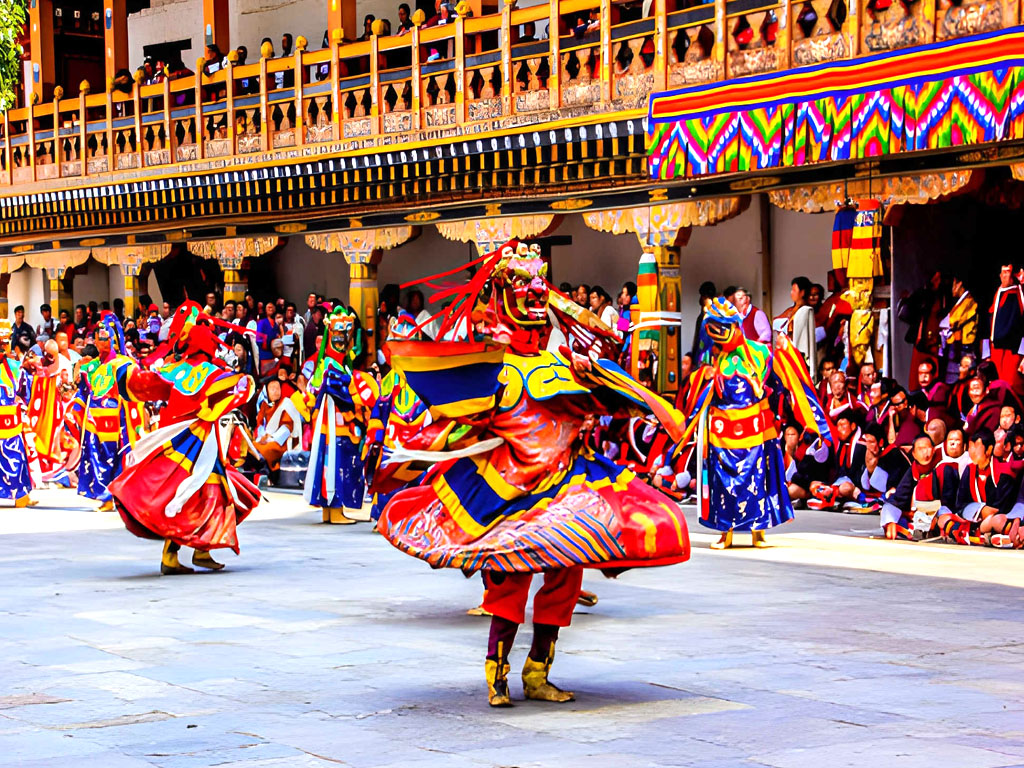
This programme, titled Bhutan Druk Path Trek – A Spiritual and Cultural Journey, centres on multi-day Himalayan trekking combined with visits to monasteries, cultural landmarks, and landscapes shaped by Bhutan’s Buddhist heritage. The journey begins with a meaningful cultural and spiritual introduction in Kathmandu, where sacred temples and pilgrimage sites offer insight into Nepal’s enduring religious heritage. From here, the itinerary continues into Bhutan, combining heritage exploration with scenic high-altitude trekking through pristine Himalayan landscapes. Designed for travellers seeking depth, authenticity, and balance, this journey creates an immersive experience across two of the world’s most spiritually rich regions. The experience starts in Kathmandu, Nepal’s historic capital, situated at approximately 1,400 metres above sea level. After arrival, guests receive a traditional welcome before transferring to the hotel. Kathmandu’s atmosphere—shaped by centuries of Hindu and Buddhist coexistence—offers a gentle introduction to the spiritual themes that define the journey ahead. A full day is dedicated to exploring the Kathmandu Valley’s most revered sacred landmarks. At Pashupatinath Temple, Nepal’s holiest Hindu shrine, travellers witness age-old rituals performed along the banks of the Bagmati River. The experience continues at Boudhanath Stupa, one of the world’s largest Buddhist monuments, where prayer wheels line the circular walkway beneath prayer flags. The day concludes at Swayambhunath, perched above the valley and offering both spiritual insight and panoramic views of the city below. Together, these sites provide a powerful introduction to Nepal’s sacred heritage. From Nepal, the journey transitions into Bhutan with a spectacular Himalayan flight to Paro, widely regarded as one of the world’s most scenic mountain approaches. Snow-covered peaks line the flight path before descending into the Paro Valley. A scenic drive leads onward to Thimphu, Bhutan’s capital and cultural heart, where traditional values continue to guide daily life. In Thimphu, visits are made to key cultural and religious sites that illustrate Bhutan’s long-established Buddhist traditions. Monasteries, traditional architecture, and local institutions reveal how spirituality shapes governance, education, and community life. Leaving the capital, the route winds through forested valleys and mountain passes toward Punakha, the former royal capital of Bhutan, known for its fertile landscape and historic dzong set at the confluence of two rivers. From Punakha, the journey continues eastward across dramatic Himalayan terrain to Trongsa, located at approximately 2,100 metres. Trongsa Dzong, the largest fortress in Bhutan and ancestral home of the royal family, provides valuable insight into the country’s historical unification and spiritual leadership. After exploring the region, the route returns to Thimphu, preparing for the trekking phase of the journey. The adventure then shifts into the Druk Path Trek, one of Bhutan’s most scenic and culturally significant trekking routes. The trek begins with an ascent to Phajoding Monastery, offering expansive views across the Thimphu Valley. Over the following days, the trail passes through pine forests, open ridgelines, and alpine meadows, leading to high-altitude lakes such as Simkota Tsho and Jimilang Tsho. These lakes are deeply rooted in Bhutanese folklore and spiritual belief, and their tranquil surroundings create a powerful sense of solitude and reflection. Camping nights are spent in peaceful alpine settings, allowing travellers to experience Bhutan’s pristine wilderness far from roads and settlements. The trek continues toward Jangchulaktha, before descending toward the Paro Valley via historic trails near Jeli Dzong. The pace of the trek is carefully managed to support acclimatisation while allowing time for photography, quiet contemplation, and appreciation of the Himalayan landscape. A defining highlight of the journey is the hike to Tiger’s Nest Monastery (Taktsang), Bhutan’s most iconic spiritual site. Dramatically perched on a cliff face high above the Paro Valley, this sacred monastery is a place of pilgrimage and meditation. Reaching it on foot offers a profound sense of achievement and spiritual connection, making it a fitting culmination to the trekking experience. The journey concludes with a scenic flight back to Kathmandu, followed by a traditional rickshaw ride through Kathmandu Durbar Square, where ancient temples, historic courtyards, and daily life create a vibrant farewell to Nepal. A final airport transfer includes traditional blessings and warm goodbyes for a safe onward journey. The Bhutan Druk Path Trek – A Spiritual and Cultural Journey brings a meaningful conclusion to a Himalayan trekking experience that connects Nepal’s sacred traditions with Bhutan’s pristine mountain landscapes. Carefully crafted, this journey is ideal for travellers seeking a balanced blend of culture, spirituality, and high-altitude trekking within a single, well-designed itinerary.
Itinerary (Plan)
Kathmandu, the capital of Nepal and widely known as the Temple City, marks the beginning of your Nepal–Bhutan journey and serves as a key gateway to the Himalayan region. Situated at an elevation of approximately 1,400 metres (4,593 feet), the city offers a rich blend of ancient heritage, living traditions, and vibrant urban life. Upon arrival at Tribhuvan International Airport, you will be warmly welcomed in the arrival hall by an airport representative from Jagadamba Holidays, your local travel partner for Nepal and Bhutan. A traditional marigold flower garland welcome will be offered upon arrival, symbolising hospitality and good wishes. The representative will assist with arrival formalities and escort you to your private vehicle for transfer to the hotel. Luggage assistance will be provided on arrival. Early check-in is subject to availability; if rooms are not immediately ready, your luggage will be securely stored at the hotel. Optional Bonus Welcome ExperienceThe remainder of the day is kept relaxed and flexible to allow time for rest and recovery after international travel. Guests arriving in Kathmandu before approximately 11:00 AM may enjoy a complimentary welcome experience after 3:00 PM, subject to time, traffic conditions, and personal energy levels. This optional experience may include a short orientation walk and a one-way rickshaw ride to Basantapur Durbar Square, offering a gentle cultural introduction and first impressions of Kathmandu’s historic heart, or light neighbourhood exploration near the hotel. This welcome experience is offered as a courtesy gesture and does not replace any scheduled sightseeing days included in the main itinerary. Overnight accommodation is provided in a deluxe twin-sharing room at Kathmandu Guest House or an equivalent hotel of the same category, centrally located in Thamel. Daily breakfast and dinner are included.
After a hearty breakfast at your hotel in Kathmandu, the day unfolds with a spiritually enriching journey through three of the valley’s most sacred and culturally significant landmarks—Pashupatinath Temple, Boudhanath Stupa, and Swayambhunath Stupa. This carefully guided spiritual tour in Nepal offers meaningful insight into Nepal’s Hindu and Buddhist traditions, making it one of the most enriching experiences among Kathmandu temples in Nepal. Accompanied by an experienced local guide, travelers witness centuries-old rituals, enduring spiritual devotion, and the living cultural heritage of the Kathmandu Valley. Pashupatinath TempleThe journey begins at Pashupatinath, one of the most revered Hindu temples in Nepal and a major pilgrimage destination dedicated to Lord Shiva. Located on the banks of the sacred Bagmati River, the temple complex is an expansive collection of shrines, ghats, and pagoda-style structures rich with carved wood and metalwork.
Here, you may witness open-air cremation ceremonies—an intimate and deeply spiritual expression of Hindu belief in the cycle of life, death, and rebirth. The presence of saffron-clad sadhus, the scent of incense, and the rhythmic sounds of temple bells create an atmosphere of powerful devotion. Visitors gain a rare opportunity to observe rituals that have remained alive for centuries, offering a profound understanding of Nepal’s Hindu spiritual culture. Boudhanath StupaYour spiritual journey continues at Boudhanath, one of the largest and most important Buddhist stupas in the world. Its massive white dome, crowned with Buddha’s all-seeing eyes, forms a striking mandala symbolizing cosmic harmony. The stupa is surrounded by monasteries, prayer wheels, and vibrant streets influenced by Tibetan culture.
Pilgrims circle the stupa clockwise, turning prayer wheels and chanting mantras as part of their daily practice. This constant movement of devotion fills the area with a calming spiritual rhythm. The scent of butter lamps, the sound of Tibetan horns, and the sight of prayer flags fluttering in the sky create a serene and meditative environment. Boudhanath offers a peaceful moment of reflection and a meaningful look into the Buddhist traditions that shape life in the valley. Swayambhunath Stupa (Monkey Temple)The final stop of the day brings you to Swayambhunath, an ancient hilltop sanctuary offering sweeping views over Kathmandu. Known as the Monkey Temple due to the playful monkeys that inhabit the grounds, Swayambhunath is one of Nepal’s oldest and most symbolic Buddhist sites.
The iconic white stupa is topped with a golden spire and Buddha’s wise, watching eyes, representing awareness and compassion. The surrounding complex features rows of prayer wheels, smaller shrines, monasteries, and sacred statues, reflecting a harmonious blend of Buddhist and Hindu influences and enriching the spiritual atmosphere of this revered heritage site in Kathmandu, Nepal. As you climb the stone steps to the top, the sound of chanting monks, fluttering prayer flags, and ringing bells accompany the panoramic scenery. At sunset, Swayambhunath becomes a serene place for contemplation, offering a powerful end to the spiritual journey. Why This Journey MattersThis spiritual day tour weaves together the essence of Nepal’s religious diversity and cultural depth. At Pashupatinath, you witness the soul of Hindu devotion; at Boudhanath, the tranquil energy of Tibetan Buddhism; and at Swayambhunath, the timeless fusion of faiths that shaped the Kathmandu Valley.
Each site tells a story rooted in centuries of worship, artistry, and tradition, creating an experience that is both enlightening and emotionally resonant. This journey is more than sightseeing—it is a meaningful encounter with Nepal’s spiritual identity.
Depart early from your hotel in Kathmandu for a memorable Himalayan flight to Bhutan. After transferring to Tribhuvan International Airport, board a morning flight to Paro International Airport (2,235 m). The journey rewards travelers with breathtaking aerial views of the Himalayas, snow-capped mountain peaks, deep valleys, and dramatic mountain landscapes. The descent into Paro is especially spectacular, as the aircraft weaves through narrow valleys—an unforgettable first glimpse of Bhutan. On arrival in Paro, meet your local Bhutanese guide and receive a warm welcome to the Land of the Thunder Dragon. After a traditional Bhutanese lunch, take time to admire the charm of the Paro Valley, known for its terraced rice fields, willow-lined riverbanks, stately poplar trees, and beautifully painted traditional Bhutanese houses set against a mountain backdrop. Begin your cultural exploration in Bhutan with a visit to the National Museum of Bhutan, housed in the historic Ta Dzong watchtower. The museum presents a rich collection of Bhutanese art, artifacts, and historical exhibits, offering an excellent introduction to the country’s cultural heritage. Continue to the impressive Paro Rinpung Dzong, a 17th-century fortress-monastery renowned for its striking Bhutanese architecture and spiritual significance, still serving as a center of administrative and monastic life. In the afternoon, enjoy a scenic drive to Thimphu (2,320 m), Bhutan’s capital city, where traditional culture and modern life blend seamlessly. The route passes through peaceful villages and terraced farmland, offering glimpses of rural Bhutanese life. Upon arrival in Thimphu, check in at your hotel and relax after the day’s journey. Overnight accommodation is provided in a deluxe twin-sharing room at The Willows Hotel or a hotel of similar standard in Thimphu. All meals included (breakfast, lunch, and dinner).
After a hearty breakfast at the hotel in Thimphu, the journey continues toward Punakha (1,242 m), crossing the iconic Dochula Pass (3,100 metres)—one of the most scenic and celebrated mountain passes in Bhutan, renowned for its sweeping Himalayan views on clear days. Here, 108 memorial stupas line the ridge, offering panoramic views of the snow-capped Himalayan range on clear days. As the road descends, the tranquil Valley of Peace and Harmony emerges, guiding the route toward Punakha, Bhutan’s ancient capital, renowned for its subtropical climate, fertile river valleys, and lush agricultural landscapes. Upon arrival, visit Chimi Lhakhang, widely known as the Temple of Fertility. This revered sanctuary provides insight into Bhutanese spiritual traditions, where religious devotion, folklore, and local belief systems remain deeply interwoven within Bhutanese culture. The journey continues with a visit to the magnificent Punakha Dzong, spectacularly positioned at the confluence of the Pho Chhu and Mo Chhu rivers. Often described as the most beautiful dzong in Bhutan, this architectural landmark holds exceptional historical, political, and religious significance. It has played a central role in Bhutan’s national history and serves as the winter residence of the central monastic body and the Je Khenpo, Bhutan’s chief abbot. Later in the day, enjoy a gentle walk to Khamsum Yulley Namgyel Chorten, an elegant hilltop stupa overlooking the Punakha Valley. From its summit, admire uninterrupted panoramic views of terraced farmlands, winding rivers, and the surrounding Himalayan foothills, offering a moment of calm and reflection. The day concludes with a traditional Bhutanese Hot Stone Bath, enjoyed on a private farm in the Punakha Valley, delivering a deeply restorative and authentic cultural experience. After completing the sightseeing tour of the Punakha Valley, transfer to your hotel and enjoy leisure time to relax and unwind. Overnight accommodation in Punakha is provided in a deluxe twin-sharing room at Zen Punakha Hotel or a hotel of similar standard, with all meals included (breakfast, lunch, and dinner).
After a hearty breakfast at the hotel in Punakha, begin the day with a visit to the magnificent Punakha Dzong, dramatically situated at the confluence of the Pho Chhu and Mo Chhu rivers. Often regarded as the most beautiful dzong in Bhutan, this historic fortress is a masterpiece of traditional Bhutanese architecture and holds immense religious and political significance. Explore its grand courtyards, sacred temples, and intricately carved wooden galleries adorned with vibrant murals that reflect Bhutan’s rich spiritual heritage. Following the visit, continue on a scenic overland journey toward Trongsa, passing through picturesque rural landscapes, terraced farmlands, and traditional Bhutanese villages. En route, cross the majestic Pele La Pass (3,390 m), one of Bhutan’s most important mountain passes. Festooned with colorful prayer flags, the pass offers breathtaking panoramic Himalayan views on clear days and serves as a natural gateway between western and central Bhutan. As the road descends, the scenery transitions into dense forests and winding valleys, revealing the remote and serene heartland of Bhutan. Upon arrival in Trongsa (2,100 m), visit the imposing Trongsa Dzong, strategically perched on a ridge overlooking the Mangde Chhu Valley. This historic stronghold played a pivotal role in Bhutan’s unification and served as the ancestral seat of the Wangchuck dynasty. Explore its ancient temples, defensive corridors, and commanding viewpoints that offer sweeping views of the surrounding landscape. After completing the day’s sightseeing tour, transfer to your hotel and enjoy time at leisure to relax and absorb the tranquil atmosphere of this historic town. Overnight accommodation is provided in a deluxe twin-sharing room at Tendrel Resort or a hotel of similar standard in Trongsa. All meals (breakfast, lunch, and dinner) are included.
After a hearty breakfast at the hotel in Trongsa, begin the day with an immersive visit to the majestic Trongsa Dzong, one of Bhutan’s most historically significant fortresses. Dramatically perched on a ridge overlooking the Mangde Chhu Valley, the dzong commands sweeping panoramic views of the surrounding landscape. Explore its ancient temples, inner courtyards, vibrant wall murals, and finely crafted wooden galleries, gaining deeper insight into its role as the ancestral seat of the Wangchuck dynasty and a cornerstone of Bhutanese spiritual and political history. Following the visit, commence a scenic overland journey back to Thimphu (2,320 m), travelling through the tranquil heartland of Bhutan. En route, stop at the serene Gangtey Valley, renowned for its rolling alpine meadows, traditional villages, and the revered Gangtey Monastery. This pristine valley is also famous as the winter habitat of the endangered black-necked cranes, offering a rare opportunity to experience Bhutan’s rich natural heritage and peaceful rural life. Continue the drive through winding mountain roads and forested landscapes before arriving in Thimphu by evening. Upon arrival, transfer to your hotel and enjoy time at leisure to relax or take a gentle stroll through the capital, where tradition and modern life coexist harmoniously. Overnight accommodation is provided in a deluxe twin-sharing room at Willows Hotel or a hotel of similar standard in Thimphu. All meals (breakfast, lunch, and dinner) are included.
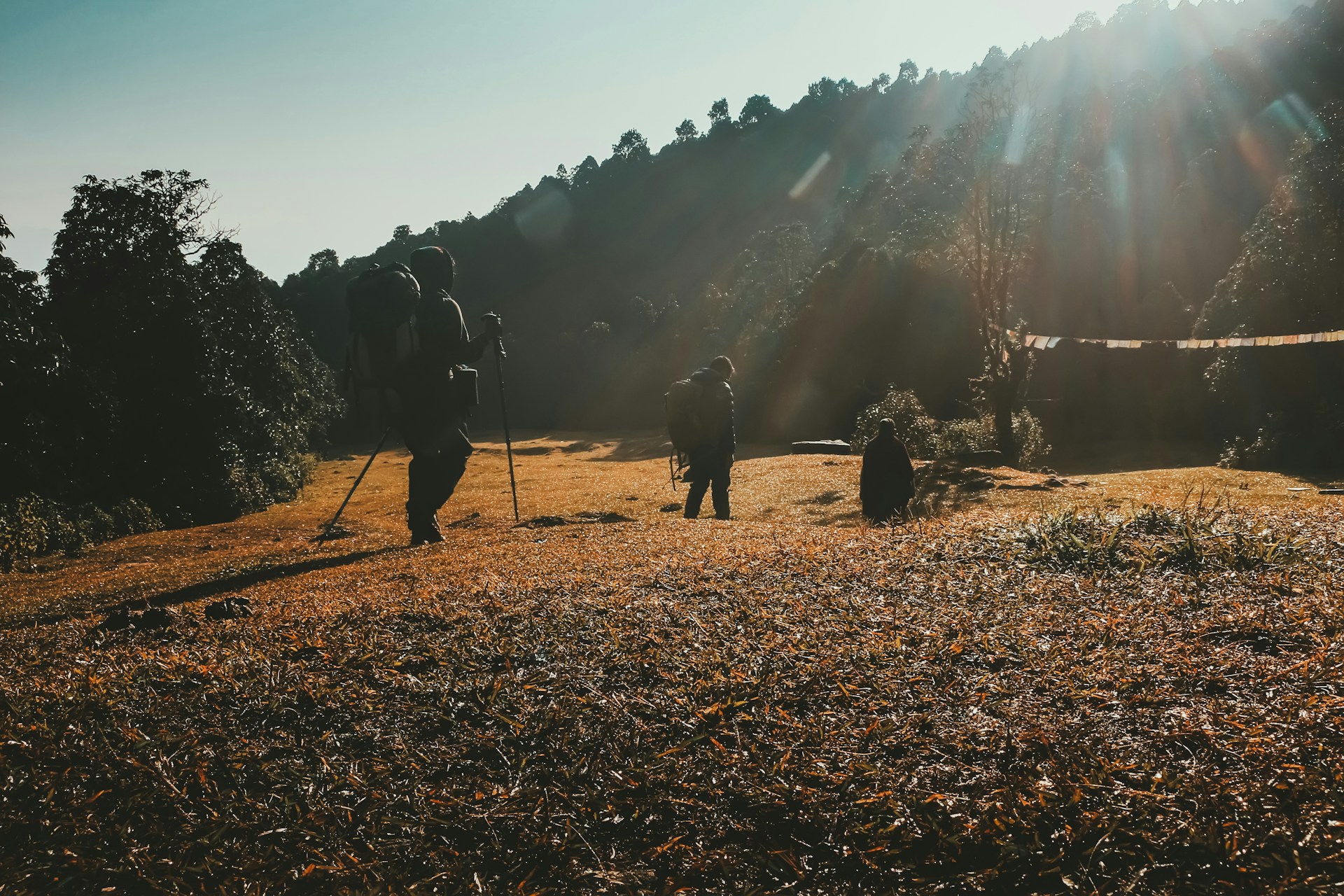
After breakfast at the hotel in Thimphu, transfer to the trekking trailhead to begin the Druk Path Trek. This day marks the true start of the high-altitude journey, combining gradual ascent, cultural significance, and classic Himalayan landscapes. The total trekking distance is approximately 10 km, with an average walking time of 4–5 hours, making it a well-balanced introduction to the trek. The trail begins with a steady ascent through forested slopes dominated by blue pine and alpine vegetation. This section offers a calm and shaded walking environment, ideal for acclimatization as altitude is gained gradually. The path is well defined and follows traditional routes once used by monks and traders traveling between valleys. Occasional breaks in the forest provide expanding views over the Thimphu Valley below, highlighting the contrast between Bhutan’s modern capital and its untouched mountain wilderness. Continuing uphill, the route reaches Phajoding (3,870 m), one of Bhutan’s most important Buddhist retreat centers. Phajoding has long been used by monks for extended meditation retreats and is set in a quiet, spiritually significant location high above the valley. This point offers an excellent opportunity to pause, rest, and absorb the tranquil surroundings before continuing to higher elevations. Beyond Phajoding, the trail climbs more openly towards Labana Pass (4,235 m), the highest elevation reached during the trek. Weather permitting, trekkers are rewarded with wide-ranging Himalayan views and a commanding perspective over the entire Thimphu Valley far below. This section is considered one of the most scenic viewpoints accessible on short treks from Thimphu and provides a strong sense of remoteness despite its proximity to the capital. After crossing the pass, the trail descends slightly to reach Labana (4,130 m), set in open alpine terrain. The campsite offers expansive mountain views and a peaceful high-altitude atmosphere, ideal for rest and acclimatization after the day’s ascent. Upon arrival, settle into camp and enjoy time at leisure to relax and prepare for the following day’s trek. Overnight accommodation is arranged at a fully supported trekking camp at Labana. All meals (breakfast, lunch, and dinner) are included.
After breakfast at the campsite in Labana (4,130 m), begin today’s stage of the Druk Path Trek with a gradual descent toward Jimilangtsho. This is one of the longer but rewarding days on the trek, covering approximately 13 km with an average walking time of 5–6 hours. The route combines scenic high-altitude lakes, alpine vegetation, and traditional pastoral landscapes. The trail initially descends gently from Labana through open alpine terrain, gradually easing the altitude while maintaining expansive mountain views. Soon, the path leads to Simkota Lake (4,090 m), a remote and tranquil lake surrounded by rolling highland meadows. This section of the trek is particularly scenic, with reflective waters and wide-open landscapes that highlight the remoteness of Bhutan’s central highlands. Continuing along the trail, you pass Janye Tsho, another beautiful high-altitude lake set amid dwarf rhododendron vegetation. The trail here moves through a mix of open terrain and low alpine shrubs, creating a varied and visually engaging walking experience. During the trekking season, it is common to encounter yak herders’ camps in this area, offering insight into the traditional semi-nomadic lifestyle practiced in Bhutan’s high mountain regions. As the route progresses, the landscape gradually softens and the path follows gentle contours toward Jimilangtsho. The altitude decreases slightly, making the walking pace comfortable after the previous day’s ascent to Labana Pass. On clear days, surrounding ridges and distant mountain views accompany much of the walk, adding to the sense of journey through a pristine Himalayan environment. By afternoon, arrive near Jimilangtsho Lake (3,880 m), where the campsite is set close to the water’s edge. The lake is known for its calm atmosphere and scenic setting, making it one of the most memorable camping locations on the Druk Path Trek. The remainder of the day is at leisure, allowing time to relax, explore the lakeside surroundings, or simply enjoy the quiet mountain environment. Upon arrival, settle into camp and rest after a full day of trekking. Overnight accommodation is arranged at a fully supported trekking camp near Jimilangtsho Lake. All meals (breakfast, lunch, and dinner) are included.
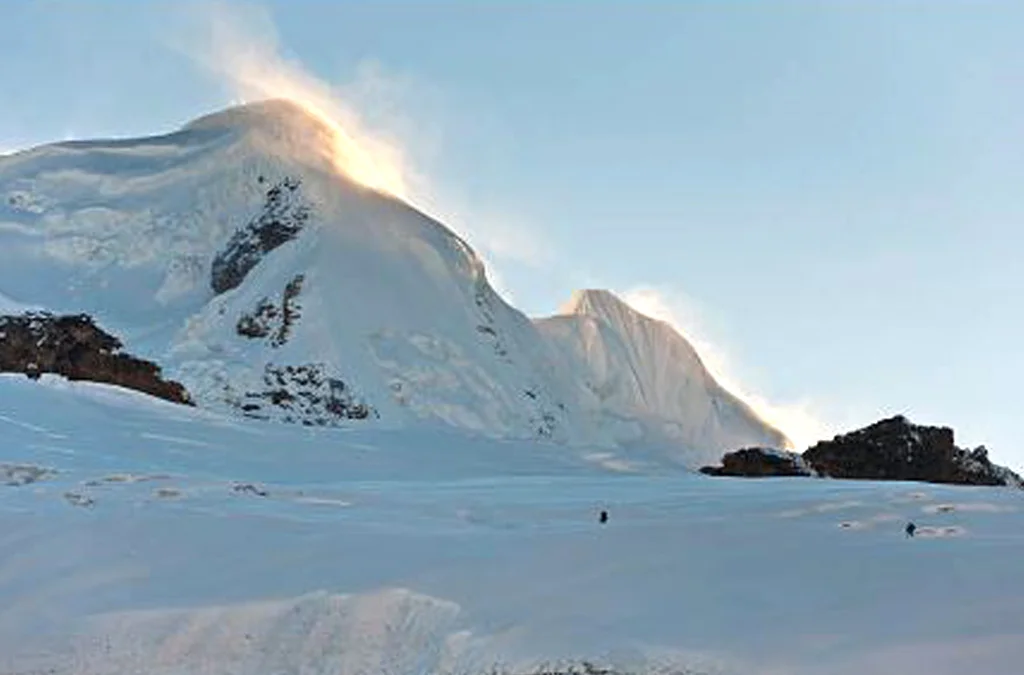
After breakfast at the campsite near Jimilangtsho (3,880 m), begin today’s stage of the Druk Path Trek towards Jangchulakha. This scenic trekking day covers approximately 12 km and takes around 4–5 hours, following a classic ridgeline route through Bhutan’s high-altitude landscapes. The trail initially climbs gently from Jimilangtsho, quickly joining an exposed ridge that offers wide-ranging views across surrounding valleys and mountain ranges. Walking conditions alternate between gradual ascents and gentle descents, making this a balanced and enjoyable trekking day. The ridgeline route provides an open and airy feel, with clear sightlines across the Himalayan foothills. One of the highlights of today’s trek is the frequent view of Jichu Drake (6,989 m), a prominent snow-capped peak that dominates the skyline on clear days. As the trail follows the ridge, the scenery continuously shifts between expansive mountain panoramas and distant valley views, offering excellent photographic opportunities and a strong sense of journey through Bhutan’s highlands. The landscape is characterized by alpine vegetation, open meadows, and scattered rhododendron shrubs, reflecting the ecological transition at this altitude. During the trekking season, the area is often used as summer grazing ground, and it is common to see yaks and temporary herders’ shelters along the route. These encounters provide insight into the traditional pastoral lifestyle that continues in Bhutan’s remote mountain regions. As the trail progresses, it gradually descends toward Jangchulakha (3,780 m), a broad alpine campsite set in open pastureland. The campsite is known for its wide views, peaceful surroundings, and clear mountain air. The location offers a tranquil setting to rest after the day’s walk and prepare for the following stage of the trek. Upon arrival, settle into camp and enjoy the remainder of the afternoon at leisure. This is an ideal opportunity to relax, take short walks around the campsite, or simply enjoy the expansive mountain scenery as the light changes toward evening. Overnight accommodation is arranged at a fully supported trekking camp at Jangchulakha. All meals (breakfast, lunch, and dinner) are included.
After breakfast at the campsite in Jangchulakha (3,780 m), continue the Druk Path Trek with a scenic walk towards Jele Dzong. Today’s trek covers approximately 11 km and takes around 4–5 hours, following a classic ridgeline route through Bhutan’s high-altitude landscapes. The trail begins by following an open ridge, gradually descending through alpine forest dominated by rhododendron shrubs and mixed highland vegetation. Walking conditions are generally moderate, with gentle ups and downs along the ridge, making this a comfortable yet rewarding trekking day. The elevated route provides wide views across surrounding valleys and mountain slopes, offering a strong sense of openness and space. On clear days, trekkers are rewarded with impressive views of Mount Jomolhari (7,315 m), one of Bhutan’s most iconic Himalayan peaks. The snow-capped summit frequently dominates the skyline during this section of the trek, creating excellent photographic opportunities and adding to the dramatic mountain setting. As the trail continues, the landscape alternates between forested sections and open alpine areas used as seasonal grazing grounds. It is common to encounter yak herders and temporary herders’ camps along the route, offering insight into the traditional pastoral lifestyle still practiced in Bhutan’s high mountain regions. These encounters provide a cultural dimension to the day’s walk, complementing the natural scenery. Approaching Jele Dzong (3,450 m), the trail descends gently, and views of the Paro Valley begin to appear below. Jele Dzong itself is a historic site located on a ridge above the valley, known for its peaceful setting and panoramic viewpoints. Upon arrival, settle into camp near Jele Dzong and enjoy time at leisure to rest and take in the serene mountain surroundings after the day’s walk. Overnight accommodation is arranged at a fully supported trekking camp near Jele Dzong. All meals (breakfast, lunch, and dinner) are included.
After breakfast at the campsite near Jele Dzong (3,450 m), begin the final day of the Druk Path Trek with a gradual descent toward the Paro Valley. Today’s walk covers approximately 9 km and takes around 4–5 hours, offering a relaxed and scenic conclusion to the trekking journey. The trail descends steadily from Jele Dzong through alpine forest and mixed woodland, following well-defined paths that have traditionally linked the high ridges with the valley below. As altitude is lost, the landscape changes noticeably, with vegetation becoming denser and the air warmer. The descent is gentle and unhurried, allowing trekkers to enjoy the surroundings and reflect on the journey completed over the past days. Along the way, occasional clearings provide expanding views over the Paro Valley, revealing terraced fields, scattered farmhouses, and forested hillsides. On clear days, distant Himalayan peaks may still be visible behind you, offering a final glimpse of the high mountain scenery that has characterized the trek. This section of the route is particularly enjoyable, as the walking is comfortable and the sense of arrival gradually builds. Continuing downhill, the trail passes through forested slopes dominated by blue pine before reaching the outskirts of Paro. The trek officially concludes near the historic Ta Dzong (2,510 m), an ancient watchtower that once guarded the valley and now stands as an important cultural landmark. Reaching Ta Dzong marks the formal end of the Druk Path Trek. From the trek endpoint at Ta Dzong, transfer to Paro Valley (2,250 m). Upon arrival, check in at the hotel and enjoy time at leisure to relax after the trek, take a refreshing shower, or explore Paro town at your own pace. With its relaxed atmosphere, traditional architecture, and scenic valley setting, Paro offers a comfortable transition back to everyday life after days spent in the mountains. Overnight accommodation is provided in a deluxe twin-sharing room at Rema Resort or a hotel of similar standard in Paro. All meals (breakfast, lunch, and dinner) are included.
After breakfast, embark on a memorable hike to Taktsang Monastery, popularly known as the Tiger’s Nest Monastery, one of Bhutan’s most sacred Buddhist pilgrimage sites. Dramatically perched on a steep cliff approximately 900 metres above the Paro Valley, the monastery is widely regarded as the spiritual heart of Bhutan. The hike covers approximately 12 km round trip and takes around 5–6 hours, with an ascent and descent of about 900 metres. The hiking trail begins with a steady climb through pine forests, offering a peaceful and scenic walking experience. As altitude is gained, occasional clearings reveal striking views of the Tiger’s Nest clinging to the cliff face. This gradual ascent allows time for acclimatization while enhancing anticipation as you approach one of Bhutan’s most iconic landmarks. Upon reaching the monastery, explore this revered site deeply associated with Guru Rinpoche, who is believed to have meditated here in the 8th century, introducing Buddhism to Bhutan. The monastery complex includes temples, shrines, and meditation halls set against a dramatic Himalayan backdrop. From here, enjoy panoramic views over the Paro Valley, adding to the profound spiritual atmosphere of the visit. After descending back to the valley, and depending on time and energy levels, continue with light cultural exploration in Paro. A visit can be made to Kyichu Lhakhang, one of the oldest and most sacred temples in Bhutan, dating back to the 7th century. If time and weather permit, a short scenic stop can also be made at Drukgyel Dzong (viewed from outside), from where distant views of Mount Jomolhari may be seen on clear days. After completing the hike to Taktsang Monastery (Tiger’s Nest) and the sightseeing tour of the Paro Valley, return to your hotel where the evening is at leisure, allowing time to relax, enjoy a refreshing shower, or take a gentle stroll through Paro town. With its traditional architecture, relaxed pace, and scenic valley setting, Paro provides a comfortable transition back to everyday life after days of trekking and hiking. Overnight accommodation is provided in a deluxe twin-sharing room at Rema Resort or a hotel of similar standard in Paro. All meals (breakfast, lunch, and dinner) are included.
After an early breakfast at your hotel in Paro, you will transfer to Paro International Airport for your return flight to Kathmandu. Your Bhutanese guide will assist with departure procedures and check-in for Druk Air flight KB 400, which departs at 08:05 AM and arrives in Kathmandu at 09:05 AM. Subject to weather conditions, the Himalayan crossing provides striking views of snow-covered peaks, rugged mountain ridges, and deep river valleys, creating a memorable farewell to Bhutan. On arrival at Tribhuvan International Airport (1,400 m), you will be received by a representative of Jagadamba Holidays and transferred by private vehicle to your hotel in Thamel, Kathmandu’s centrally located tourist district. The journey covers approximately 7 km and usually takes 30–45 minutes, depending on traffic conditions. After check-in, the remainder of the afternoon is left free, allowing time to relax and recover after the international flight. Later in the afternoon, take part in a Nepal Astro Experience — Special Session with Dr. Suneel Sitaula. This carefully guided experience introduces Himalayan and Vedic astrological traditions in a calm and reflective environment. Rather than focusing on predictions, the session highlights cultural understanding, symbolic interpretations, and the relationship between celestial movements, mindfulness, and personal awareness. The experience is suitable for all guests and offers a meaningful insight into Nepal’s living spiritual heritage. In the evening, instead of planned sightseeing, the emphasis shifts toward rest and well-being. International guests may choose to experience a calming Ayurveda or spa treatment at the hotel or at a nearby wellness center in Thamel. These experiences use traditional massage methods, herbal-based therapies, and gentle treatments designed to ease travel fatigue and support physical and mental balance. This relaxed pace allows for a smooth and comfortable transition back into Nepal. The day concludes in a peaceful atmosphere, offering time to unwind, reflect, or enjoy the evening ambiance of Kathmandu. This wellness-oriented day creates a balanced pause between travel and activity, helping guests feel refreshed for the journey ahead. Overnight accommodation is provided in a deluxe twin-sharing room at Kathmandu Guest House or a hotel of similar standard in Kathmandu. Daily breakfast is included.
Concluding Your Journey in NepalAs your Bhutan Cultural Tour – Sacred Valleys of the Himalayas & Nepal draws to a close, this final day offers a moment to pause and reflect on the remarkable journey you have completed across two of the Himalayas’ most culturally rich regions. From Bhutan’s secluded valleys, monasteries, and deeply rooted spiritual traditions to Nepal’s vibrant heritage, historic cities, and heartfelt hospitality, the journey has revealed the Himalayas in both their outer beauty and inner meaning. Throughout the tour, encounters with local communities, time spent in sacred spaces, and travel through dramatic mountain landscapes have created experiences that go far beyond conventional sightseeing. Carefully designed to balance cultural insight, natural scenery, and authentic interaction, this journey has offered a genuine understanding of life in the Himalayan region, leaving impressions that remain long after the journey ends. Airport Transfer & FarewellFor a smooth and well-organised departure, a representative from Jagadamba Holidays, your local travel partner for Nepal and Bhutan, will collect you from your hotel approximately 3.5 hours before your scheduled flight. A private transfer will then take you to Tribhuvan International Airport, ensuring a comfortable and timely conclusion to your stay in Nepal. As a final gesture of goodwill, you will be offered a traditional khata scarf along with warm wishes for a safe and pleasant onward journey, symbolising appreciation, respect, and positive blessings. We sincerely thank you for travelling with Jagadamba Holidays and look forward to the opportunity of welcoming you again for future journeys across the Himalayas and beyond.
Group Size & Pricing
| Group Size (Pax) |
2 - 2 |
3 - 4 |
5 - 6 |
7 - 8 |
9 - 12 |
13 - 16 |
17 - 20 |
21 - 24 |
25 - 32 |
| Cost Per Person |
$0 |
$0 |
$0 |
$0 |
$0 |
$0 |
$0 |
$0 |
$0 |
Cost Include
- Kathmandu–Paro–Kathmandu round-trip airfare (Druk Air)
- 3★ premium accommodation at listed hotels/resorts for 9 nights
- Licensed English-speaking guide and professional driver throughout the tour
- All meals as per itinerary (hotels, local restaurants, or picnic settings)
- Private luxury transportation for the entire journey (SUV or Toyota luxury bus)
- One-day traditional Bhutanese national dress experience
- Bottled drinking water during meals and vehicle transfers
- Guided sightseeing tours in Kathmandu with deluxe private transportation.
- All applicable taxes and service charges, including GST, SDF, visa, and entry fees
Cost Exclude
- Travelers are free to book international flights to and from Nepal independently
- Nepal tourist visa fees and related charges, to be arranged and paid by the traveler
- Flight and hotel upgrade charges, applied only if requested by the traveler
- Single room supplement of USD 360 per person (9 Nts), available on request
- Lunch and dinner in Kathmandu, unless specifically included in the itinerary
- Beverages, alcohol and personal drinks not included as part of the tour services
- Laundry services and personal expenses such as phone use, Wi-Fi, and device charging
- Tips and gratuities for guides, drivers, and service staff, at the traveler’s discretion
- Travel insurance covering medical treatment and emergency evacuation during travel
|




 Trip Overview
 Travel Itinerary
 Cost Includes
 Cost Excludes
 Fixed Departure
 Route Map

 Freqeuntly Asked Questions
 Reviews And Rating