


 Overviews
 Trip Overview
The Dhampus Sarangkot Trek is among the most popular short treks of Nepal in the Annapurna region which offers a wonderful combination of the Himalayan scenery, traditional village culture and easy trekking paths.
Starting near Pokhara, this trip takes visitors through scenic settlements such as Dhampus and Sarangkot, famous for their panoramic mountain vistas and peaceful surroundings.
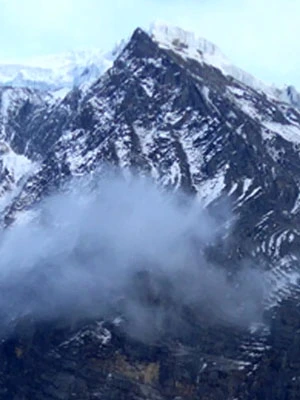
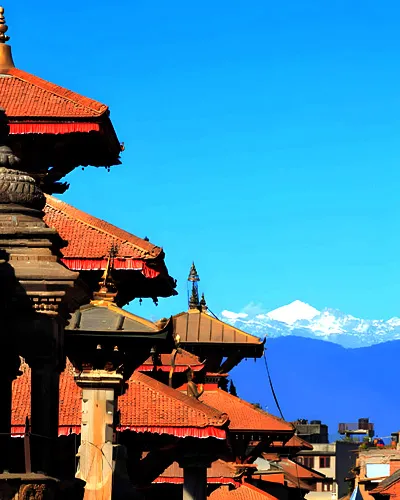
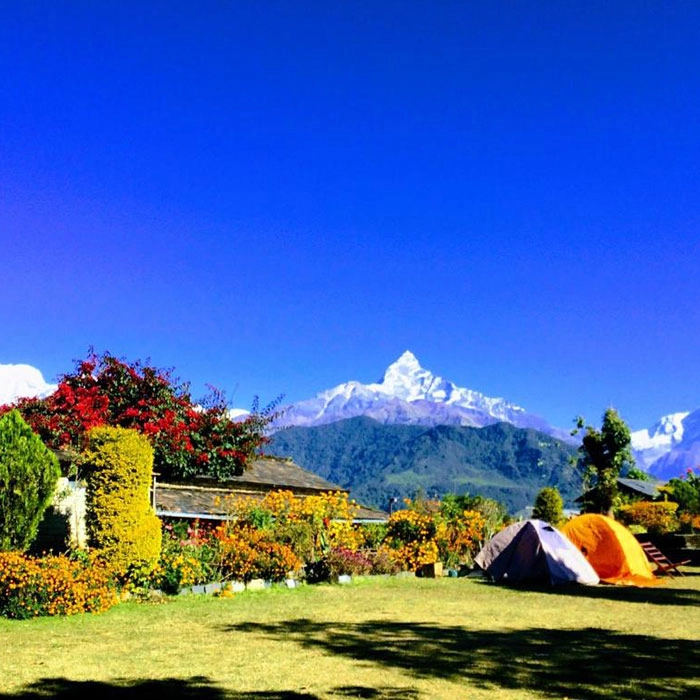
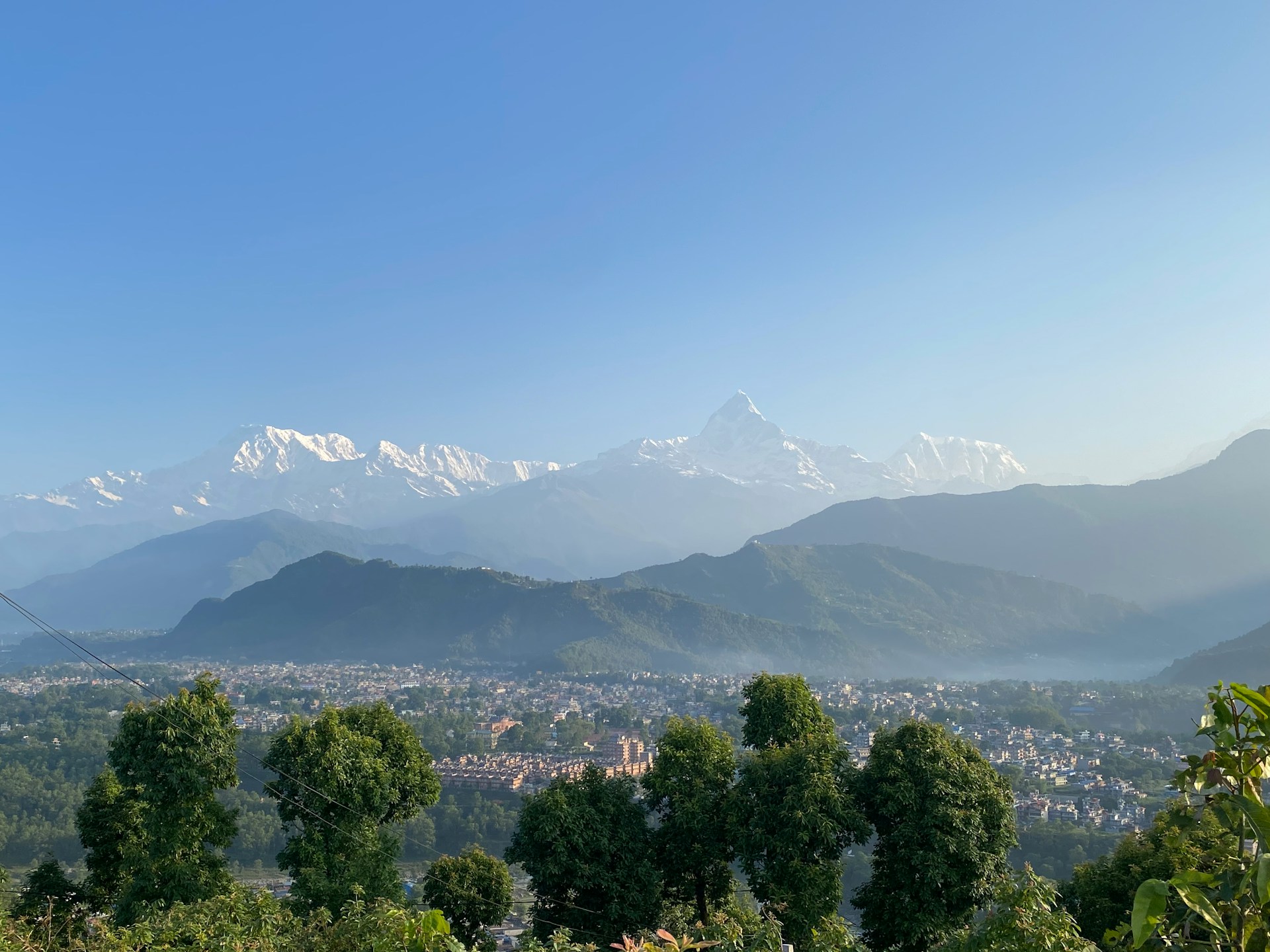
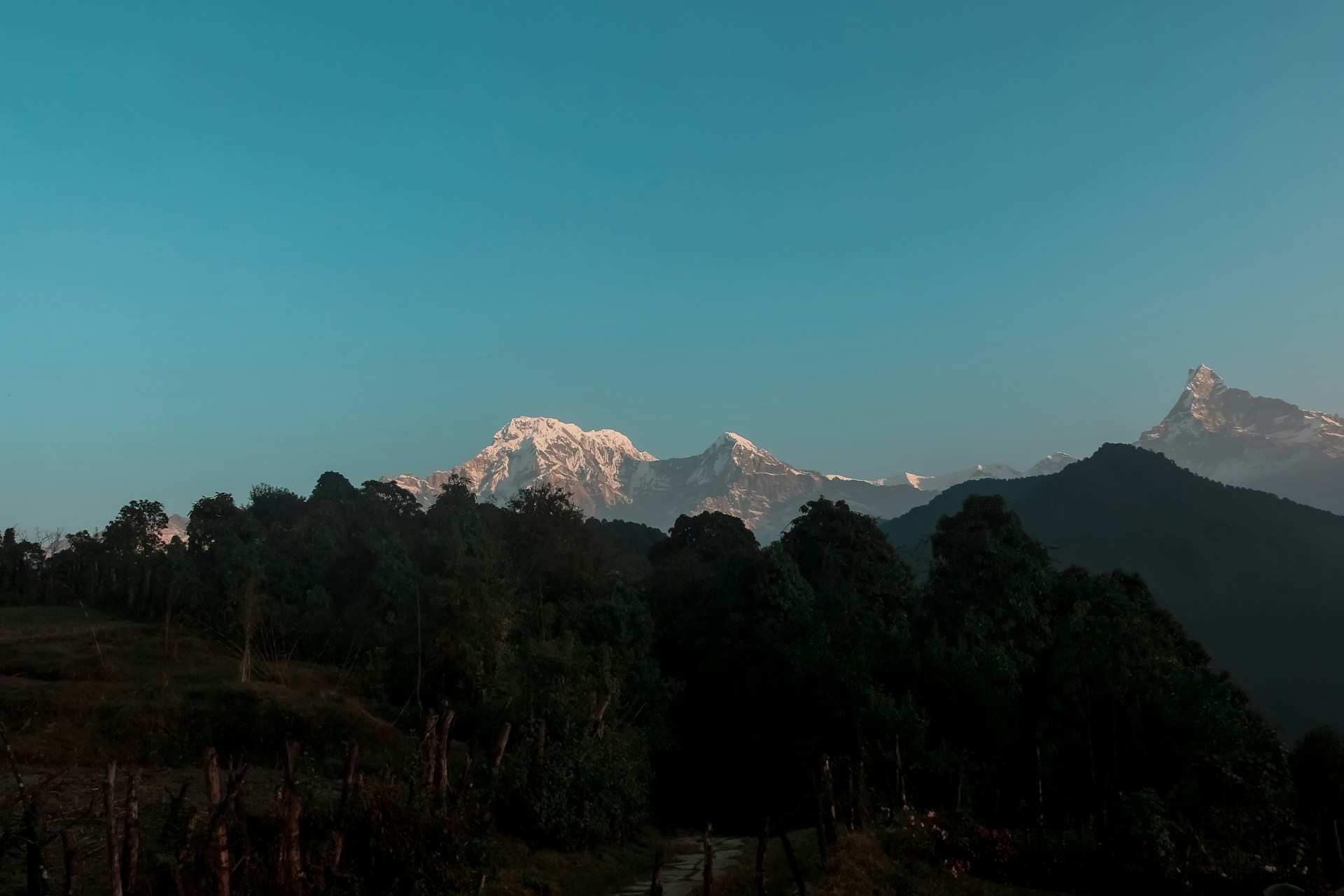
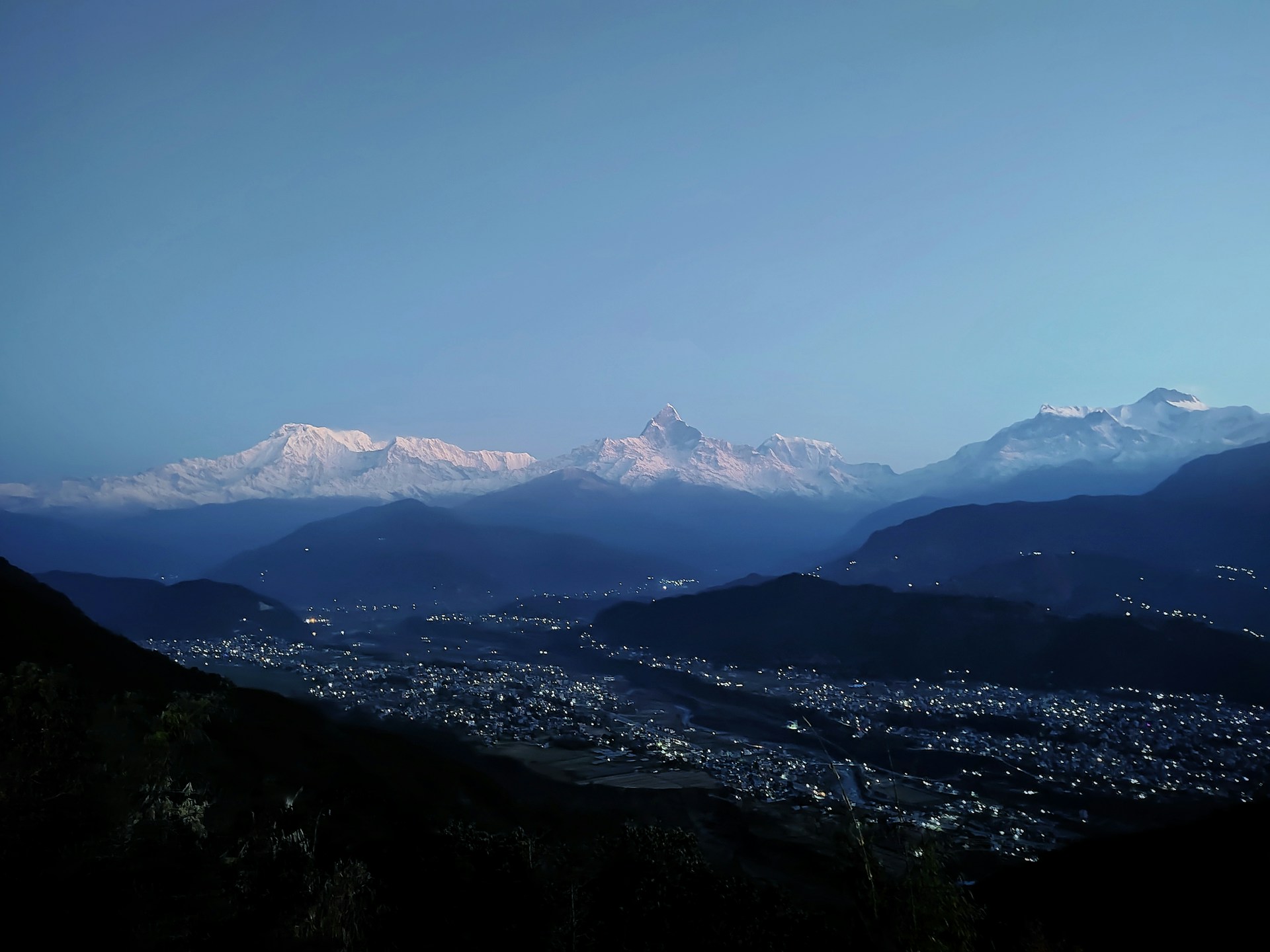
The route passes through terraced farmlands, rhododendron forests, and traditional Gurung settlements while offering close-up views of Annapurna, Machhapuchhre (Fishtail), Dhaulagiri, and Lamjung Himal. This trek is ideal for travelers seeking a short Himalayan adventure without high altitude challenges or long trekking days.
Best Season for Dhampus Sarangkot Trek
The best seasons for the Dhampus Sarangkot trek are spring (March to May) and autumn (September to November). During these months the weather is consistent, the skies clear and mountain visibility great.
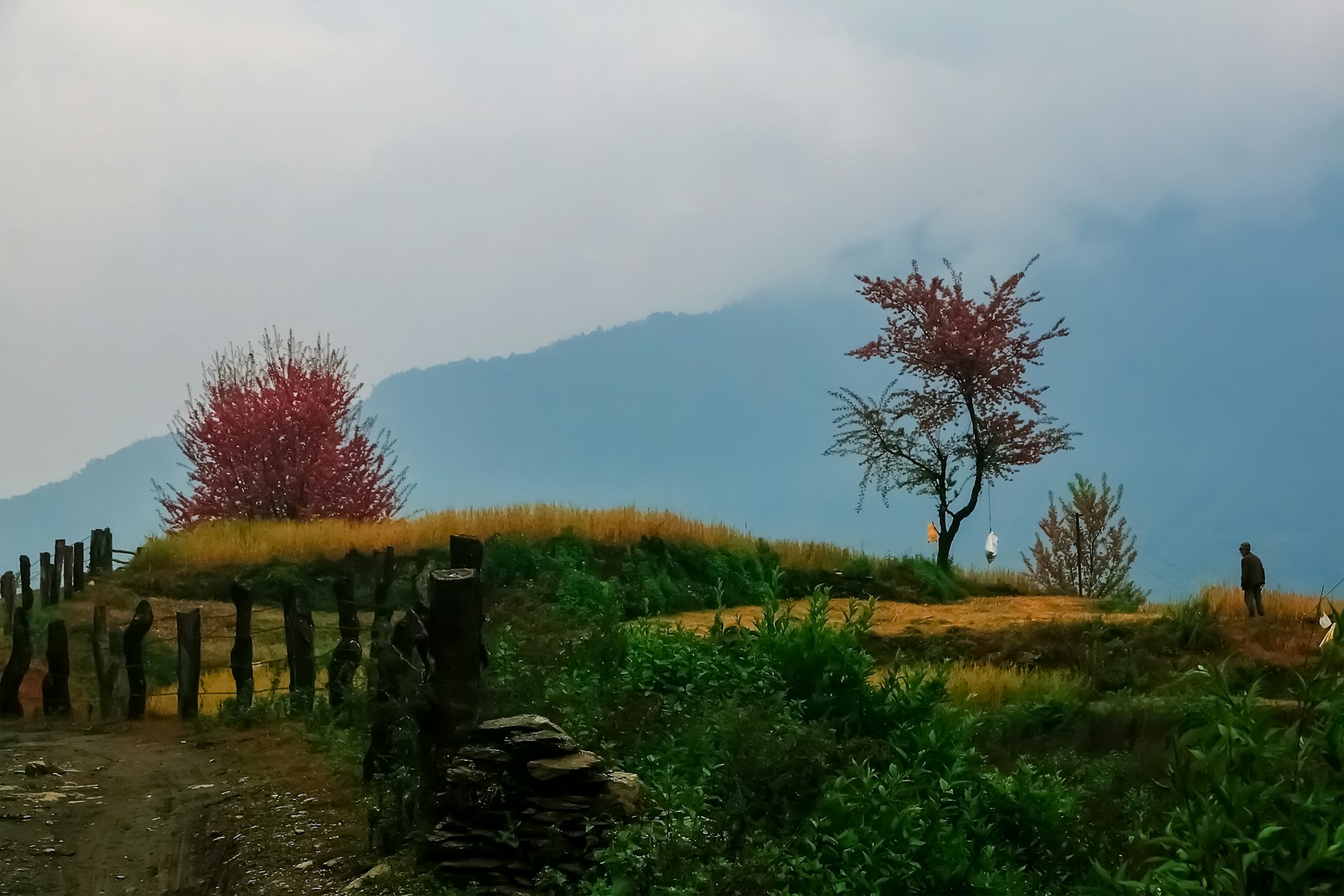
Spring brings blooming rhododendron forests and pleasant temperatures, while autumn offers crisp air and stunning Himalayan panoramas.
Winter (December–February) is also suitable for trekking, although mornings and evenings can be cold. The monsoon season (June–August) is less recommended due to rainfall and slippery trails.
Highlights of Dhampus Sarangkot Trek
- Spectacular sunrise and sunset views from Sarangkot
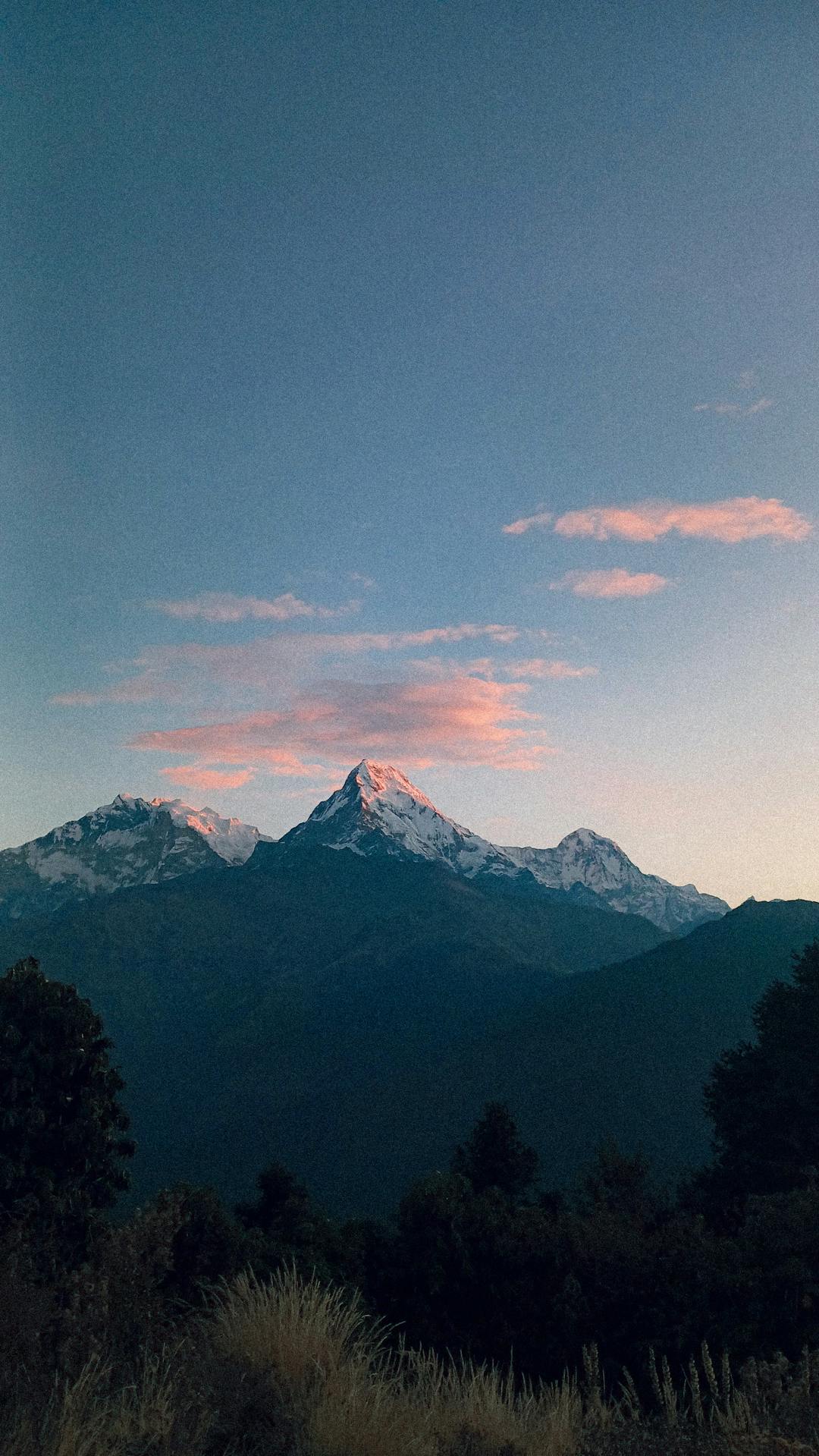
- Stunning panoramas of Annapurna and Machhapuchhre
- Traditional Gurung villages and culture
- Easy and simple walking trails for beginners
- Terraced scenery and spectacular rhododendron woods
- Peaceful environment in Himalayan village
- Short hike for families and travelers with little time e
- Scenic walking routes close to Pokhara
What Makes Dhampus Sarangkot Trek Special?
- The Dhampus Sarangkot Trek is unique for providing a true Himalayan trekking experience in a short period and without excessive physical exertion.
- Unlike longer high-altitude treks, this route allows travelers to enjoy mountain scenery, village culture, and natural beauty while staying at relatively low elevations.
- The combination of peaceful villages, close mountain views, and easy accessibility from Pokhara makes it one of the best short treks in Nepal for beginners and casual trekkers.
How Difficult is Dhampus Sarangkot Trek?
The trek is considered easy to moderate and suitable for most travelers with basic physical fitness. Daily walking is often 4-6 hours on well-maintained paths with gentle ascents and descents.
While some sections include stone staircases and uphill climbs, no technical trekking skills are required. It is perfect for novices, families and travelers looking for comfortable trekking.
Permits Required for Dhampus Sarangkot Trek Nepal
For the Dhampus Sarangkot Trek, trekkers generally require:
- ACAP Permit (Annapurna Conservation Area Permit)
- TIMS Card (Trekkers’ Information Management System)
These permits are mandatory for trekking in the Annapurna region and are checked at designated checkpoints.
Safety and Precautions
The Dhampus Sarangkot Trek is generally safe, but trekkers should still follow basic precautions:
- Trek with a guide or group whenever possible
- Wear decent trekking shoes with a good grip;
- Keep hydrated on the hike
- Don’t hike in poor weather
- Carry basic medicines & first aid kit
- Respect local norms, community traditions.
Altitude Sickness and Prevention
Altitude sickness is uncommon on this trek because the elevation remains relatively low compared to other Himalayan treks. However, some trekkers may experience mild tiredness from uphill walking.
To stay comfortable:
- Keep a steady walking speed
- Have enough to drink.
- Properly eat on the hike
- Take a break when you need it
What to Expect During Dhampus Sarangkot Trek Nepal
During the trek, you can expect scenic walking trails, traditional villages, peaceful forests, and incredible Himalayan views throughout the journey. The trail offers relaxed trekking with comfortable tea house accommodation and chances to interact with local Gurung tribes.
Sunrise and sunset mountain views from Sarangkot and Dhampus are among the biggest highlights. The trek provides a balance of culture, nature, and soft adventure suitable for all kinds of travelers.
Dhampus Sarangkot Trek Itinerary
Day 1: Drive from Pokhara (822m/ 2696ft) to Phedi (1130m/ 3707ft), then Trek to Dhampus (1650m/ 5413ft)
Day 2: Trek from Dhampus (1650m/ 5413ft) to Sarangkot (1600m/ 5249ft)
Day 3: Trek from Sarangkot (1600m/ 5249ft) to Pokhara (822m/ 2696ft)
Is Dhampus Sarangkot Trek Suitable For You?
This trek is suitable for:
- Beginner trekkers
- Families with kids
- Moderately fit senior travelers
- Nature & Photography Lovers
- Travelers with limited time in Nepal
It may not be suitable for those seeking challenging high-altitude trekking or remote wilderness adventures.
Training and Preparation
No advanced training is required, but light preparation helps make the trek more comfortable:
- Regular walking or jogging before your trip
- Practice going up and down stairs or uphill
- Light cardiovascular workout to increase stamina
- Carry a small backpack during practice walks
Basic fitness and positive energy are usually enough for this trek.
Things You Should Know
- The trek is short but offers excellent Himalayan views
- Weather in mountain locations can change rapidly
- Early mornings can be chilly even in warmer seasons
- Some aspects of mobile networks might be restricted
- Carry cash as there are no ATMs on the trekking routes
- Respect local village culture and tradition
- Tea house facilities are basic compared to city hotels.
- Sunrise views from Sarangkot are one of the main highlights of the trek
Dhampus Sarangkot Trek Accommodation
Accommodation during the trek is mainly in local tea houses and lodges. Rooms are simple but comfortable, usually with twin beds and shared or attached bathrooms depending on the location.
Staying in village tea houses allows travelers to experience local hospitality and traditional mountain lifestyles. In Pokhara, travelers can choose from budget hotels to luxury lakeside resorts before or after the trek.
Dhampus Sarangkot Trek Food and Meals
Food during the trek is fresh, simple, and suitable for trekking activities. Common meals include:
- Dal Bhat (rice, lentils, vegetables)
- Noodles and soups
- Fried rice and pasta
- Potatoes, eggs, and bread items
- Tea, coffee, and local snacks
Meals are prepared in tea houses and provide enough energy for daily trekking.
Packing List, Gears, and Equipment
- Comfortable trekking shoes
- Warm jacket or fleece
- Light trekking clothes (layered clothing recommended)
- Rain jacket or poncho
- Backpack (20–40 liters)
- Water bottle or hydration pack
- Sunscreen and sunglasses
- Hat or cap for sun protection
- Headlamp or flashlight
- Basic first aid kit
- Trekking poles (optional)
 Travel Itinerary
 Cost Includes
 Cost Excludes
 Fixed Departure
 Route Map
 Frequently Asked Questions
 Reviews And Rating