RARA LAKE TREK
US$3,240.00
/pp
-
15 Days
-
Hidden Himalayas
-
Spring/Autumn
-
Trekking
-
3,691 Meters
-
Hard
-
Car / Plane
-
02-16 People
-
JH#285
 Overviews
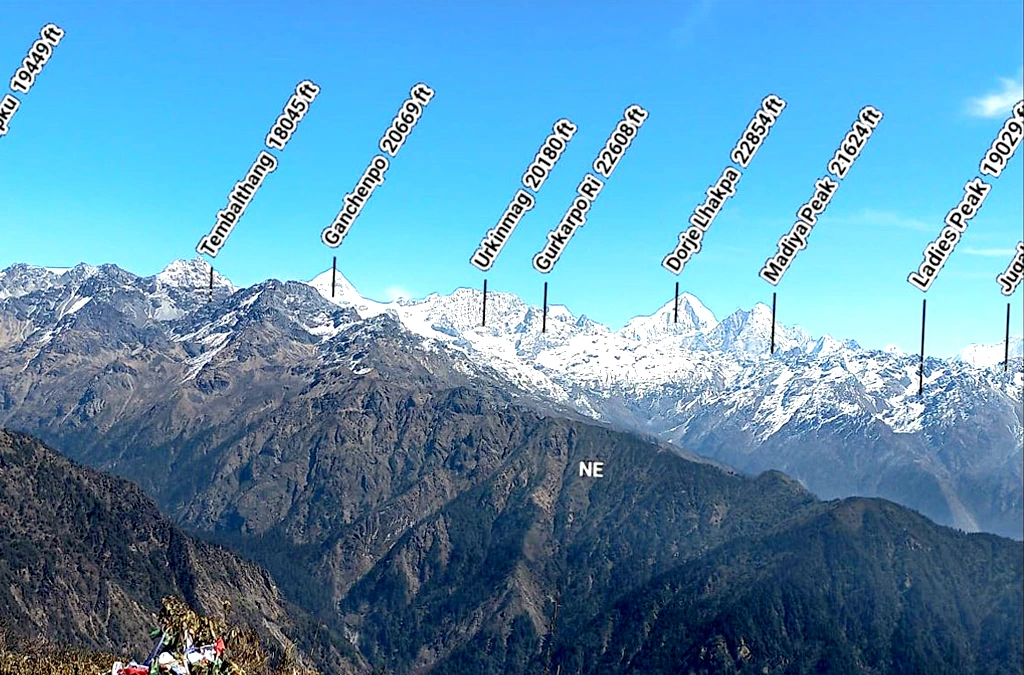
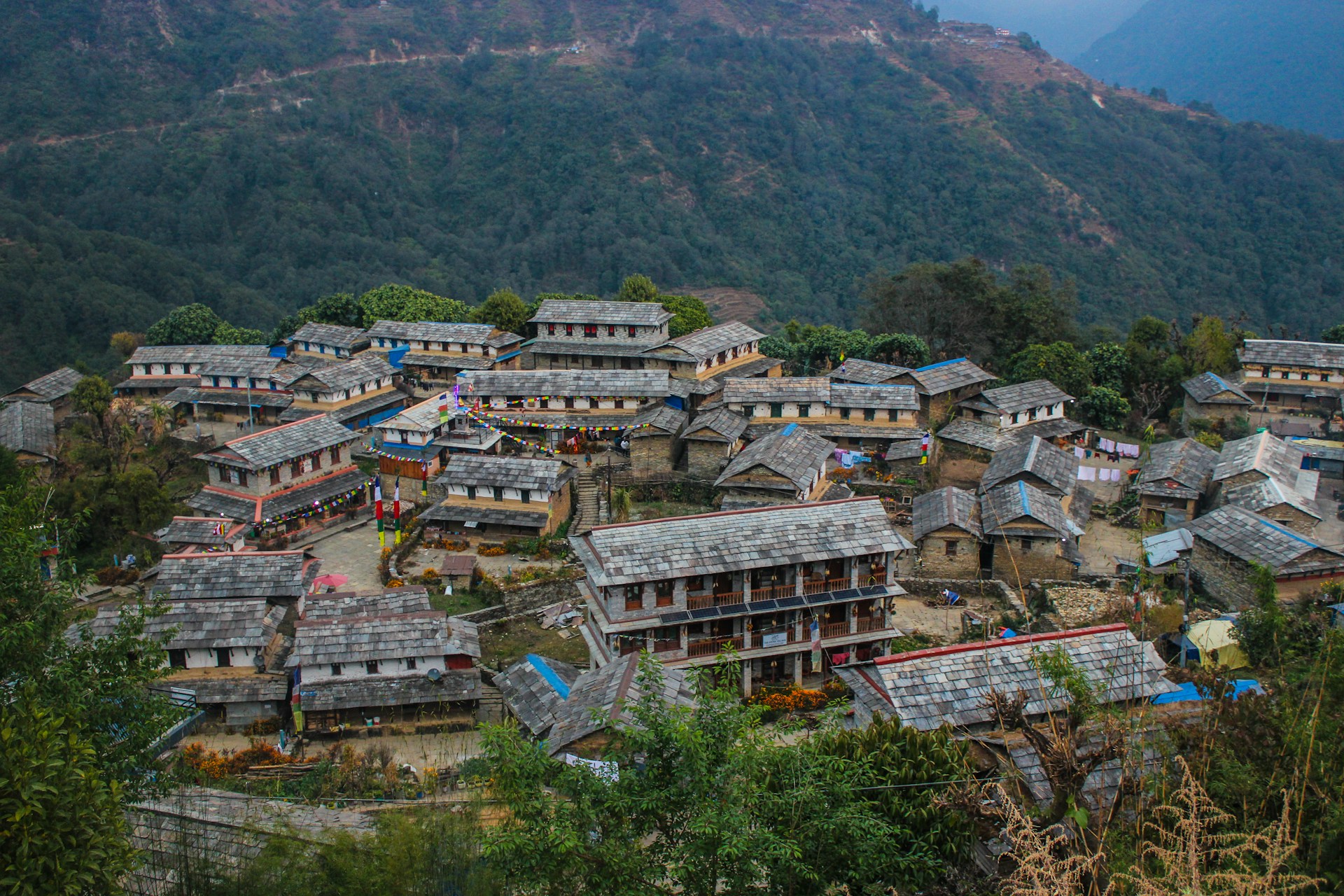
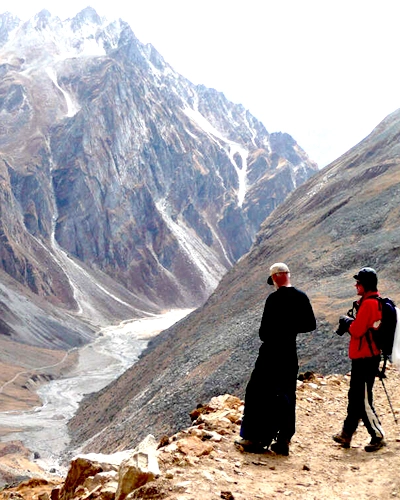
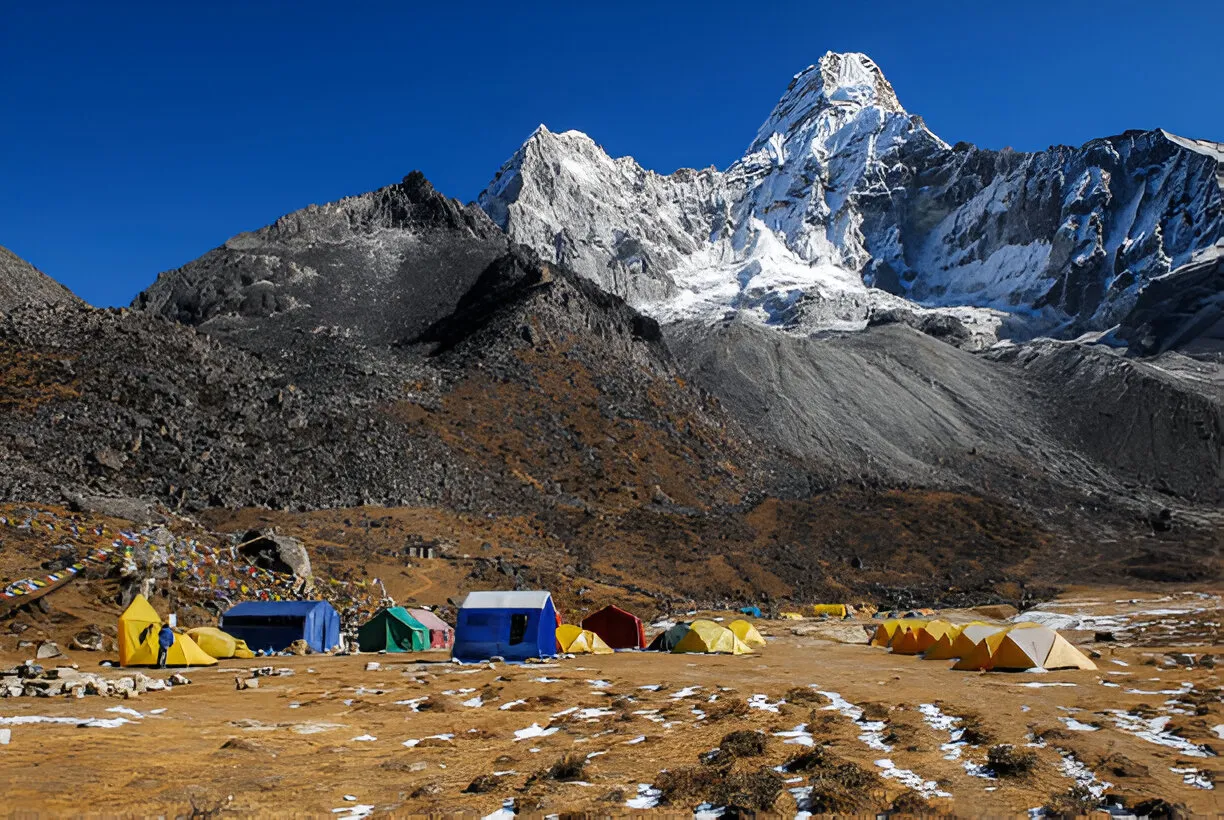
Discover the Rara Lake Trek, a journey through Nepal’s hidden gem with pristine landscapes, serene trails, and rich cultural experiences. This trek takes you to the largest lake in Nepal, Rara Lake, located within Rara National Park. The trek offers a perfect combination of natural beauty, peaceful wilderness, and opportunities to explore remote villages and the unique culture of the region. Beginning in the remote region of Mugu, you’ll trek through lush forests, terraced fields, and alpine meadows before reaching the turquoise waters of Rara Lake. Along the way, you’ll witness breathtaking views of the surrounding peaks, rolling hills, and scenic valleys. The trek provides a tranquil environment ideal for those seeking solitude, adventure, and a connection with nature. Each day reveals new experiences, including cascading rivers, dense pine forests, rhododendron blossoms, and highland pastures that highlight the natural beauty of northwestern Nepal. A unique aspect of the Rara Lake Trek is the chance to engage with the local communities living near the lake. The inhabitants, including Chhetri and Thakuri groups, maintain their traditional lifestyle, providing trekkers with a glimpse of centuries-old customs and warm hospitality. You can explore small villages, interact with locals, enjoy traditional Nepali cuisine, and experience the cultural richness of this remote region. Renowned for its serene environment and cultural depth, the Rara Lake Trek is ideal for trekkers seeking a peaceful yet rewarding adventure. The trails are moderately challenging, catering to trekkers with good fitness who are looking for an off-the-beaten-path experience in Nepal. The journey not only tests endurance but also immerses you in the natural and cultural heritage of the region. Best Time to Do Rara Lake Trek in NepalThe best seasons for the Rara Lake Trek Nepal are spring (March to May) and autumn (September to November). During these months, skies are clear, temperatures are pleasant, and trails are dry. In spring, rhododendrons and wildflowers bloom beautifully, while autumn offers crisp mountain views after the monsoon. Winter treks are possible but extremely cold, and snow can block trails. The monsoon season brings slippery paths, leeches, and poor visibility. What Makes Rara Lake Trek Special?Rara Lake is Nepal’s largest lake, situated at 2,990 meters, surrounded by snow-capped mountains. The trek is less frequented by tourists, making it ideal for those who prefer peaceful trekking. The combination of natural beauty, remote wilderness, and cultural encounters makes this trek truly unique. You can explore small settlements, view local temples and shrines, and witness wildlife like Himalayan monals, musk deer, and rare birds. Permits RequiredTrekkers require the Rara National Park Permit and a TIMS (Trekkers’ Information Management System) card. Jagadamba Holidays handles all permits, ensuring a smooth and hassle-free experience. Safety and PrecautionsTrekking in remote areas requires careful planning. Always travel with a licensed guide familiar with the region and local customs. Carry a first-aid kit, water purification tablets, layered clothing, and adequate trekking gear. Respect local traditions, follow trail safety, and take acclimatization days seriously. Rara Lake Trek DifficultyThe Rara Lake Trek is moderately challenging, with trekking days of 5–7 hours through forests, valleys, and gentle hills. The trails are less rugged compared to high Himalaya treks, but the remoteness and limited facilities require good physical fitness and self-sufficiency. This trek is suitable for trekkers seeking a tranquil yet adventurous experience. Training and PreparationPrepare 1–2 months in advance with cardio exercises like hiking, jogging, and stair climbing. Strengthen your legs, core, and endurance. Multi-day hikes with a backpack help simulate trekking conditions. Mental preparedness is also key, as the region offers basic facilities and quiet surroundings. Mountain ViewsRara Lake is surrounded by peaks such as Chuchemara, Kanjiroba, and other parts of the Himalaya, offering dramatic views over turquoise waters. The lake itself is serene, reflecting the sky and surrounding mountains, creating perfect photo opportunities and unforgettable scenery. Altitude Sickness and PreventionThe trek reaches moderate altitudes around 3,500 meters at viewpoints. Ascend slowly, stay hydrated, and take rest days to acclimatize. Watch for early signs of altitude sickness, and descend immediately if symptoms worsen. What to ExpectExpect a peaceful trek with limited modern facilities. The journey passes through forests, meadows, small villages, and along the Rara Lake shoreline. You’ll experience local culture, enjoy fresh traditional meals, and walk amidst some of Nepal’s least disturbed natural landscapes. Why Choose Jagadamba Holidays for Rara Lake TrekJagadamba Holidays specializes in remote and culturally rich treks. We arrange permits, experienced guides, lodging, meals, and transportation. Our team ensures safety and comfort while providing deep cultural insights. Trekkers can focus on adventure while we handle logistics. Things You Should KnowAccommodation is in simple lodges or guesthouses. Electricity is often solar-powered, internet is limited, and cash is needed for local expenses. Weather can change quickly, so flexible planning is essential. Always respect local traditions and religious sites. Is Rara Lake Trek for Me?This trek is perfect for travelers seeking tranquility, scenic beauty, and cultural exposure. It suits moderately fit trekkers who enjoy peaceful paths over crowded trails and value authenticity over luxury. Meals & AccommodationStay in local lodges and guesthouses with basic amenities. Traditional Nepali meals include dal bhat, noodles, and momos. Meals are simple but nourishing for trekkers. Plan Your Rara Lake TrekJagadamba Holidays handles all logistics, including permits, guides, porters, accommodation, meals, and transportation to and from Jumla or Talcha Airport. Custom itineraries for solo travelers or groups ensure safety, flexibility, and a memorable adventure. Highlights- Trek to Rara Lake, Nepal’s largest lake
- Spectacular views of surrounding Himalayan peaks
- Explore remote villages and experience local culture
- Observe wildlife like Himalayan monals and musk deer
- Peaceful trekking away from crowded trails
Why Choose Rara Lake TrekThe Rara Lake Trek combines adventure, serenity, and cultural immersion. It is ideal for trekkers who want to explore Nepal’s hidden gems with stunning landscapes, pristine waters, and authentic village experiences. Packing List, Gears, and Equipment- Clothing: Base layers, fleece, down jacket, waterproof jacket, trekking pants, gloves, hat, thermal underwear
- Footwear: Sturdy trekking boots, camp shoes, warm socks
- Gear: Sleeping bag (-10°C), 40–50L backpack, trekking poles, daypack
- Essentials: Headlamp, sunglasses, sunscreen, lip balm, water bottles, purification tablets
- Other items: First-aid kit, toiletries, power bank, snacks
Rara Lake Trek CostCosts include licensed guide, porter, permits, lodging, meals, and transportation. Group rates decrease per person with larger groups. Jagadamba Holidays provides private-group quotes and seasonal promotions to make this remote adventure accessible while maintaining high-quality service.
Itinerary (Plan)
Arrive in Kathmandu (1,400 m / 4,593 feet), Nepal's vibrant capital, where you'll be warmly welcomed with marigold garlands. After transferring to your hotel, take time to relax and acclimate to the bustling city. Discover vibrant local markets, indulge in traditional Nepali dishes, and delve into Kathmandu's rich cultural tapestry. This initial day is perfect for easing into your journey, setting the stage for the exciting adventures ahead in Eastern Nepal. A representative from Jagadamba Holidays will ensure a smooth and pleasant arrival.
Optional Evening Activity:
If you wish, you can spend your evening experiencing the Pashupatinath Aarti, a captivating religious ceremony held at the Pashupatinath Temple. The Aarti usually begins around 6:00 PM and lasts for approximately an hour. This ceremony is a mesmerizing display of traditional music and rituals, providing a profound insight into Hindu spiritual practices. Please check the exact time for the Aarti on the day of your visit, as it may vary. This option is not included in the standard itinerary but offers a unique opportunity to immerse yourself in local culture.
After a hearty breakfast at your hotel, Kathmandu Guest House in Thamel, Kathmandu (1,400 m / 4,593 ft), proceed to the domestic airport for your scenic 1-hour flight to Nepalgunj (150 m / 492 ft). As the plane ascends, enjoy stunning aerial views of the Kathmandu Valley, rolling hills, and terraced farmland. On clear days, you may spot snow-capped Himalayan peaks including Langtang, Ganesh Himal, Manaslu, and the majestic Dhaulagiri range, along with the distant Dolpo region mountains, offering an early glimpse of the high-altitude adventure ahead. Upon arrival in Nepalgunj, a vibrant town on the edge of Nepal’s Terai plains, take in its lively markets, bustling streets, and multicultural atmosphere. Known as a gateway to western Nepal, Nepalgunj reflects a blend of Tharu, Nepali, and Muslim cultures, with colorful bazaars and local eateries that provide a taste of the region’s unique lifestyle. Use this leisure time to explore, shop, or sample local delicacies, making it a perfect introduction to the Terai before your trek. In the evening, return to your accommodation for rest and pre-trek preparation. The Jagadamba Holidays team will assist with all trekking permits and arrangements, while your guide provides a pre-trek briefing, ensuring you are fully prepared, informed, and energized for the journey ahead.
After breakfast in Nepalgunj, board a short and picturesque flight to Jumla, one of the most remote yet captivating towns in western Nepal. The 35-minute journey offers sweeping views of verdant valleys, rugged ridges, and distant Himalayan peaks glistening in the morning sun. As the aircraft descends over the Karnali region, the sight of mountain settlements and winding rivers introduces you to the raw beauty of Nepal’s far west. Upon landing at Jumla Airport (2,375 m / 7,792 ft), take a moment to acclimatise before beginning your first trek toward the peaceful village of Uthugaon. The trek from Jumla to Uthugaon covers approximately 7.5 kilometres and takes 4 to 5 hours to complete. During this journey, you will ascend around 210 metres and descend about 55 metres across gently undulating terrain — a pleasant start ideal for acclimatisation. The route is moderate, allowing you to settle into the rhythm of mountain walking. The trail from Jumla follows a gradual gradient with short ascents and level stretches, providing ample opportunity to enjoy the pristine scenery and refreshing mountain air. As you follow the banks of the Tila Khola River, the landscape transforms continuously — from lush river valleys to forested slopes and open meadowlands. Heading north, the trail meets the Chaudhabise Khola and gradually enters dense pine forests interspersed with grassy clearings. The scent of pine and wild herbs fills the crisp air, while birdsong echoes softly through the trees. Along the way, you may meet shepherds tending their livestock or locals carrying firewood, offering a glimpse into the traditional rural life of the Karnali region. Rolling green hills and snow-clad peaks frame the horizon, creating a picture-perfect mountain panorama. By late afternoon, you will arrive at Uthugaon (2,530 m / 8,301 ft), a tranquil hamlet nestled beside the river. The village, surrounded by terraced fields and traditional stone houses, embodies the authentic charm of Himalayan rural life. Enjoy a hearty home-cooked meal prepared by your local hosts and spend a restful evening in a comfortable lodge, lulled by the soothing sounds of the river beneath a starlit mountain sky.
After breakfast at the lodge, begin your journey toward Danphe Lagna, a picturesque highland pass surrounded by dense pine forests. The morning air is fresh, and the sun gradually lights up the distant mountain ridges as you walk through the peaceful ravine leading toward Padmara Village. The day’s adventure offers both gentle climbs and short descents through one of the most untouched corners of the Karnali region. Today’s trek spans approximately 12 kilometers and takes 6 to 7 hours to complete. The trail ascends around 1,050 meters and descends about 50 meters from Uthugaon toward Khali Lagna Pass (3,550 m / 11,483 ft), offering mild to moderate difficulty. This section of the route helps you adapt to the increasing altitude while enjoying panoramic views of surrounding hills and valleys. The trail gradually climbs through mixed forests of fir, pine, and spruce, where the earthy scent of moss fills the air. Keep an eye out for Himalayan monals, the national bird of Nepal, known locally as “Danphe.” You may also spot colorful pheasants or shy musk deer hidden within the trees. As you continue upward, the forest opens to meadows dotted with alpine flowers. By late afternoon, you’ll reach Danphe Lagna (3,500 m / 11,483 ft), set amid tranquil highland scenery. The pass offers sweeping views of distant mountain ridges fading into the horizon. Settle in for the evening at a local teahouse, where you can relax with warm meals and the serenity of the mountains under a starlit sky.
After breakfast at Danphe Lagna, embark on a scenic trek that gradually descends towards Chautha Village. The morning trail passes through tranquil forests and open valleys, where the crisp mountain air carries the scent of pine and bamboo. Today’s path combines gentle ascents and descents, offering changing scenery and mild challenges that help you adapt to the increasing altitude. The trek covers approximately 13 kilometres over 5 to 6 hours, with a total ascent of 400 metres and descent of 1,130 metres from Danphe Lagna to Chautha Village. The route features steep and uneven sections, beginning with a climb through birch and fir forests before gradually descending to the banks of Sinja Khola. Several small log bridges are crossed along the way, adding a touch of adventure and variety to the trek. The trail passes serene riverbanks, dense forests, and small villages, offering glimpses of the traditional rural lifestyle of the region. Approaching Kabra, the terrain becomes more rugged, with cliffs and medicinal rocks known as Silajit, believed to have healing properties. Along the path, you may spot langurs swinging through the trees and hear the birdsong echoing through the valleys. By late afternoon, you will arrive at Chautha (2,770 m / 9,088 ft), a rustic mountain village surrounded by high hills and terraced fields of barley and millet. The peaceful rhythm of mountain life continues here, with quiet evenings and a starlit sky overhead. Overnight is at a comfortable local lodge, allowing you to rest and reflect on another rewarding day of trekking.
After breakfast at the lodge, begin your trek toward Dhotu, a scenic village set against the backdrop of pine-covered hills. The day’s trail is rich in cultural and natural beauty, passing through remote hamlets and forests echoing with the sound of birdsong. With the route entering Rara National Park, today marks an exciting step deeper into the wilderness of western Nepal. The trek covers approximately 15 kilometres and takes 5 to 6 hours, with a total ascent of 1,070 metres and descent of 1,140 metres. The trail is moderately demanding, with a steady climb from Chautha Village to Ghurchi Lagna Pass (3,450 m / 11,319 ft), followed by a gentle descent toward Dhotu Village. Along the way, the landscape alternates between terraced fields, steep ridges, and deep forested valleys, offering continuous views of the surrounding Himalayan peaks. Passing through Bhulbule, you will reach the Rara National Park checkpoint, where trekking permits are verified. The path then ascends through thick forests of spruce and fir until you arrive at the top of Ghurchi Lagna Pass, adorned with prayer flags, chortens, and small Buddhist shrines. This sacred pass provides panoramic views of the Himalayan ranges, shimmering under the sunlight, making it a highlight of the trek. Descending from the pass, the trail winds through spruce and pine forests before opening onto the peaceful Dhotu Valley. The small village of Dhotu (2,380 m / 7,808 ft) welcomes you with traditional houses and smiling locals. Overnight is at a comfortable mountain lodge, where you can enjoy a warm meal and prepare for the next highlight of your journey—the crystal-clear waters of Rara Lake.
After breakfast at Dhotu, embark on one of the most memorable days of your trek—the journey to the majestic Rara Lake. As the sun rises over the hills, the trail begins with a steep climb through green pastures surrounded by high ridges. The landscape becomes increasingly dramatic, hinting at the pristine beauty that awaits ahead. Today’s trek spans approximately 13 kilometres and takes 5 to 6 hours, with a total ascent of 600 metres and descent of 230 metres. The initial climb may feel challenging, but the trail soon levels as you traverse small streams and wooden bridges. This well-defined route is moderate in difficulty, rewarding every step with spectacular mountain views and the refreshing scent of forest air. The route leads through Jhyari Village, a charming settlement of the Thakuri people, before climbing through a cedar forest. The sound of birdsong and rustling leaves fills the air as you ascend to a ridgeline overlooking Rara Lake. The final stretch unfolds stunning glimpses of turquoise waters shimmering in the distance. Reaching Rara Lake (2,980 m / 9,776 ft) is an unforgettable moment. Often called “The Queen of Lakes”, it lies peacefully within Rara National Park, surrounded by pine-clad hills and snowcapped peaks. As you settle by its calm shores, the reflection of the sky and mountains over the lake will leave you speechless. Spend the evening in a lakeside lodge or campsite under a star-filled sky, soaking in the serenity of the Karnali region.
After breakfast by the lakeshore, spend the day exploring the serene surroundings of Rara Lake, one of Nepal’s most captivating natural wonders. The tranquil morning atmosphere is perfect for reflection as the sun’s first rays dance on the crystal-clear waters. Enveloped by rolling pine forests and snowcapped ridges, the lake appears like a mirror to the heavens, radiating peace and natural beauty. Rara Lake (2,980 m / 9,776 ft), often called the Queen of Lakes, is the largest lake in Nepal and lies within Rara National Park, the smallest national park in the country but one of the richest in biodiversity. Formed thousands of years ago during the quaternary glacial period, the lake is believed to have originated from tectonic uplift and glacial activity, creating a natural basin surrounded by high hills. Historically, the lake and its surrounding valleys were home to small communities of Thakuri and Chhetri people, who depended on the fertile lands and the lake’s resources for sustenance. Local folklore tells of spiritual legends, suggesting the lake is a sacred site where deities and mystical beings once resided, blessing the land with fertility and prosperity. Ancient monasteries and Buddhist shrines in the region reflect the lake’s historical and cultural importance, making it both a natural and spiritual landmark. Today’s journey involves easy exploration, giving your body a well-deserved rest after several days of trekking. You can spend 3 to 4 hours walking leisurely around the lake’s perimeter or engaging in light outdoor activities such as horseback riding or boating. The day is flexible, allowing ample time to appreciate nature’s calm and capture photographs of the ever-changing colours of Rara’s surface, framed by pine and cedar forests. The surrounding Rara National Park is home to a rich diversity of flora and fauna. You may spot Himalayan monals, red pandas, or musk deer while exploring forest trails filled with rhododendrons, spruce, and cedar. The lakeshore offers birdwatchers a paradise, with over 200 species of resident and migratory birds inhabiting the area. Gentle mountain breezes create ripples across the lake, carrying the soothing scent of pine and alpine herbs. As evening approaches, the soft golden glow of sunset paints the lake in shades of orange and pink. Settle into your camp or lodge and enjoy a warm dinner surrounded by the stillness of nature. The night sky above Rara Lake is dazzling, with countless stars reflecting on the calm waters—a perfect moment combining natural wonder, historical significance, and spiritual serenity, marking the highlight of your Himalayan adventure.
After breakfast at Rara Lake, bid farewell to the enchanting Queen of Lakes and begin your descent toward Ghorasingha Village. The trail starts with gentle slopes through thick cedar forests, where morning light filters beautifully through the trees. As you move away from the lake, the path follows the tranquil Khatyar Khola River, offering soothing sounds of flowing water and distant birdsong, while the surrounding mountain scenery unfolds. Today’s trek covers approximately 17 kilometres and takes 6 to 7 hours, with a total ascent of 450 metres and descent of 1,240 metres. The route is moderate, featuring gradual descents and occasional short climbs. Being less frequented, the trail allows you to enjoy the serenity of nature in its rawest form. Walking through remote terrain, you’ll experience a mix of open meadows, wooded slopes, and charming rural landscapes. The forests along the route are rich with spruce, rhododendron, and pine. During spring, the trail bursts into vibrant colors as rhododendrons bloom in shades of red and pink. Wildlife sightings are common, and with quiet steps, you may glimpse Himalayan langurs leaping through the trees or hear the calls of pheasants echoing across the valley. The fresh mountain air and peaceful surroundings create an immersive nature trekking experience. By late afternoon, you will arrive at Ghorasingha (3,190 m / 10,466 ft), a peaceful mountain village surrounded by forests and rolling hills. The village has only a few traditional houses scattered across green fields, maintaining its serene and untouched charm. Spend a restful evening in a cozy teahouse, reflecting on the natural beauty, solitude, and Himalayan landscapes that make this part of the Rara region so enchanting.
After breakfast at Ghorasingha, begin your descent toward Sinja Hamlet, a historically rich valley known as the ancient capital of the Khasa Kingdom. The day starts with a gentle downhill walk through lush meadows and terraced farmland. The soft sound of rustling leaves and birdsong creates a serene rhythm as you retrace your path toward lower elevations. The trek to Sinja covers approximately 14 kilometres and takes 4 to 5 hours, with a total ascent of 120 metres and descent of 870 metres. The route is relatively easy compared to earlier days, with steady descents making for a comfortable day of walking. The trail follows the course of the Ghatta Valley before joining the sinuous Sinja Khola River, which guides you through scenic bends and forested sections of the valley. Along the way, you’ll pass through small villages where life remains simple and traditional. The air feels warmer, and fields of barley and buckwheat replace high-altitude pastures. As you move closer to Sinja, the trail opens into wide valleys surrounded by hills blanketed with oak and pine forests. This region also hosts centuries-old ruins, including remnants of temples and stone inscriptions, revealing the deep cultural heritage of early Nepali civilization. Reaching Sinja (2,440 m / 8,005 ft), you’ll be welcomed by its rural charm and historical significance. Explore the archaeological remains and local culture, gaining insight into the Khasa Kingdom’s history. Spend the evening in a local guesthouse, enjoying warm hospitality and a hearty dinner after another fulfilling day in the Karnali region.
After breakfast at the guesthouse, embark on the trek toward Jaljala Chaur, a vast alpine meadow known for its panoramic views and peaceful atmosphere. The day begins with a walk along the Sinja Khola River, where you’ll cross several wooden bridges connecting remote settlements. The sound of rushing water accompanies your steady pace through one of the Karnali region’s most scenic valleys. The trek from Sinja to Jaljala Chaur covers approximately 16 kilometres and takes 6 to 7 hours, with a total ascent of 650 metres and descent of 560 metres. The route features gentle climbs and occasional steep ascents, offering a balanced mix of challenge and ease. This section rewards trekkers with diverse landscapes, ranging from riverbanks and forest trails to open grasslands grazed by horses and yaks, ideal for nature trekking and photography. The journey continues through dense forests filled with oak, birch, and pine. The air is cool and fresh, and during spring and summer, the trail comes alive with wildflowers. Villagers cultivating barley and corn fields can be seen along the way, providing a glimpse into traditional rural life far from modern distractions. Wildlife sightings, such as Himalayan langurs or pheasants, may also occur in this pristine environment. As you ascend toward Jaljala Chaur (3,531 m / 11,581 ft), the terrain opens into a broad alpine pasture surrounded by distant Himalayan peaks. Horses and cattle graze freely, adding to the pastoral charm. The peaceful setting and cool mountain breeze make Jaljala Chaur an ideal stop before returning to Jumla. Spend the night at a guesthouse, soaking in the tranquility of your final evening in the Karnali highlands.
After breakfast at Jaljala, begin your final trek back to Khalanga Bazar, Jumla, marking the completion of your remarkable Rara Lake trek. The day starts with stunning views of rolling green hills and distant snow-capped peaks bathed in morning light. The crisp mountain air invigorates as you descend through peaceful forested trails, reflecting on the journey through western Nepal’s pristine wilderness. This final trek covers approximately 12 kilometres and takes 5 to 6 hours, with a total ascent of 150 metres and descent of 1,180 metres. The descent is gentle and comfortable, following well-trodden paths familiar from the early days of your trek. The route passes through open meadows and forests, offering numerous opportunities to enjoy the last glimpses of Himalayan scenery and the serene Karnali landscape. The forest trail is alive with chirping birds and fluttering prayer flags left by trekkers. Oak, pine, and juniper trees create a natural canopy, while occasional clearings reveal remote mountain villages in the distance. The trail offers a rewarding pace for reflection, appreciation of nature trekking, and immersion in the rural culture of western Nepal. Reaching Khalanga Bazar, Jumla (2,514 m / 8,251 ft), you will feel a deep sense of accomplishment. The familiar sights of the small mountain town welcome you warmly, marking the successful conclusion of your Rara Lake adventure. Celebrate this achievement with the Jagadamba Holidays team, rest in a comfortable lodge, and prepare for your return flight the following day.
After breakfast, begin your return journey with a scenic morning flight from Jumla Airport to Nepalgunj, enjoying breathtaking aerial views of Jumla’s rolling mid-hills, green valleys, and traditional mountain villages. This stunning flight provides the perfect farewell to the landscapes explored during your Rara Lake Trek, capturing the serene forests, peaceful trails, and pristine natural surroundings that make this journey one of Nepal’s most beautiful trekking experiences. Upon landing in Nepalgunj, transfer to the domestic terminal for your connecting flight to Kathmandu. This short and comfortable flight offers a smooth transition from the warm Terai plains back to Nepal’s bustling capital. From the air, enjoy the contrasting scenery of fertile farmlands, winding river systems, and the rising Himalayan skyline as the aircraft approaches the culturally rich Kathmandu Valley, marking a scenic conclusion to your adventure in western Nepal. Once you arrive in Kathmandu, transfer to your hotel for rest and relaxation. The rest of the day is free to unwind, enjoy a warm shower, or explore Kathmandu’s cultural sites, local markets, and vibrant neighborhoods at your own pace. This day beautifully blends the tranquillity of remote Jumla and Rara region with the lively charm of Kathmandu, offering a meaningful and memorable end to your Jumla Rara Lake Trek.
This contingency day in Kathmandu is built into your trekking itinerary as a safeguard against possible flight delays from Juphal, which are common due to unpredictable Himalayan weather. Including this buffer day provides flexibility, allowing trekkers to manage unforeseen changes without stress and ensuring a smooth journey after trekking in Nepal’s remote regions. By planning extra time, you gain peace of mind and avoid disruption to your international schedule. If flights operate as scheduled, the buffer day in Kathmandu becomes an excellent chance to unwind after your trek or explore the cultural treasures of the Kathmandu Valley, a UNESCO World Heritage Site. Highlights include Kathmandu Durbar Square, with its palaces, temples, and the Kumari Ghar (home of the living goddess), Swayambhunath Stupa overlooking the city, the sacred Boudhanath Stupa, and Pashupatinath Temple along the Bagmati River. Each site offers unique insight into Nepal’s spiritual and historical heritage. For a lighter experience, you may stroll through the vibrant streets of Thamel, relax at a spa, or browse the local bazaars for souvenirs. This contingency buffer day not only protects your itinerary from delays but also enriches your Himalayan adventure with options for Kathmandu exploration, cultural tours, or relaxation. Whether adjusting travel schedules or discovering Nepal’s heritage, the day ensures your trek ends on a balanced and memorable note.
Concluding Your Journey in Nepal
As your remarkable journey through the Himalayas comes to an end, take a moment to reflect on the awe-inspiring natural beauty, rich cultural heritage, and memorable experiences that have defined your time in Nepal. From the majestic mountain landscapes to the warm hospitality of the local communities, every moment has contributed to an unforgettable adventure.
Airport Transfer by Jagadamba Holidays
To ensure a smooth and timely departure, an official representative from Jagadamba Holidays will collect you from your hotel 3.5 hours prior to your scheduled flight departure. Our team is committed to providing a reliable and comfortable transfer service to Tribhuvan International Airport, allowing you to conclude your journey with peace of mind.
We sincerely appreciate your trust in Jagadamba Holidays and hope to have the pleasure of serving you again on your future journeys.
Group Size & Pricing
| Group Size (Pax) |
2 - 3 |
4 - 5 |
6 - 7 |
8 - 9 |
10 - 12 |
13 - 16 |
17 - 20 |
21 - 24 |
25 - 32 |
| Cost Per Person |
$2,916 |
$2,796 |
$2,676 |
$2,556 |
$2,436 |
$2,316 |
$2,196 |
$2,076 |
$1,956 |
Cost Include
- All transfers within Nepal are included as per itinerary
- Any domestic flight of Nepal as per trekking itinerary
- Trekking accommodation (hotel, lodge and/or tent) as per itinerary
- Small shared room with shared bathroom during trek in Nepal
- In Kathmandu and/or Pokhara: Stay at ***Hotel with breakfast
- Luggage for porters during the trek (12.5 kg/person)
- 3 meals (Breakfast, Lunch and Dinner) during the trek
- Unlimited tea or coffee for breakfast during the trek
- An English speaking guide (trekking/tour) as per Itinerary
- Travel insurance for trekking staff (guides and porters)
- All expenses of trekking staff(s) during trekking
- Conservation/National park entry fees
- Any special tour/trekking/climbing permits
- Sightseeing / Wildlife tours if included in the itinerary
- Farewell dinner in Kathmandu before returning home
Cost Exclude
- Single room/single tent surcharge (on request)
- Round trip/one way international flight ticket to Nepal.
- Tourist visa for Nepal (30-50 $, depending on length of stay)
- Personal Insurance (covers: Trip/flight cancellation, helicopter rescue)
- Meals (lunch, dinner) at hotels in Kathmandu, Pokhara and other cities
- Gratuity for trekking staff (recommended: 9€ /10$ per traveler per day)
- Drinks (soft, hot or mineral/boiled water) during the lodge trek
- Any personal trekking and/climbing equipment for trekking in Nepal
- Hotel expenses in case of early return from trekking for any reason
- Costs due to flight cancellations & extra porters/horses during the trek
- Any additional service and KTM – Lukla helicopter shuttle flight cost
- Additional costs incurred due to any reason beyond Jagdamba’s control
- More evidence about pandemics like COVID-19 if needed in the future.
- Personal expenses during the trek (phone, wifi, shower, charging etc.)
- Other costs and things that are not mentioned in the service inclusion
|



 Trip Overview
 Travel Itinerary
 Cost Includes
 Cost Excludes
 Fixed Departure
 Route Map

 Freqeuntly Asked Questions
 Reviews And Rating