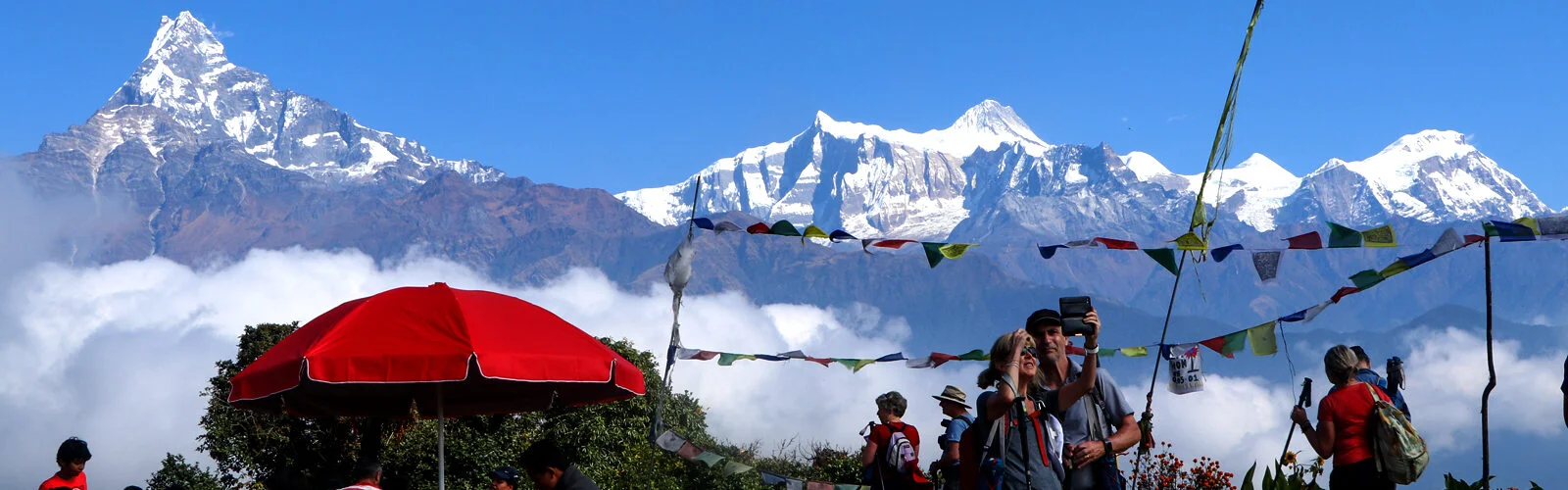
BARUNTSE CLIMBING EXPEDITION
US$14,400.00
/pp
-
36 Days
-
Everest
-
Spring/Autumn
-
Trek & Climb
-
6,476 Meters
-
Strenuous
-
Car / Plane
-
02-25 People
-
JH#233
 Overviews
Baruntse (7,129 m / 23,389 ft) is one of the most spectacular Himalayan peaks in Nepal’s Everest region, offering a high-altitude expedition that perfectly blends technical climbing, trekking, and cultural immersion. With its challenging southeast ridge, Baruntse demands physical endurance, technical climbing skills, and prior experience on Alpine PD+/AD routes or Scottish Grade I/II winter climbs, ensuring a safer and more rewarding adventure. The peak rises majestically amidst the world’s highest mountains, including Everest, Lhotse, Makalu, and Ama Dablam, providing unparalleled panoramic vistas at every stage of the journey. The expedition begins with a thrilling flight from Kathmandu to Lukla (2,860 m), one of the most scenic and adrenaline-inducing airports in the world. From Lukla, climbers embark on a 10-day trek through the remote Hongu Valley, passing serene rivers, glacial streams, and open alpine meadows. Along the route, trekkers encounter traditional Sherpa villages, offering a rare glimpse into local culture, festivals, and Himalayan lifestyle. Upon reaching Baruntse Base Camp (5,400 m), climbers establish high camps at 6,000 m and 6,300 m on the Lower Barun Glacier. The summit push along the southeast ridge is a technical climb requiring 7–10 hours of focused effort, navigating exposed ridgelines, crevasses, and icy slopes. The sense of achievement at the summit, coupled with sweeping Himalayan views, is matched only by the beauty of the journey through untouched alpine landscapes. Baruntse Expedition is not just a climb—it is an immersive Himalayan experience testing physical endurance, technical skill, and mental resilience. Jagadamba Holidays provides full logistical, medical, and Sherpa support, ensuring climbers can focus entirely on their adventure while staying safe and well-prepared. The descent takes climbers back through Namche Bazaar, celebrating success before returning to Kathmandu, leaving memories of a lifetime. Special Note: The Baruntse Expedition spans 30–35 days, reaching a maximum altitude of 7,129 meters at the summit. The best seasons for this high-altitude adventure are April and October, when weather conditions are most stable and skies are clear. This challenging expedition is designed for experienced climbers and combines trekking with technical climbing. Accommodation is provided in teahouses during the trek and in tented camps at higher elevations, ensuring safety and comfort throughout the journey. Permits RequiredClimbers must obtain several permits for the Baruntse Expedition. Jagadamba Holidays handles all arrangements: - Baruntse Climbing Permit – Department of Tourism, Nepal
- Spring (Mar–May): USD 500
- Autumn (Sep–Nov): USD 250
- Winter/Summer (Dec–Feb & Jun–Aug): USD 125
- Makalu Barun National Park Entry Permit – NPR 3,000 (~USD 23)
- Khumbu Pasang Lhamu Rural Municipality Entry Permit – NPR 3,000 (~USD 23)
These permits are essential for legal climbing and trekking in the region. Safety and PrecautionsBaruntse is a technical high-altitude climb with crevasses, exposed ridgelines, and icy slopes. Safety measures include: - Trekking/climbing with licensed guides and Sherpa support
- Following proper acclimatization schedules
- Carrying a first-aid kit and staying hydrated
- Respecting local customs in Sherpa villages
- Staying informed on weather and avalanche conditions
Trek DifficultyThis expedition is challenging, suitable for climbers with prior 6,000 m summit experience or Alpine/Scottish Grade I/II winter climbs. Daily trekking and climbing ranges from 5–10 hours, with significant elevation gain and technical sections. Training and Preparation- Prepare 2–3 months before the expedition with:
- Cardio workouts (running, cycling, stair climbing)
- Strength training for legs, core, and upper body
- Backpack hiking to simulate load and endurance
- Glacier and crampon practice if possible
- Mental preparation for long, high-altitude days
Mountain Views and HighlightsBaruntse offers breathtaking panoramic vistas and unforgettable Himalayan experiences: - Summit Baruntse (7,129 m) via the southeast ridge
- Panoramas of Everest, Lhotse, Makalu, and Ama Dablam
- Trek through Hongu Valley and Lower Barun Glacier
- High-altitude alpine meadows, glaciers, and rivers
- Encounters with traditional Sherpa villages and culture
Altitude Sickness and PreventionAltitude sickness may occur above 4,500 meters. Preventive measures include: - Gradual ascent and proper acclimatization
- Staying hydrated and avoiding alcohol
- Taking rest days at Base Camp or high camps
- Immediate descent if severe symptoms occur
Meals and Accommodation- Accommodation: Teahouses during trek; tented camps at high altitudes
- Meals: Fresh Nepali staples (dal bhat, soups, curries) and high-energy snacks; basic but sufficient at high camps
- Jagadamba Holidays ensures safety, comfort, and nourishment throughout the expedition
Packing List and Gear- Clothing: Base layers, quick-dry shirts, trekking pants, thermal wear, fleece, down jacket, waterproof shell, gloves, hat
Footwear: High-altitude mountaineering boots, warm socks, lightweight camp shoes
Gear: Sleeping bag (-20°C), 40–50L backpack, daypack, trekking poles, crampons, ice axe, harness, helmet
Essentials: Headlamp, sunglasses, sunscreen, lip balm, water bottles, purification tablets, first-aid kit, power bank, high-energy snacks
Sleeping bags and down jackets can be rented in Kathmandu; Jagadamba Holidays assists in gear preparation
Best Time to Climb- Spring (March–May): Stable weather, clear skies, ideal climbing conditions
- Autumn (September–November): Moderate temperatures, clear mountain visibility
Avoid winter and monsoon due to extreme weather and avalanche risk
Things You Should KnowRemote region with limited electricity, cash availability, and mobile connectivity - Weather can change quickly – flexibility is essential
- Respect local customs at villages and religious sites
- Basic facilities at high camps; prepare for wilderness experience
Why Choose Jagadamba Holidays- Expert local guides and Sherpa support
- Full logistics, permits, and safety management
- Focus on cultural immersion and safety-first approach
- Personalized service suited to your climbing pace and experience
- Ensures a safe, smooth, and unforgettable Himalayan adventure
Why Baruntse Peak Climbing in NepalBaruntse Peak Climbing offers a unique and rewarding Himalayan adventure for experienced climbers. This expedition provides: - Technical climbing challenge along the southeast ridge
- Opportunity to summit a 7,000-meter peak as preparation for future 8,000-meter climbs
- Stunning panoramic views of Everest, Lhotse, Makalu, and Ama Dablam
- Immersive experience in remote Sherpa villages and alpine landscapes
- Full support from experienced guides and Sherpas, ensuring safety and smooth logistics
- A blend of high-altitude trekking and mountaineering, testing endurance, skill, and resilience
Baruntse is not only a climb—it is a complete Himalayan journey, combining adventure, culture, and nature in one unforgettable expedition. Book Your Baruntse ExpeditionSecure your Baruntse Expedition with Jagadamba Holidays, Nepal’s trusted adventure travel agency. Full support, permits, and professional guides are included.
WhatsApp / Call: +977 9851082817
Itinerary (Plan)
Arrive in Kathmandu, Nepal's vibrant capital, where you'll be warmly welcomed with marigold garlands. After transferring to your hotel, take time to relax and acclimate to the bustling city. Discover vibrant local markets, indulge in traditional Nepali dishes, and delve into Kathmandu's rich cultural tapestry. This initial day is perfect for easing into your journey, setting the stage for the exciting adventures ahead in Eastern Nepal. A representative from Jagadamba Holidays will ensure a smooth and pleasant arrival. Optional Evening Activity:
If you wish, you can spend your evening experiencing the Pashupatinath Aarti, a captivating religious ceremony held at the Pashupatinath Temple. The Aarti usually begins around 6:00 PM and lasts for approximately an hour. This ceremony is a mesmerizing display of traditional music and rituals, providing a profound insight into Hindu spiritual practices. Please check the exact time for the Aarti on the day of your visit, as it may vary. This option is not included in the standard itinerary but offers a unique opportunity to immerse yourself in local culture.
Spend a relaxing leisure day in Kathmandu preparing for the upcoming expedition. This free day allows you to review your equipment, organize personal gear, and purchase any last-minute items needed for the journey. Outdoor shops, gear rentals, and essential supplies are easily accessible in the Thamel area, making preparation smooth and convenient while still enjoying the lively atmosphere of the city. Use the day to rest, adjust to the local environment, and enjoy Kathmandu at your own pace. Whether you prefer a quiet morning at the hotel, a short walk around nearby markets, or a cultural visit to temples and traditional courtyards, the day offers the right balance between preparation and relaxation. This downtime ensures that you start the expedition feeling refreshed and fully ready. In the evening, return to the hotel for a detailed expedition briefing organized by the Jagadamba Holidays team. Your guide will explain the route, safety measures, weather conditions, and daily expectations, ensuring everyone has a clear understanding of the adventure ahead. This session also provides an opportunity to meet fellow participants, ask questions, and finalize preparations before beginning the journey.
Typically, trekkers fly from Kathmandu to Lukla (2,846 m / 9,350 ft) to begin their journey. However, if a direct flight is unavailable, an alternative route via Ramechhap and Manthali may be necessary. When flying from Manthali, if time permits, explore the stunning Kathmandu Valley before driving 132 kilometers (about 4 hours) to Manthali for an overnight stay. If your schedule is tight, a pre-dawn departure at 2 AM from Kathmandu ensures timely arrival for your flight on Day 2.
Upon arrival in Lukla, take time to rest and acclimatize before setting off on your trek towards Paiya (2,730 m / 8,957 ft) via Surke. This scenic trek spans approximately 10 kilometers and takes 5 to 6 hours, involving an ascent of 620 meters and a descent of 720 meters.
The trail offers spectacular natural beauty, winding through vibrant forests, traditional Sherpa villages, and breathtaking landscapes. As you trek alongside the Dudh Koshi River valley, enjoy panoramic views of rolling hills and towering snow-capped peaks. The soft murmur of the river and the songs of native birds create a peaceful soundtrack to your journey.
Passing through pine forests and rhododendron groves—especially vivid in spring—the path alternates between open valleys and shaded woodland. This rich ecosystem highlights the Himalayan region’s biodiversity and pristine environment.
Paiya village welcomes trekkers with warm hospitality in its modest teahouses. Here, immerse yourself in authentic Sherpa culture by engaging with locals who proudly share stories of their heritage and everyday mountain life. As night falls, the serene Himalayan setting deepens your connection to this remarkable land.
After breakfast at the lodge, begin your trek to Panggom, situated at 2,750 meters (9,022 feet). This trek covers approximately 12 kilometers and takes around 5 to 6 hours, involving an ascent of 820 meters and a descent of 690 meters.
The trail meanders through lush bamboo and pine forests, alive with birdsong and occasional wildlife sightings. As you climb higher, the scenery opens up to reveal terraced fields and picturesque hillside villages. Upon reaching Panggom, a traditional Sherpa village, you’ll be greeted by monasteries and rows of fluttering prayer flags, reflecting the deep Buddhist heritage of the community.
A stroll through the village offers intimate insight into Sherpa life, with locals dressed in traditional attire and practicing spiritual customs. Panggom is renowned for its warm hospitality; visitors are often invited to learn about Sherpa traditions, explore the vibrant local market, or visit families to observe authentic Sherpa cooking techniques.
The community takes pride in preserving their cultural heritage, celebrating ancient rituals and festivals throughout the year. As evening falls, enjoy the tranquil ambiance of the village, surrounded by stunning Himalayan vistas — the perfect way to end a day filled with trekking and cultural immersion.
After breakfast at the lodge, set out on your trek to Ramailo Danda, perched at 3,276 meters (10,746 feet). This scenic trek covers approximately 7.5 kilometers and typically takes 5 to 6 hours, with an ascent of 820 meters and a descent of 490 meters.
The trail gently climbs through vibrant pine and rhododendron forests, offering a spectacular burst of color during spring when the rhododendrons bloom in full glory. As you ascend higher, the thick forest gradually gives way to tranquil landscapes and sweeping, breathtaking vistas, a hallmark experience on the Mera Peak Treks route.
Upon arrival at Ramailo Danda, be rewarded with some of the most stunning Himalayan viewpoints in the region. The vantage point overlooks sweeping valleys, distant snow-capped mountain ranges, and traditional villages dotting the hillsides. It’s a perfect spot for photography enthusiasts and nature lovers alike, providing a tranquil environment to relax and soak in the breathtaking scenery.
Ramailo Danda’s peaceful atmosphere and mesmerizing views offer a unique opportunity to connect with the rich cultural heritage and natural beauty of Nepal’s highlands. Breathe in the crisp alpine air and enjoy breathtaking Himalayan views before resting comfortably at cozy local teahouses, immersing yourself in authentic Nepal trekking hospitality.
After breakfast at the lodge, begin your scenic trek to Thak Tok, a remote mountain village situated at 3,670 meters (12,041 feet). The journey covers approximately 8.5 kilometers and takes around 6 to 7 hours, with a total ascent of 1,000 meters and a descent of 640 meters.
As you navigate the rugged Himalayan terrain, the trail offers a truly authentic high-altitude trekking experience. You’ll pass through steep ridges, cascading mountain streams, and open alpine meadows where yaks graze beneath snow-capped peaks. With each step, the landscape evolves into sweeping mountain vistas and dramatic valleys, making it one of the most rewarding segments on the Mera Peak trek.
Thak Tok is a secluded Sherpa settlement tucked away in the remote highlands. Untouched by modern development, it offers a rare and intimate window into traditional mountain life in Nepal. Here, locals live in harmony with nature, following age-old customs and a sustainable lifestyle shaped by the high-altitude environment.
This peaceful village is perfect for trekkers seeking cultural immersion, off-the-beaten-path adventure, and a deeper connection with the Himalayas. It’s a chance to experience genuine Sherpa hospitality and observe the enduring spirit of the communities who thrive in these remote landscapes.
After breakfast at the lodge, begin your rewarding trek to Kothe (3,580 m / 11,745 feet), following a scenic trail through the heart of the Himalayan forest landscape. This short yet immersive trekking day covers 3 kilometers and takes 3 to 4 hours, with an ascent of 210 meters and a descent of 240 meters. The trail winds through lush Himalayan pine and rhododendron forests, offering a peaceful Nepal trekking experience enhanced by birdsong and fluttering prayer flags. You’ll cross suspension bridges over clear mountain streams and enjoy picturesque views of the Hinku Valley, a remote and pristine region of eastern Nepal known for its dramatic scenery and biodiversity. As you approach Kothe, the landscape opens to reveal a peaceful riverside village surrounded by lush greenery and towering cliffs. Nestled along the banks of the Hinku Khola River, Kothe is home to a small Sherpa community, where you’ll experience authentic mountain hospitality on the Mera Peak trekking route. Interacting with the locals offers insight into Buddhist culture, traditional Himalayan farming practices, and the resilience of life in remote Nepalese villages. This part of the journey provides a meaningful cultural exchange as well as a restful stop before continuing toward higher elevations.
After breakfast, continue your high-altitude journey to Thangnak (4,358 m / 14,298 ft), a key acclimatisation stop on the Mera Peak trekking itinerary. This high-altitude trek covers approximately 8.5 kilometers, taking 4 to 5 hours, with a steady ascent of 700 meters and a slight descent of 10 meters. The route offers an authentic Himalayan trekking experience through remote, glacially carved valleys and pristine mountain wilderness. The trail follows the breathtaking Hinku Valley, weaving through landscapes defined by glacial moraines, alpine scree, and icy meltwater streams. As you trek alongside the glacier-fed rivers, enjoy spectacular views of peaks like Kusum Kanguru, Mera Peak, and surrounding snow-covered ridgelines. This section of the Everest region trek offers ideal opportunities for photography, nature appreciation, and high-altitude acclimatisation. Arriving in Thangnak, a peaceful Sherpa settlement surrounded by dramatic Himalayan vistas, you’ll experience a quiet and spiritual atmosphere far from the bustle of modern life. Sacred prayer wheels, carved mani stones, and rows of fluttering prayer flags line the village paths, offering a vivid reflection of the rich Himalayan Buddhist traditions that thrive in the heart of Nepal’s Solu Khumbu region. Local teahouses provide hearty meals and warm hospitality, making this a perfect place to rest and prepare for the ascent to Mera Peak Base Camp.
Ideal for both seasoned climbers and first-time trekkers, this section of the Mera Peak trail offers a rewarding blend of stunning Himalayan scenery and rich Sherpa cultural experiences. The increasing altitude and rugged terrain add a thrilling mountaineering challenge, making it a true highlight of any Nepal climbing adventure.
After breakfast, begin your trek to Khare (5,045 m / 16,550 ft), following challenging high-altitude trails with breathtaking Himalayan mountain views. This trek covers 5.5 kilometers and takes 4 to 5 hours, featuring a steady ascent of 600 meters and 5 meters descent. The route to Khare is famous among Mera Peak climbers and high-altitude trekkers for its dramatic and rugged scenery. Glaciers, rocky slopes, and expansive panoramic vistas of towering Himalayan peaks surround you as you ascend, offering an immersive experience deep in the heart of Nepal’s Himalayas. The challenging terrain and thin mountain air make this trek a vital part of your Mera Peak acclimatization process. Khare is the essential base camp for climbers preparing to summit Mera Peak, Nepal’s highest trekking peak. This remote mountain village offers basic yet comfortable accommodation and a vibrant atmosphere where international trekkers and mountaineers gather to rest and acclimatize. The strategic location of Khare makes it a crucial stop on your Mera Peak expedition itinerary. For additional acclimatization, trekkers can embark on optional short hikes to nearby ridges or small peaks around Khare. These side trips provide stunning views of glaciers, snow-capped summits, and the vast Himalayan landscape, enriching your high-altitude trekking experience and preparing you physically and mentally for the upcoming summit attempt. Experience authentic Sherpa hospitality, mountain culture, and the thrill of trekking through Nepal’s pristine wilderness as you rest and recharge in Khare, the gateway to one of the most rewarding Himalayan climbs.
After a hearty breakfast at your lodge, spend a crucial acclimatization day in Khare (5,045 m / 16,550 ft) to prepare for your upcoming Mera Peak summit attempt. This rest day is vital for adjusting to the high altitude, reducing the risk of altitude sickness, and thoroughly checking your climbing gear for the challenging ascent ahead. Take advantage of the day with optional short hikes around Khare, specially designed to boost acclimatization and improve your stamina. These easy treks offer breathtaking views of the surrounding glaciers, icefalls, and towering Himalayan peaks, while allowing you to practice essential climbing skills in a controlled environment. In the afternoon, embark on a rewarding trek to Mera Base Camp (5,350 m / 17,550 ft), a key acclimatization point on your Mera Peak expedition. Here, you can familiarize yourself with the rugged terrain and extreme weather conditions expected during the summit climb. This strategic visit strengthens your high-altitude readiness and mental focus for the ascent to High Camp. Khare’s serene mountain atmosphere buzzes with excitement and anticipation as trekkers and climbers prepare for the final phase of their journey. Local Sherpa guides, experts in high-altitude expeditions, share invaluable advice on climbing techniques, weather patterns, and safety protocols to ensure you are well-prepared. Spend the evening relaxing in Khare, resting your body and mind in cozy mountain teahouses. This essential acclimatization day sets the foundation for a successful and safe Mera Peak summit bid, blending adventure, culture, and Himalayan wilderness.
After a nourishing breakfast at the lodge, begin your demanding trek to High Camp (5,780 m / 18,958 ft), the critical staging point before the ultimate ascent to the Mera Peak summit (6,461 m / 21,198 ft). Covering 4.5 kilometers in 5 to 6 hours, this high-altitude trek involves a steady ascent of 900 meters without any descent. The trail to High Camp presents a challenging climb, as the terrain grows steeper and snow and ice become more prevalent. Surrounded by majestic Himalayan peaks, you’ll navigate rugged paths that showcase the raw beauty and formidable nature of the high mountains. Each step brings more breathtaking panoramic views of some of Nepal’s tallest giants, fueling your determination. At High Camp, climbers rest in tented camps that provide essential shelter amid the remote mountain wilderness. This camp is the final base where climbers prepare and acclimatize for the early-morning summit push to Mera Peak. The atmosphere is filled with focused energy as trekkers double-check their gear, review climbing strategies, and mentally prepare for the challenge ahead. The clear, crisp night sky at this altitude offers spectacular stargazing opportunities, creating a peaceful and inspiring environment to rest before the big day. Conserving energy here is crucial to ensure a successful and safe Mera Peak summit attempt, one of Nepal’s most iconic high-altitude climbs.
Begin your pre-dawn summit push to Mera Peak (6,476 meters / 21,247 ft), one of Nepal’s highest trekking peaks and a coveted challenge for mountaineers worldwide. This demanding ascent covers roughly 9 kilometers and takes 10 to 12 hours, involving steep climbs over snowy ridges, icy patches, and rocky terrain. With a vertical gain of about 696 meters to the summit and a 1,431-meter descent back to Khare, this trek requires strong physical endurance, mental determination, and alpine experience. As you climb higher, you’ll be rewarded with spectacular panoramic views of the Himalayas’ giants—Everest, Lhotse, Makalu, and Cho Oyu—dominating the horizon. Standing atop Mera Peak offers an unmatched feeling of triumph, with panoramic views of towering snow-covered peaks, expansive glaciers, and dramatic Himalayan ridges stretching as far as the eye can see. This unforgettable moment atop one of the world’s tallest trekking peaks etches itself into your memory forever. The journey back to Khare provides a chance to reflect on your remarkable climb, as the stunning mountain scenery unfolds in fresh and inspiring ways with every step downward. Although less strenuous, the return trek offers time to celebrate your success with fellow climbers and absorb the serene mountain atmosphere at lower altitudes. This Mera Peak expedition blends the exhilaration of high-altitude climbing with the pristine beauty of the Nepalese Himalayas. It’s a perfect choice for adventure seekers seeking a challenging yet rewarding mountaineering experience that combines natural wonders, cultural immersion, and the thrill of conquering one of Nepal’s iconic peaks.
After a hearty breakfast at the lodge in Khare, begin your trek along a high-altitude trail descending gently toward Kongme Dingma, a remote and serene location surrounded by panoramic Himalayan vistas. This trek covers approximately 6.27 kilometers and takes around 5-6 hours, featuring a descent of 640 meters and a small ascent of 530 meters over undulating terrain. The route combines moderate descents with short uphill sections, making it a manageable day for acclimatized trekkers after crossing Mera La Pass. The trail winds through rugged alpine landscapes, including glacial moraines, scattered rocks, and patches of snow, offering uninterrupted views of towering peaks like Mera Peak, Chamlang, and Baruntse. As you descend, the environment gradually transitions from the harsh, high-altitude pass to a more sheltered alpine valley, with occasional small streams and scattered boulders. The crisp mountain air and dramatic scenery create an invigorating trekking experience. Upon arrival at Kongme Dingma (5,168 m), enjoy the peaceful alpine surroundings and rest at your campsite or lodge. The area offers a spectacular vantage point for sunrise and sunset photography, as well as glimpses of local Himalayan wildlife such as yak herds and mountain birds. This stop provides a well-deserved break, allowing trekkers to relax, absorb the stunning landscape, and prepare for the next stage of the Mount Baruntse expedition.
After a nourishing breakfast at the lodge in Kongme Dingma, begin your scenic high-altitude trek toward Seto Pokhari (5,056 m/ 16,588 feet), following an undulating alpine trail surrounded by breathtaking Himalayan vistas. This rewarding trekking day covers around 8.01 kilometers and takes 4to 5 hours, featuring a gentle ascent of 400 meters and a descent of 100 meters. The trail begins with a gradual climb over rocky terrain before transitioning into a long, comfortable traverse as you move deeper into the remote upper Hinku Valley. As you continue, the landscape opens dramatically, revealing sweeping views of Mera Peak, Chamlang, and the towering ridges of Baruntse. The route winds through rugged glacial moraines, scattered boulders, and occasional snow patches, offering a true high-alpine trekking experience. Small streams fed by seasonal meltwater crisscross the path, adding beauty and variety to the terrain. The crisp mountain air, combined with vast open valleys and dramatic skylines, makes this section one of the most scenic parts of the approach to Baruntse. Upon reaching Seto Pokhari (5,056 m/ 16,588 feet)—a serene alpine basin named after its striking “White Lake”—settle into your campsite and enjoy the peaceful surroundings. The area is known for its remarkable sunrise and sunset views, with golden light illuminating the surrounding snow-covered peaks. You may spot Himalayan wildlife such as yak herds, snow pigeons, and alpine choughs circling above. This tranquil campsite offers a restful break and excellent acclimatization conditions as you prepare for the next day’s journey toward Baruntse Base Camp.
After breakfast at the lodge in Seto Pokhari, begin your gradual high-altitude trek toward Baruntse Base Camp (5,400 m / 17,717 ft), following a rugged alpine trail surrounded by dramatic Himalayan scenery. The route passes across rocky terrain, glacial moraines, and shallow basins, providing a scenic and rewarding approach to the expedition zone. The pristine alpine environment and panoramic views make this segment both visually striking and physically engaging. The trek covers 10.9 km and typically takes 6-7 hours, with an overall ascent of 500 m and a descent of 150 m. The trail begins with a gentle rise before transitioning into glacial paths, offering excellent warm-up conditions for the upcoming Baruntse climbing period. Although the distance is moderate, the high-altitude terrain requires careful pacing, making it a physically rewarding day for acclimatized trekkers. As you progress, the landscape becomes increasingly spectacular, offering uninterrupted views of Baruntse (7,129 m / 23,386 ft), Chamlang (7,319 m / 24,008 ft), Peak 41, and the surrounding icy ridges of the Upper Barun Valley. The trail traverses hardened snow sections and moraine paths, giving a true sense of the Himalayan wilderness. The crisp mountain air and awe-inspiring vistas enhance the trekking experience while preparing you mentally for the upcoming ascent. Arriving at Baruntse Base Camp (5,400 m / 17,717 ft) marks a key milestone, transitioning from trekking to mountaineering preparation. The camp is set in an amphitheater of towering peaks and glacial walls, providing breathtaking 360° views. After settling into your tented camp, spend the afternoon organizing climbing gear, reviewing safety protocols, and acclimatizing. The peaceful, high-altitude environment offers an ideal setting to rest, reflect, and prepare for the challenging yet rewarding Baruntse summit attempt.
The Mount Baruntse (7,129 m) climbing period begins as you settle into Baruntse Base Camp and gradually move through the higher camps in preparation for your summit bid. These days are dedicated to vital mountain routines including acclimatization rotations, technical training, and the careful movement of gear and supplies to Camp I, Camp II, and the upper slopes. Under the guidance of your expert Sherpa team, you will practice essential techniques such as fixed-rope climbing, crampon use, and glacier travel—all necessary for navigating Baruntse’s challenging terrain. During this phase, you will complete one or more climbing rotations to higher camps, climbing high and sleeping low to strengthen your acclimatization for the summit attempt. The route includes steep snow slopes, exposed ridgelines, and sections of fixed rope along the West Col and summit ridge, offering dramatic views of Makalu, Lhotse, Everest, Chamlang, and the surrounding Himalayan giants. Weather windows play a major role, and your climbing leader will choose the safest and most suitable day for the final ascent based on forecasts and mountain conditions. The summit push begins before dawn, with climbers ascending gradually toward the airy ridge that leads to the majestic Baruntse summit. Standing on top of this beautiful Himalayan peak offers sweeping 360-degree views of some of the most iconic mountains in Nepal—an unforgettable reward for your effort and determination. After enjoying the summit moment, you will descend carefully back to the lower camps and eventually return to Base Camp for a well-earned rest. These days encompass the true essence of a Himalayan expedition: challenge, endurance, teamwork, and the profound satisfaction of achieving a world-class mountaineering goal.
After breakfast at the lodge, begin your trek toward Amphu Latsa Base Camp (5,496 m / 18,032 ft), a remote high-altitude site set amid dramatic Himalayan peaks. The alpine environment quickly dominates the landscape, with jagged ice walls, glacial moraines, and rugged rocky slopes surrounding you, marking the start of an adventurous expedition segment. The trek covers 4.79 km and typically takes 4–5 hours, with an overall ascent of 180 m (591 ft) and a descent of 90 m (295 ft) over rocky and uneven terrain. While the distance is moderate, the high altitude and challenging trail require careful pacing, making it a physically demanding day suitable for acclimatized trekkers. The route passes through a rugged glacial landscape, scattered boulders, and icy patches, providing a true high-Himalayan experience. Along the way, trekkers may observe alpine birds, traces of mountain wildlife, and the silent majesty of the Baruntse region, creating a sense of wilderness largely untouched by human activity. Upon arrival at Amphu Latsa Base Camp (5,496 m / 18,032 ft), the panorama opens to towering ice cliffs and snow ridges, offering breathtaking Himalayan vistas and a sense of solitude. The high-altitude campsite provides an ideal location to rest, acclimatize, and mentally prepare for the challenging Amphu Labtsa Pass (5,845 m / 19,178 ft) crossing ahead.
After breakfast at the camp, begin the steep and challenging ascent toward Amphu Labtsa Pass (5,845 m / 19,178 ft), one of the most technical sections of your expedition. The icy, high-altitude terrain immediately sets a demanding tone, offering a dramatic climb between towering Himalayan peaks. This long and strenuous day covers around 9 kilometers over 9 to 10 hours, involving a 400-meter (1,312 ft) ascent to the top of the pass followed by a major 1,300-meter (4,265 ft) descent toward Chukung (4,730 m / 15,518 ft). The route requires fixed-rope use, careful footwork, and steady concentration throughout. The trail features steep snow slopes, rocky chimneys, and sections of hard ice as you move over the pass. Wildlife is scarce at this altitude, but the landscape itself feels alive with moving clouds, hanging seracs, and the deep blue sky of the upper Himalayas. As you descend toward Chukung (4,730 m / 15,518 ft), the terrain gradually softens into a warmer valley framed by the peaks of Ama Dablam, Lhotse, and Island Peak. Arriving at the lodge offers well-earned comfort after a long, demanding day, marking the transition from remote expedition terrain back into the welcoming heart of the Khumbu.
After breakfast at the lodge in Chukung, begin the descent along the Imja Valley, following the well-marked Khumbu Trail. The route passes through open alpine meadows and yak pastures, offering expansive views of surrounding Himalayan peaks. Along the way, trekkers will encounter traditional Sherpa settlements, mani walls, and prayer stones, providing insight into the local culture. The crisp mountain air and natural surroundings make this a refreshing and scenic segment of the Everest region trek. Begin trek from Chukung to Pangboche (3,985 m / 13,072 ft). The trail is 10.5 km long and typically takes 4–5 hours to complete, with an overall descent of 780 m (2,559 ft) and minor ascents of 10 m (33 ft) over gently undulating terrain. The path is well-maintained and predominantly gentle, allowing a comfortable pace while providing uninterrupted views of the Everest region and surrounding Himalayan peaks. Although the distance is moderate, the high altitude and rugged trail sections require careful pacing, making this a physically rewarding day for acclimatized trekkers. The route passes through juniper and alpine shrub forests, with frequent sightings of Himalayan birds and grazing yaks. Trekkers will encounter traditional Sherpa villages, mani walls, and prayer stones, reflecting the rich local culture. Scenic viewpoints along the trail provide striking perspectives of Imja Tse (Island Peak, 6,189 m / 20,305 ft) and the surrounding Himalayan peaks, making this section both culturally enriching and visually spectacular. Arriving at Pangboche (3,985 m / 13,072 ft), trekkers are greeted by panoramic views of Ama Dablam (6,812 m / 22,349 ft). The historic Pangboche Monastery provides a spiritual highlight and insight into local Sherpa culture. The day concludes at a comfortable Hotel himalayan, offering rest, warmth, and a welcoming environment after the descent from high altitude.
After breakfast at the lodge in Pangboche, begin the trek toward Namche Bazaar (3,440 m / 11,286 ft) along the classic Khumbu Trail, renowned for its dramatic Himalayan vistas and rich Sherpa culture. The trail descends through the Dudh Koshi valley, offering expansive views of Ama Dablam (6,812 m / 22,349 ft), Lhotse, and surrounding peaks, while re-entering the heart of the Everest region. The trek from Pangboche to Namche Bazaar spans 14.7 km and typically takes 6–7 hours. The route features a total descent of 1,090 m (3,576 ft) and an ascent of 510 m (1,673 ft), following well-established Himalayan trails that include forest sections, short climbs, and suspension bridge crossings. Although the distance is moderate, the varied terrain and high-altitude conditions require steady pacing, making it a rewarding and scenic day for trekkers trekking back toward the heart of the Everest region. The trail passes through dense rhododendron and pine forests, where Himalayan birds and occasional musk deer can be observed. Prayer flags flutter beside ancient Buddhist chortens, and the visit to Tengboche Monastery (3,867 m / 12,687 ft) provides a spiritual highlight. Panoramic views from this area showcase Everest (8,848 m / 29,029 ft) and other prominent Himalayan peaks, creating a culturally and scenically rich trekking experience. Approaching Namche Bazaar (3,440 m / 11,286 ft), the trail ascends gently into the famous Sherpa town, nestled among terraced hillsides. The bustling streets, warm lodges, and local bakeries offer a festive and welcoming atmosphere, providing rest, culture, and amenities after several days in remote high-altitude terrain.
After breakfast at the lodge, begin your final trek from Namche Bazaar (3,440 m / 11,286 ft) toward Lukla (2,846 m / 9,333 ft), the gateway to the Everest region. This descent is a rewarding journey through some of the most beautiful landscapes of the Khumbu Valley, offering a perfect blend of natural beauty, Sherpa culture, and mountain views. Leaving Namche, the trail gently descends through rhododendron forests and terraced fields dotted with traditional Sherpa homes. As you walk, enjoy stunning views of snow-capped peaks like Ama Dablam and Thamserku, which accompany you throughout the trek. Explore the scenic village of Monjo (2,835 m / 9,301 ft), a peaceful settlement situated just outside Sagarmatha National Park’s entrance. This is a good spot to rest and appreciate local life before continuing the trek. The route follows the Dudh Koshi River, crossing suspension bridges and passing by yak herders and their grazing animals. The trek gradually descends through dense forest and small settlements, allowing you to experience the changing ecosystem—from alpine to sub-tropical—as you move closer to Lukla. The trek from Namche to Lukla covers 18 kilometers and typically takes 6 to 7 hours, depending on your pace and stops. During the day, expect to descend 1,090 meters (3,576 ft) and ascend 540 meters (1,771 ft) due to the trail’s ups and downs. Arriving in Lukla completes your epic Everest trek, marking the successful conclusion of your Himalayan adventure. Lukla offers several comfortable lodges and eateries where you can relax and prepare for your onward journey. This final leg of your trek is a scenic and memorable conclusion to your Barutnse expedition, filled with breathtaking landscapes, cultural encounters, and a sense of accomplishment.
After completing your Baruntse Expedition, it is time to conclude your remarkable Himalayan journey with a scenic mountain flight from Lukla back to Kathmandu (1,400 m / 4,593 feet). The morning begins with a short walk to Lukla Airport, where the atmosphere reflects the achievement of climbers and trekkers returning from the high Himalayas. This final transition from remote mountain trails to the bustling capital is both memorable and symbolic, marking the successful end of weeks spent in some of Nepal’s most isolated and majestic landscapes. Once onboard, the aircraft takes off from Lukla’s iconic runway, offering a thrilling yet smooth departure from the Khumbu region. As the plane ascends, you are rewarded with breathtaking aerial views of the peaks and valleys that defined your Baruntse Expedition. On clear mornings, sweeping panoramas of Everest, Lhotse, Makalu, Ama Dablam, and endless Himalayan ridgelines unfold beneath you, providing a final, unforgettable perspective of the mountains you have just explored. The flight lasts around 30–40 minutes, giving you ample opportunity to appreciate the dramatic contrast between rugged snowfields and the deep river valleys below. This scenic aerial journey allows you to relive the highlights of your expedition—from remote glaciers and high passes to pristine alpine valleys—now seen from an entirely new vantage point. Upon landing at Tribhuvan International Airport’s domestic terminal, you return to the vibrant rhythm of Kathmandu. The energy of the capital contrasts with the serenity of the mountains, offering comfort, culture, and celebration after your successful Baruntse climb. Whether you plan to rest, explore, or share stories with fellow climbers, this moment marks the official conclusion of an extraordinary Himalayan adventure.
The buffer day in Kathmandu serves as a vital contingency for your Baruntse Expedition, providing flexibility in a region where weather and flight schedules are highly unpredictable. This day ensures a smooth conclusion to your high-altitude adventure by mitigating the impact of potential delays and allowing for necessary adjustments in your travel plans. If flights operate as scheduled, the buffer day offers an opportunity to explore the Kathmandu Valley, a UNESCO World Heritage Site renowned for its seven monument zones that showcase Nepalese cultural heritage. This day allows trekkers to transition from the remote and challenging landscapes of Baruntse to the vibrant urban and cultural environment of the capital. Begin your exploration at Kathmandu Durbar Square, where ancient palaces, temples, and courtyards highlight centuries of history. Visit the historic Kasthamandap and the Kumari Ghar, home of the Living Goddess Kumari. Continue to Swayambhunath (Monkey Temple) atop the hill, offering panoramic views of the valley and surrounding mountains, enhanced by colorful prayer flags and resident monkeys. For a more spiritual experience, explore Boudhanath Stupa, one of the largest Buddhist stupas in the world, and witness the rituals of local monks. If time allows, visit Pashupatinath Temple, a significant Hindu pilgrimage site along the Bagmati River, where traditional cremation ceremonies are performed. This buffer day not only provides logistical security but also enriches your overall expedition experience, combining cultural exploration with a reflective conclusion to your Himalayan journey.
Concluding Your Baruntse Expedition in Nepal As your extraordinary Baruntse Expedition comes to an end, take a moment to reflect on the awe-inspiring Himalayan landscapes, the challenges and triumphs of high-altitude trekking, and the rich cultural encounters that have made this journey unforgettable. From the remote mountain vistas to the warmth of the Sherpa communities, every experience has contributed to a once-in-a-lifetime adventure. Airport Transfer by Jagadamba Holidays
To ensure a smooth and timely departure after your expedition, an official representative from Jagadamba Holidays will collect you from your hotel 3.5 hours prior to your scheduled flight. Our team is dedicated to providing a reliable and comfortable transfer service to Tribhuvan International Airport, allowing you to conclude your Baruntse Expedition with ease and peace of mind. We sincerely appreciate your trust in Jagadamba Holidays and hope to have the pleasure of supporting you on future Himalayan adventures.
Group Size & Pricing
| Group Size (Pax) |
2 - 2 |
3 - 4 |
5 - 6 |
7 - 8 |
9 - 10 |
11 - 12 |
13 - 14 |
15 - 16 |
17 - 25 |
| Cost Per Person |
$0 |
$0 |
$0 |
$0 |
$0 |
$0 |
$0 |
$0 |
$0 |
Cost Include
- All transfers within Nepal are included as per itinerary
- Any domestic flight of Nepal as per trekking itinerary
- Trekking accommodation (hotel, lodge and/or tent) as per itinerary
- Small shared room with shared bathroom during trek in Nepal
- In Kathmandu and/or Pokhara: Stay at ***Hotel with breakfast
- Luggage for porters during the trek (12.5 kg/person)
- Enjoy unlimited breakfast, lunch, and dinner throughout the trek.
- Unlimited tea or coffee for breakfast during the trek
- An English speaking guide (trekking/tour) as per Itinerary
- Travel insurance for trekking staff (guides and porters)
- All expenses of trekking staff(s) during trekking
- Includes all conservation, national park, trekking, and climbing permits
- Sightseeing / Wildlife tours if included in the itinerary
- Farewell dinner in Kathmandu before returning home
Cost Exclude
- Single room/single tent surcharge (on request)
- Round trip/one way international flight ticket to Nepal.
- Tourist visa for Nepal (30-50 $, depending on length of stay)
- Personal Insurance (covers: Trip/flight cancellation, helicopter rescue)
- Meals (lunch, dinner) at hotels in Kathmandu, Pokhara and other cities
- Drinks (soft, hot or mineral/boiled water) during the lodge trek
- Any personal trekking and/climbing equipment for trekking in Nepal
- Hotel expenses in case of early return from trekking for any reason
- Costs due to flight cancellations & extra porters/horses during the trek
- Additional costs incurred due to any reason beyond Jagdamba’s control
- More evidence about pandemics like COVID-19 if needed in the future.
- Personal expenses during the trek (phone, wifi, shower, charging etc.)
- Other costs and things that are not mentioned in the service inclusion
- Gratuity for trekking staff (recommended: 9€ /10$ per traveler per day)
|




 Trip Overview
 Travel Itinerary
 Cost Includes
 Cost Excludes
 Fixed Departure
 Route Map

 Freqeuntly Asked Questions
 Reviews And Rating