LUMBA SUMBA PASS TREK
US$5,580.00
/pp
-
21 Days
-
Hidden Himalayas
-
Spring/Autumn
-
Trekking
-
5,160 Meters
-
Hard
-
Car / Plane
-
02-16 People
-
JH#287
 Overviews
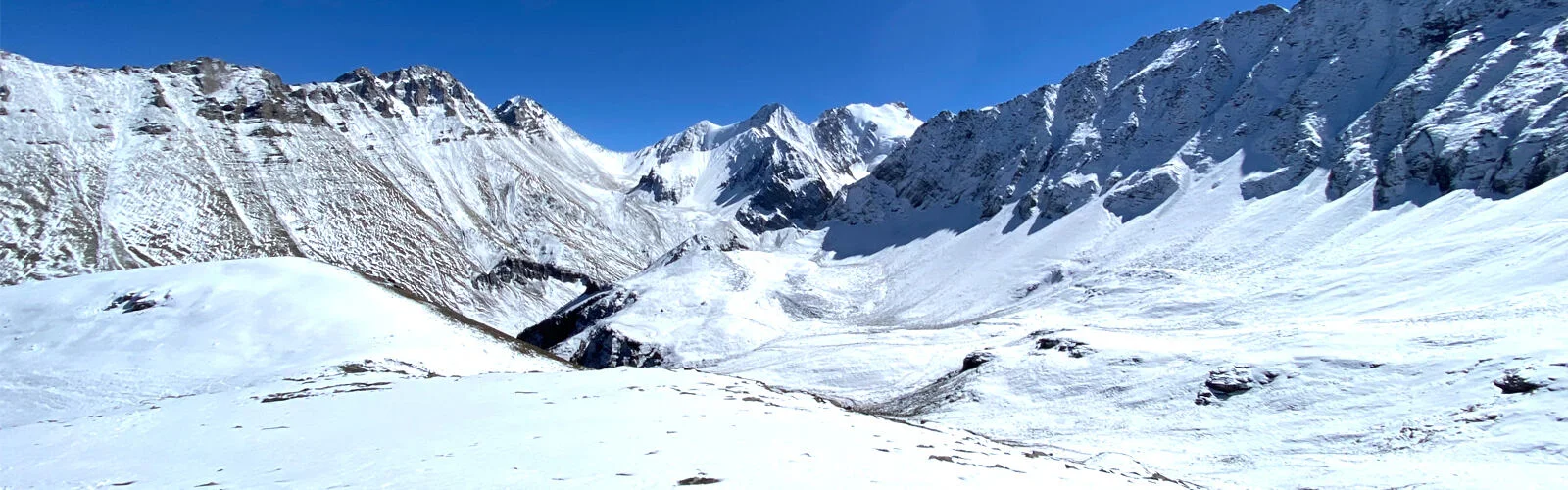
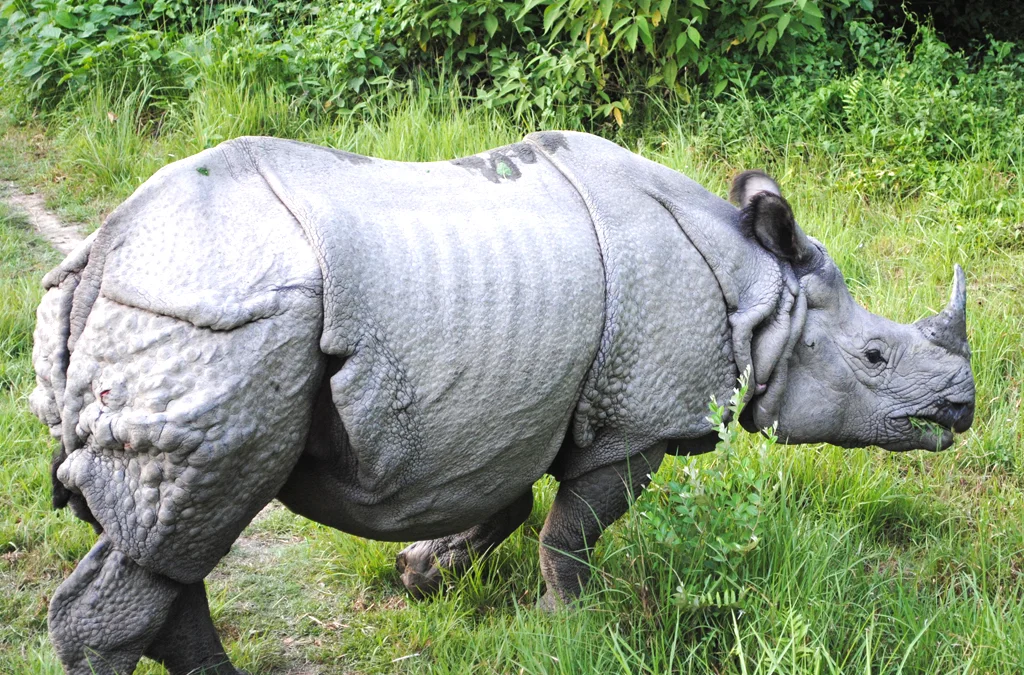
Discover the Lumba Sumba Pass Trek, a high-altitude adventure connecting Nepal’s Kanchenjunga and Makalu regions. This trek offers a unique opportunity to explore remote Himalayan landscapes, traverse challenging trails, and engage with vibrant local cultures in one of Nepal’s most secluded regions. Perfect for experienced trekkers seeking an off-the-beaten-path adventure, the Lumba Sumba Pass Trek combines breathtaking scenery with rich cultural encounters. Starting in Taplejung, at 1,441 meters, you will immerse yourself in the diverse cultural heritage of Nepal’s eastern Himalayas. Taplejung, named after a medieval Limbu king, is home to ethnic communities such as the Limbu, Sherpa, Rai, Gurung, Magar, Newar, and Tamang. This region provides a colorful introduction to local traditions, customs, and cuisine, setting the stage for your adventure. As you trek through Olangchung Gola, a remote village untouched by mass tourism, you will experience authentic highland life. The trail ascends through lush forests, alpine meadows, and crystal-clear rivers, culminating at the Lumba Sumba Pass, reaching 5,160 meters. From here, panoramic views of snow-capped peaks and expansive valleys reward your efforts. The trek then descends through the scenic Arun Valley to Tumlingtar, offering a serene conclusion surrounded by natural beauty and local culture. Permits RequiredTo undertake this trek, permits for the Kanchenjunga Conservation Area and Makalu Barun National Park are required. These areas are home to rare wildlife, including the endangered red panda and elusive snow leopard. Jagadamba Holidays manages all permit arrangements, ensuring a smooth and hassle-free journey. Safety and PrecautionsThe Lumba Sumba Pass Trek is remote and requires careful planning. Trek with a licensed, experienced guide familiar with local conditions, carry a first-aid kit, stay hydrated, and follow proper acclimatization schedules. Respect local customs when visiting villages and monasteries. Avoid trekking alone and stay updated on weather conditions. Trek DifficultyThis trek is challenging due to high altitudes, long trekking days, and remote terrain. It is ideal for trekkers with good physical fitness and prior high-altitude experience. While technical climbing is not required, thorough preparation, stamina, and mental resilience are essential. Daily trekking can range from 5–8 hours with significant ascents and descents. Training and PreparationTrain 2–3 months before your trek with cardio, strength, and endurance exercises. Multi-day hikes with a backpack help adapt your body to trekking conditions. Mental preparation is crucial for coping with limited amenities and unpredictable mountain weather. Mountain ViewsThe trek offers spectacular views of Kanchenjunga, Makalu, Kangchenjunga South, and other Himalayan giants, along with unspoiled valleys and remote highland landscapes. Crossing Lumba Sumba Pass provides one of the most panoramic vistas in eastern Nepal. Altitude Sickness and PreventionAltitude sickness can occur above 4,500 meters. Preventive measures include gradual ascent, proper hydration, avoiding alcohol, and taking acclimatization days. If symptoms persist, immediate descent is necessary. Meals and AccommodationSince this trek passes through extremely remote regions, there are no continuous teahouses along the trail. Accommodation will be provided in tents, ensuring safety and comfort in the wilderness. Meals are prepared by your trekking support team, offering Nepali-style dishes such as dal bhat, noodle soups, and momos. While basic, this arrangement provides a genuine high-altitude trekking experience, allowing you to enjoy the remote landscapes without relying on permanent lodges. Why Choose Jagadamba Holidays for Lumba Sumba Pass TrekJagadamba Holidays specializes in remote treks and ensures your safety, comfort, and cultural immersion. We handle permits, provide experienced guides and porters, arrange lodging and meals, and plan transportation to and from Taplejung and Tumlingtar. Our team ensures a smooth experience so you can focus on enjoying the trek. Things You Should KnowThe region is remote, with limited electricity, cash availability, and mobile connectivity. Weather can change quickly, so flexibility is essential. Respect local customs, especially at religious sites, and be prepared for basic facilities along the trail. Best Time to TrekThe ideal seasons are spring (March–June) and autumn (September–November), with clear skies, dry trails, and comfortable temperatures. Winter treks are possible but very cold, and monsoon treks involve heavy rainfall and muddy trails. Highlights- Crossing the remote Lumba Sumba Pass at 5,160 meters
- Stunning views of Kanchenjunga, Makalu, and other Himalayan peaks
- Experiencing authentic Limbu, Sherpa, Rai, and other highland cultures
- Trekking through untouched alpine meadows, forests, and valleys
- Spotting rare wildlife such as red panda, snow leopard, and Himalayan birds
Packing List, Gear, and Equipment- Clothing: Base layers, quick-dry shirts, fleece and down jackets, waterproof shell, trekking pants, gloves, hat, thermal underwear
- Footwear: Sturdy trekking boots, camp shoes, warm socks
- Gear: Sleeping bag (-10°C), 40–50L backpack, 20L daypack, trekking poles
- Essentials: Headlamp, sunglasses, sunscreen, lip balm, water bottles, purification tablets, first-aid kit, toiletries, power bank, snacks
Lumba Sumba Pass Trek CostCost generally includes a licensed trekking guide, porter support, permits, accommodations, meals, and ground transportation. Jagadamba Holidays provides private or group packages, ensuring competitive rates with high-quality services and safety standards.
Itinerary (Plan)
Arrive in Kathmandu, Nepal's vibrant capital, where you'll be warmly welcomed with marigold garlands. After transferring to your hotel, take time to relax and acclimate to the bustling city. Discover vibrant local markets, indulge in traditional Nepali dishes, and delve into Kathmandu's rich cultural tapestry. This initial day is perfect for easing into your journey, setting the stage for the exciting adventures ahead in Eastern Nepal. A representative from Jagadamba Holidays will ensure a smooth and pleasant arrival.
Optional Evening Activity:
If you wish, you can spend your evening experiencing the Pashupatinath Aarti, a captivating religious ceremony held at the Pashupatinath Temple. The Aarti usually begins around 6:00 PM and lasts for approximately an hour. This ceremony is a mesmerizing display of traditional music and rituals, providing a profound insight into Hindu spiritual practices. Please check the exact time for the Aarti on the day of your visit, as it may vary. This option is not included in the standard itinerary but offers a unique opportunity to immerse yourself in local culture.
Start your adventure with a domestic flight from Kathmandu to Bhadrapur Airport, which takes approximately 1 hour 15 minutes. Bhadrapur, a vibrant town in Eastern Nepal, serves as the gateway to the Kanchenjunga and Makalu regions. From the plane, enjoy breathtaking aerial views of the eastern Himalayas, rolling hills, green valleys, and glimpses of Kanchenjunga, the world’s third-highest peak. The airport is small yet efficient, surrounded by lush greenery and tea gardens, providing a serene first impression of Eastern Nepal. After landing at Bhadrapur, embark on a scenic drive to Phidim, covering around 155 km in 5–6 hours along hilly roads. The route passes terraced farmland, forested hills, and traditional villages, giving your first glimpse of rural Nepali life. Along the way, spot Himalayan birds, butterflies, and small mammals, while rivers and streams enhance the natural scenery. This picturesque drive offers excellent photography opportunities and occasional stops to stretch and interact with local communities. Arrive in Phidim, a peaceful town nestled among hills and fertile farmland. Check into your hotel or guesthouse, unwind, and enjoy a warm dinner. Phidim provides a perfect introduction to Eastern Nepal’s culture, with nearby traditional villages and welcoming locals. This day combines scenic aerial views, cultural immersion, and lush landscapes, creating a smooth and enjoyable start to your Lumba Sumba Pass Trek.
After breakfast, depart Phidim for Ranipul, covering 113 km via Taplejung with an estimated driving time of 8–9 hours. The journey passes through scenic landscapes, lush hills, and diverse ethnic communities, offering an authentic glimpse of Eastern Nepal’s rural culture, traditional villages, and natural beauty—perfect for travelers seeking Himalayan adventure and cultural experiences. Upon arrival in Ranipul, begin a moderate trek to Lelep (2,205 m / 7,238 ft), covering 2.15 km in 1–2 hours with an ascent of approximately 200 m and minor descents of about 10 m. The trail winds through forested areas, terraced farmland, and small villages, providing opportunities to observe local wildlife, including birds and small mammals, while experiencing traditional rural life. This gentle trek offers early-stage trekkers a gradual introduction to Himalayan terrain and higher-elevation trekking. Arrive in Lelep and check into lodges or campsites. Surrounded by serene landscapes and distant mountain vistas, the peaceful environment provides an ideal immersion into the Himalayan wilderness and local culture.
After a hearty breakfast in Lelep, begin the trek to Ila Danda (2 050 m / 6 725 ft), passing through the pristine wilderness of the Kanchenjunga Conservation Area in eastern Nepal. The trail offers an immersive Himalayan experience, winding through dense forests of rhododendron, oak, and pine, crossing small streams, and providing opportunities to observe Himalayan birds and wildlife such as musk deer and langur monkeys. Along the way, trekkers encounter remote villages, traditional monasteries, and scenic viewpoints, creating a blend of natural beauty and cultural insight. This trek covers a total distance of approximately 7.5 kilometres and generally takes around 5–6 hours to complete. During this stage of the journey, trekkers ascend 510 metres and descend 190 metres, making it a day of moderate difficulty with a combination of uphill climbs and gentle downhill sections. The terrain includes forested paths, terraced fields, and small stream crossings, offering a balanced and manageable trekking experience that supports gradual acclimatisation. The route begins with a steady ascent through mixed forests, where the air is filled with birdsong. Expect to cross several small streams and walk beneath dense canopies that occasionally open to reveal distant snow-capped peaks. Keep an eye out for Himalayan birds, as this area is rich in wildlife, including musk deer and langur monkeys. As the trek continues, the trail meanders across terraced hillsides, offering moments of solitude and panoramic views of surrounding valleys. A scenic suspension bridge crossing and a visit to a small hillside monastery provide cultural highlights, followed by a passage through Gowatar village, where traditional Limbu hospitality can be experienced. Shortly beyond the village, a stunning 100-metre waterfall comes into view—an unforgettable natural landmark. The final stretch leads to Ila Danda, a peaceful settlement with panoramic mountain views and a tranquil overnight stop. Surrounded by lush forests, terraced fields, and the quiet beauty of the Himalayas, this trek delivers a deeply rewarding combination of natural diversity, cultural insight, and serene Himalayan landscapes.
After a hearty breakfast in Ila Danda, embark on the trek to Selep Kharka (2 524 m / 8 277 ft), ascending through serene rhododendron forests and open alpine meadows that offer spectacular views of surrounding peaks and valleys. The trail passes through quiet streams, terraced slopes, and remote settlements, allowing trekkers to experience the untouched natural beauty of the Kanchenjunga Conservation Area while observing Himalayan birds and wildlife such as musk deer and langur monkeys. After crossing a suspension bridge, the dense forests begin to recede, giving way to grazing pastures and high-altitude meadows, often dotted with sheep and yaks, while the ascending trail provides fantastic views of the mountains. This trek covers a total distance of approximately 9 kilometres and generally takes around 7-8 hours to complete. During this stage of the journey, trekkers ascend 800 metres and descend 210 metres, making it a day of moderate difficulty with a combination of uphill climbs and gentle downhill sections. The terrain includes forested paths, alpine meadows, small stream crossings, and occasional terraced slopes, offering a balanced trekking experience suitable for gradual acclimatisation. The route begins with a steady ascent through dense rhododendron and mixed forests, where the air is filled with birdsong and the occasional rustle of wildlife. Small streams intersect the trail, providing refreshing spots along the journey. As the forest opens up, expansive alpine meadows and grazing pastures appear, offering panoramic views of the surrounding Himalayan peaks and distant valleys, making the trek both visually rewarding and peaceful. As the trek progresses, the trail meanders across terraced hillsides and gently sloping meadows, allowing trekkers to enjoy moments of solitude and connect with nature. The campsite for the night is set in one of these high-altitude meadows, providing amazing mountain views and a tranquil environment, surrounded by lush pastures, alpine scenery, and distant peaks. The combination of forest, meadow, and open vistas provides a dynamic trekking experience, while local settlements along the route offer glimpses into traditional Himalayan life.
After a hearty breakfast in Selep Kharka, begin the trek to Olangchung Gola (3 200 m / 10 499 ft), a journey that brings you higher into the Himalayas and closer to the snow-capped peaks of the region. The trail passes through alpine meadows, grazing pastures, and stretches of rhododendron forest, which are especially vibrant when in bloom during spring. Along the way, trekkers cross the Tamor River once again and are treated to sweeping views of distant Himalayan ranges, offering a glimpse of the majestic Kanchenjunga Massif. The high-altitude Tibetan-style village of Olangchung Gola introduces cultural charm, blending natural beauty with traditional architecture. This trek covers a total distance of approximately 4.5 kilometres and generally takes around 5–6 hours to complete. During this stage of the journey, trekkers ascend 650 metres and descend 100 metres, making it a day of moderate difficulty with a mixture of uphill climbs and gentle downhill stretches. The terrain includes forested trails, open meadows, and pasture lands, offering a manageable yet rewarding trekking experience as the altitude begins to rise. The route begins with a steady climb through alpine pastures interspersed with patches of rhododendron and mixed forest, where the air is crisp and the surroundings peaceful. Crossing small streams and open slopes, trekkers are immersed in the Himalayan landscape, with frequent opportunities to spot Himalayan birds and wildlife. The gentle ascent allows for acclimatisation while providing stunning panoramic views of surrounding peaks. As the trek progresses, the trail leads to the high-altitude village of Olangchung Gola, a serene settlement perched among rolling meadows with breathtaking views of snow-capped peaks. The village offers a glimpse of traditional Tibetan-style architecture and a tranquil setting to rest after the day’s hike. The campsite is set in the alpine pastures, providing a perfect vantage point to enjoy the majestic mountains and the quiet beauty of the Himalayan environment, making it a memorable and rewarding trekking day.
After a restful breakfast at Olangchung Gola, spend the day exploring the village and surrounding areas, taking time to acclimatise at high altitude in preparation for the higher elevations to come. This day offers a perfect combination of relaxation, cultural immersion, historical exploration, and scenic discovery, allowing trekkers to fully appreciate the unique character of this Tibetan-style Himalayan settlement. Olangchung Gola is perched among rolling alpine meadows and grazing pastures, offering panoramic views of the snow-capped peaks, including the majestic Kanchenjunga Massif. Historically, the village served as a key trading post on the ancient Nepal-Tibet trade route, where merchants exchanged salt, wool, and traditional Himalayan goods. Today, trekkers can explore the Sherpa village of Olangchung Gola (3 200 m / 10 499 ft, stroll through traditional Tibetan-style houses, and interact with the local community to learn about their customs, lifestyles, and rich cultural heritage. Small pathways lead to the historic monastery, reportedly over 400 years old, where visitors can witness traditional Buddhist rituals and prayer ceremonies, reflecting centuries of spiritual and cultural history. During the day, explore the surrounding alpine meadows and grazing pastures, often dotted with yaks and sheep, providing a glimpse of traditional Himalayan pastoral life. The nearby rhododendron forests, particularly vibrant during spring, create a serene environment perfect for nature walks, photography, and wildlife observation, including Himalayan birds and small mammals. The gentle terrain makes this day ideal for easy trekking, high-altitude acclimatisation, and leisurely exploration. In the afternoon, trekkers can relax at the campsite or village guesthouse, enjoying the crisp mountain air and the tranquility of the high-altitude Himalayan landscape. This rest day at Olangchung Gola provides a unique opportunity to combine historical insights, cultural exploration, spiritual encounters, and scenic enjoyment, preparing trekkers for the next stage of the journey while creating unforgettable Himalayan experiences.
After a hearty breakfast at Olangchung Gola, begin the trek to Upper Langmale (4 010 m / 13 155 ft), ascending through alpine pastures, rhododendron forests, and high-altitude pine groves. The trail offers panoramic Himalayan mountain views, snow-capped peaks, and deep valleys, providing an immersive high-altitude trekking experience. Today’s climb is significant, making yesterday’s acclimatisation day essential. This trek covers approximately 8.5 kilometres and generally takes around 6–7 hours to complete. During this stage, trekkers ascend 820 metres with a minimal descent of 10 metres, making it a day of moderate difficulty. The trail starts with gentle alpine pastures but soon becomes more rugged with scree and moraines, while windy and chilly conditions add to the high-altitude challenge. Occasional snow patches require careful footing, so maintaining a steady pace and using trekking poles is recommended. Along the route, observe grazing yaks and sheep, experience traditional Himalayan pastoral life, and enjoy stunning mountain panoramas. The trail passes through sparse alpine forests and rocky slopes, offering opportunities for photography, wildlife observation, and nature walks. The Upper Langmale campsite provides a tranquil high-altitude setting with majestic peaks, rocky terrain, and alpine wilderness, combining adventure, scenic beauty, and high-altitude trekking for a memorable Himalayan experience.
After a hearty breakfast at Upper Langmale, begin the trek to Pass Camp (4 460 m / 14 632 ft), also known as Lumba Sumba Pass Camp, ascending through steep alpine slopes, rocky terrain, and high-altitude meadows. Today’s trail follows the Tamor River, offering scenic views of the flowing water and surrounding valleys. You may stop near the village of Tangchetar for lunch before continuing the same distance to reach your overnight destination. The climb is more challenging than previous days, but the trail remains manageable for trekkers who have been gradually acclimatising. This trek covers approximately 4.5 kilometres and generally takes around 5–6 hours to complete. During this stage, trekkers ascend 440 metres and descend 10 metres, making it a day of moderate difficulty with steep uphill sections. The trail features rocky paths, loose scree, and occasional snow patches, requiring careful footing and a steady pace. Along the route, enjoy panoramic views of surrounding snow-capped peaks and alpine meadows, with the serenity of high-altitude wilderness surrounding you. Your guide will brief you over snacks and tea on what to expect when crossing the Lumba Sumba Pass (5 177 m / 16 985 ft) the following day, helping you mentally and physically prepare for the challenging high-altitude crossing. Arriving at Lumba Sumba Pass Camp, trekkers are rewarded with stunning Himalayan vistas and a peaceful high-altitude campsite, providing the perfect setting to rest and acclimatise. Try to rest as much as possible tonight, as tomorrow’s crossing of Lumba Sumba Pass will be the most demanding stage of the trek. This section combines steep climbing, Himalayan adventure, and alpine scenery, making it a memorable and rewarding high-altitude trekking experience.
After an early pre-dawn breakfast at Pass Camp, begin the most challenging stage of the trek, crossing the Lumba Sumba Pass (5 160 m / 16 985 ft) en route to Chauri Kharka (4 598 m / 15 091 ft). This long and demanding day requires a very early start to ensure you complete the pass before the high winds typically pick up in the late morning. The trail today traverses snowfields, rocky slopes, and steep alpine terrain, offering an intense high-altitude trekking experience. This trek covers approximately 11 kilometres and generally takes around 8-9 hours to complete. Trekkers ascend 690 metres and descend 970 metres, making it a day of moderate difficulty with steep climbs and careful descents. The trail can be treacherous in sections, particularly when crossing deep snowfields and icy patches, so maintaining a steady pace and careful footing is essential. Trekking poles and proper high-altitude gear are recommended. From the top of Lumba Sumba Pass, trekkers are rewarded with 360° panoramic views of the high Himalayas, including the Kanchenjunga Massif, Makalu, Cho Oyu, Lhotse, and numerous other peaks and glaciers. The descent offers stunning perspectives of the Arun Valley as you enter the Makalu Barun region, with expansive alpine landscapes, deep valleys, and high-altitude meadows. Make your way slowly and carefully down to Chauri Kharka, a tranquil high-altitude campsite at 4 598 m / 15 091 ft, surrounded by majestic Himalayan peaks, alpine pastures, and rugged terrain. This section combines challenging high-altitude climbing, breathtaking mountain vistas, and Himalayan adventure, creating a truly memorable trekking day. Once at the campsite, rest and recover in preparation for the next stage of the journey, taking in the serenity of the Makalu Barun region.
After breakfast at Chauri Kharka, begin the trek to Thumdan (3 500 m / 11 483 ft), descending through alpine meadows, scattered rocky slopes, and high-altitude pastures. Today’s trail provides a welcome change in terrain as the altitude drops considerably, revealing more vegetation, bamboo forests, and traditional Sherpa villages. The surrounding landscape offers panoramic views of the Makalu region’s snow-capped peaks and the distant Tibet border, creating a unique blend of natural beauty and cultural insight. This trek covers approximately 6 kilometres and generally takes around 5-6 hours to complete. Trekkers ascend 10 metres and descend 690 metres, making it a day of easy difficulty with a scenic downhill gradient. The trail passes alongside the Chhujung Khola (river) and through patches of bamboo forest, offering opportunities for nature observation, photography, and wildlife spotting. Along the descent, trekkers can enjoy the peacefulness of the alpine meadows, observe traditional Sherpa houses, and interact with the local community, gaining insights into their daily life and customs. The combination of lush vegetation, flowing rivers, and towering Himalayan peaks makes this stage particularly rewarding after the high-altitude challenges of the previous days. Arriving at Thumdan, trekkers are greeted with a tranquil village setting surrounded by verdant hills and mountain panoramas, perfect for resting and acclimatising for the next stage. This section of the trek combines scenic alpine descent, cultural experiences, and Himalayan vistas, providing a memorable and rejuvenating high-altitude trekking experience.
After a hearty breakfast at Thumdan, begin the trek to Yak Kharka (2 800 m / 9 186 ft), descending through dense forests, bamboo groves, and streams. Today’s trail follows the Chhujung River, offering a peaceful and immersive experience of Himalayan nature and village life. The landscape gradually opens to cultivated fields and terraced farmland, reflecting the increasing habitation at lower altitudes, and providing an opportunity to observe traditional rural life in the Makalu region. This trek covers approximately 9 kilometres and generally takes around 5-6 hours to complete. Trekkers ascend 360 metres and descend 1 030 metres, making it a day of moderate difficulty with a mix of gentle climbs and longer downhill sections. The terrain includes forested paths, stream crossings, and cultivated land, offering a balanced and engaging trekking experience. Along the route, trekkers can enjoy bird watching in the bamboo and forested areas and may even catch a glimpse of the elusive red panda, which inhabits the Makalu Barun National Park. The combination of flowing streams, dense vegetation, and Himalayan fauna creates a unique opportunity to connect with nature. Arriving at Yak Kharka, trekkers are welcomed by a serene high-altitude settlement surrounded by lush hills and snow-capped peaks, offering a tranquil campsite for rest and acclimatisation. This stage of the trek provides a blend of Himalayan adventure, wildlife observation, and cultural immersion, making it a memorable experience for trekkers.
After breakfast at Yak Kharka, begin the descent towards Chyamtang (2 229 m / 7 313 ft), following a beautiful trail through thick rhododendron and bamboo forests. Today’s trek offers a rewarding blend of natural wilderness and cultural immersion, as you pass beneath canopies alive with birdsong, flowing streams, and forested slopes rich in Himalayan flora and fauna. The trail gradually leads downhill towards the Arun River, one of the major river systems of eastern Nepal. This trek covers approximately 9 kilometres and generally takes around 5-6 hours to complete. Trekkers ascend 590 metres and descend 1 210 metres, making it a day of moderate difficulty with significant downhill sections and a short, final ascent. The terrain features forest paths, suspension bridge crossings, and rocky slopes, offering an engaging mix of natural landscapes ideal for trekking enthusiasts. The first section of the trek is predominantly downhill, weaving through dense rhododendron forests often blooming in vibrant colours during the spring. After descending towards the river valley, trekkers cross a suspension bridge over the Arun River, surrounded by deep gorges and cascading waters. This marks the transition to the next phase of the trek, as the trail gently ascends towards the village of Chyamtang, a traditional Sherpa settlement known for its warm hospitality, ancient culture, and terraced landscapes. Upon reaching Chyamtang, trekkers are welcomed by charming Sherpa homes, prayer flags, and views of stepped farmland and distant Himalayan ridges. This destination offers an ideal opportunity to observe local Himalayan life, interact with the Sherpa community, and rest amidst the tranquillity of rural Nepal. The combination of downhill forest trekking, river crossings, and cultural experiences makes this stage of the journey both refreshing and memorable.
After breakfast in Chyamtang, begin the long and scenic trek to Hatiya (1 595 m / 5 233 ft), descending through dense forests and terraced hillsides as you enter the iconic Arun Valley. This day’s journey offers a dramatic change in terrain and vegetation, transitioning from rhododendron and bamboo forests to the warm, fertile subtropical foothills of eastern Nepal. As you make your way toward Hatiya, the landscape becomes more populated, with cultivated fields, traditional farms, and charming hillside hamlets adding to the cultural richness of the route. This trek covers approximately 17.5 kilometres and generally takes around 8 hours 8 minutes to complete. Trekkers descend 2 390 metres and ascend 1 360 metres, making this one of the more difficult days on the trek due to its long duration and demanding elevation change. The trail features a mix of forest paths, stepped terraces, riverside walks, and village routes, requiring endurance and careful pacing throughout the day. The route descends steeply through cool and shaded forests, where the air is fresh and rich with the scent of pine and wildflowers. As you continue, the heartrate-elevating descent gives way to gentler slopes, broadening into terraced farmland and cultivated hillsides – a strong sign of increased human habitation at lower elevations. Along the way, trekkers may encounter traditional irrigation channels, stone trails, and locals working in the fields, providing insight into life in the rural hills of eastern Nepal. Upon reaching Hatiya, you officially enter the Makalu Barun National Park, a protected region known for its rich biodiversity, scenic river valleys, and dramatic mountain backdrops. The village itself is home to the Bhote community, also known as Bhotiya people, who are indigenous to the Himalayan border regions. These communities are known for their rich cultural heritage, traditional stone houses, and warm hospitality. Hatiya offers a peaceful atmosphere with its terraced fields, traditional architecture, and a sense of seclusion in the lower foothills. The combination of dense forest trekking, rural cultural interaction, and entry into a pristine national park makes this stage of the journey both challenging and deeply rewarding.
After breakfast in Hatiya, begin the trek to Gola Village (1 128 m / 3 701 ft), descending through lush sub-tropical greenery along the scenic Arun Valley. Today’s journey takes you past one of the most significant natural landmarks in the region – the confluence of the Arun and Barun Rivers, where the glacial waters of the high Himalayas meet. This stage of the trek offers an engaging blend of natural beauty, cultural experiences, and a glimpse into the daily life of local communities in the lowland villages of eastern Nepal. This trek covers approximately 11 kilometres and generally takes around 5-6 hours to complete. Trekkers descend 570 metres and ascend 100 metres, making it a day of moderate difficulty with a combination of short climbs and longer downhill sections. The trail features riverbank paths, lush forests, terraced fields, and village walkways, making it ideal for those looking to enjoy both nature and local culture. As you follow the trail along the Arun River, the terrain becomes increasingly fertile, rich with vegetation, and dotted with small farms, fruit orchards, and traditional homes. Passing through local markets and rural settlements, trekkers have an opportunity to experience the vibrant local trade of the region, where villagers sell and barter goods, fostering an atmosphere of community interaction and cultural authenticity. Gola, a small and quiet settlement, welcomes you with its terraced terraces, traditional dwellings, and warm hospitality. The village offers a tranquil setting where you can relax and absorb the serene environment, framed by forested hills and flowing rivers. This stage of the trek showcases a gentle transition to the lowlands, enriched by lush greenery, Himalayan river culture, and rural heritage, completing a memorable journey through the eastern foothills.
After breakfast in Gola, begin your final trekking day towards Hedangna Gadhi (1 179 m / 3 868 ft), following a gentle descent through terraced rice fields, subtropical forests, and rural farmland. This trek offers an easy and comforting finish to your remote Himalayan journey, transitioning from dense wilderness to the more populated foothills of eastern Nepal. Along the route, you will witness a gradual shift from forested landscapes to more cultivated farmlands, which illustrates the connection between highland villages and lowland agriculture. This trek covers approximately 14 km and generally takes around 6–7 hours to complete. Trekkers ascend 640 m and descend 580 m, making it a day of moderate difficulty. The trail passes through forests, terraced farmland, and small villages, offering scenic views and a gentle trekking experience. This stage provides ample opportunity to enjoy the landscape, interact with local communities, and experience the peaceful atmosphere of the Himalayan foothills before reaching Hedangna Gadhi. After a couple of hours of walking, you arrive in Pathivara, a Gurung village that stands out for its lively atmosphere compared to the remote settlements of earlier trekking days. Here, you will find tea shops, small local stores, and friendly villagers, offering an excellent opportunity to enjoy a soft drink and sample local cookies or snacks. This hospitable stop is a wonderful way to celebrate your final trekking day — and yes, perhaps today is the perfect occasion to enjoy two soft drinks! Continuing downhill, the trail leads you to Hedangna Gadhi, a tranquil rural village surrounded by terraced farmlands and low-altitude greenery. The peaceful setting, community warmth, and natural environment make this the ideal place to spend your last night on the trail. Tonight, reflect on your trekking experience, from high passes and glacial valleys to lush forests and cultural encounters. This final stage celebrates the diversity of landscapes and life in the Himalayas, offering a gentle and memorable conclusion to your adventure.
After a hearty breakfast in Hedangna Gadhi, begin a short trek downhill to Num (1,560 m / 5,118 ft), passing through forests, terraced farmland, and rural trails. This final segment of your trek is gentle and relaxed, allowing you to soak in the scenic landscapes of Eastern Nepal one last time. Along the way, enjoy views of lush valleys, cultivated fields, and distant Himalayan peaks, while observing local village life and traditional farming practices. The trail stretches over 11.5 km and usually requires 4 to 5 hours of trekking, with a total ascent of 760 m and a descent of 410 m. This balanced final trekking day offers a chance to reflect on the journey, appreciate the natural beauty, and capture some last memorable photographs of the region’s rich cultural and ecological diversity before descending to Num Village. Upon reaching Num Village, transfer by private jeep to Tumlingtar Airport (518 m / 1,699 ft), traveling through rural villages, terraced fields, and rolling hills, including a passage through Khandbari Bazar. The drive covers approximately 45.5 km and typically takes 3 to 4 hours, offering a picturesque descent from the high mountains to the lower valleys. Along the way, enjoy panoramic views of the surrounding hills, rivers, and rural settlements. This drive offers a relaxing and scenic finale to your Lumba Sumba Pass trek. Upon arrival at Tumlingtar Airport, you can reflect on your trekking experience, recalling the remote alpine meadows, challenging high passes, and breathtaking Himalayan vistas you have encountered. From tranquil valleys and terraced farmlands to the warmth of local communities, this final stage completes your journey with a peaceful, scenic, and memorable ride through Eastern Nepal.
Fly from Tumlingtar to Kathmandu, where you will enjoy a scenic 40-minute flight with panoramic views of the Himalayas. As you soar over the eastern Himalayan ranges, marvel at the snow-capped peaks, deep valleys, and winding rivers below. The aerial journey provides a unique perspective of Nepal’s dramatic landscapes, including glimpses of Kanchenjunga and surrounding high mountains. Upon arrival in Kathmandu, the vibrant energy of the capital city will greet you, with its bustling streets, colorful markets, and rich cultural tapestry. Take the day to unwind, acclimate to the city’s rhythm, and explore at your own pace—whether it’s strolling through historic squares, savoring traditional Nepali cuisine, or enjoying a peaceful café in the heart of Thamel. Optional Activities (Available at an Additional Cost):
If you’re in the mood for some sightseeing, consider visiting Boudhanath Stupa, one of the largest and most important Buddhist stupas in Nepal. The massive mandala offers a peaceful atmosphere perfect for reflection and meditation. Alternatively, a trip to Pashupatinath Temple, the holiest Hindu shrine in Nepal, will allow you to witness the evening Aarti ceremony by the sacred Bagmati River, a spiritual experience unlike any other. For those seeking a more cultural exploration, Kathmandu Durbar Square provides an incredible window into Nepal’s history, with its palaces, temples, and courtyards displaying centuries-old architecture. If you prefer a quieter, more serene experience, head to Patan Durbar Square, where you can stroll through this ancient royal complex and admire intricate Newar art, carvings, and the stories of Nepalese heritage. After a day filled with culture, history, and breathtaking views, relax and unwind in one of Kathmandu’s famous rooftop restaurants or cafés. Enjoy a hot cup of traditional Nepali tea while taking in panoramic views of the city skyline and the distant Himalayan peaks. Alternatively, simply wander through the lively streets of Thamel, soak up the vibrant atmosphere, and prepare for the next stage of your Himalayan adventure.
This contingency day in Kathmandu is built into your trekking itinerary as a safeguard against possible flight delays from Tumlingtar, which are common due to unpredictable Himalayan weather. Including this buffer day provides flexibility, allowing trekkers to manage unforeseen changes without stress and ensuring a smooth journey after trekking in Nepal’s remote regions. By planning extra time, you gain peace of mind and avoid disruption to your international schedule. If flights operate as scheduled, the buffer day in Kathmandu becomes an excellent chance to unwind after your trek or explore the cultural treasures of the Kathmandu Valley, a UNESCO World Heritage Site. Highlights include Kathmandu Durbar Square, with its palaces, temples, and the Kumari Ghar (home of the living goddess), Swayambhunath Stupa overlooking the city, the sacred Boudhanath Stupa, and Pashupatinath Temple along the Bagmati River. Each site offers unique insight into Nepal’s spiritual and historical heritage. For a lighter experience, you may stroll through the vibrant streets of Thamel, relax at a spa, or browse the local bazaars for souvenirs. This contingency buffer day not only protects your itinerary from delays but also enriches your Himalayan adventure with options for Kathmandu exploration, cultural tours, or relaxation. Whether adjusting travel schedules or discovering Nepal’s heritage, the day ensures your trek ends on a balanced and memorable note.
Concluding Your Journey in Nepal
As your remarkable journey through the Himalayas comes to an end, take a moment to reflect on the awe-inspiring natural beauty, rich cultural heritage, and memorable experiences that have defined your time in Nepal. From the majestic mountain landscapes to the warm hospitality of the local communities, every moment has contributed to an unforgettable adventure.
Airport Transfer by Jagadamba Holidays
To ensure a smooth and timely departure, an official representative from Jagadamba Holidays will collect you from your hotel 3.5 hours prior to your scheduled flight departure. Our team is committed to providing a reliable and comfortable transfer service to Tribhuvan International Airport, allowing you to conclude your journey with peace of mind.
We sincerely appreciate your trust in Jagadamba Holidays and hope to have the pleasure of serving you again on your future journeys.
Group Size & Pricing
| Group Size (Pax) |
2 - 3 |
4 - 5 |
6 - 7 |
8 - 9 |
10 - 12 |
13 - 16 |
17 - 20 |
21 - 24 |
25 - 32 |
| Cost Per Person |
$5,022 |
$4,950 |
$4,880 |
$4,810 |
$4,740 |
$4,670 |
$4,600 |
$4,530 |
$4,460 |
Cost Include
- All transfers within Nepal are included as per itinerary
- Any domestic flight of Nepal as per trekking itinerary
- Trekking accommodation (hotel, lodge and/or tent) as per itinerary
- Small shared room with shared bathroom during trek in Nepal
- In Kathmandu and/or Pokhara: Stay at ***Hotel with breakfast
- Luggage for porters during the trek (12.5 kg/person)
- 3 meals (Breakfast, Lunch and Dinner) during the trek
- Unlimited tea or coffee for breakfast during the trek
- An English speaking guide (trekking/tour) as per Itinerary
- Travel insurance for trekking staff (guides and porters)
- All expenses of trekking staff(s) during trekking
- Conservation/National park entry fees
- Any special tour/trekking/climbing permits
- Sightseeing / Wildlife tours if included in the itinerary
- Farewell dinner in Kathmandu before returning home
Cost Exclude
- Single room/single tent surcharge (on request)
- Round trip/one way international flight ticket to Nepal.
- Tourist visa for Nepal (30-50 $, depending on length of stay)
- Personal Insurance (covers: Trip/flight cancellation, helicopter rescue)
- Meals (lunch, dinner) at hotels in Kathmandu, Pokhara and other cities
- Gratuity for trekking staff (recommended: 9€ /10$ per traveler per day)
- Drinks (soft, hot or mineral/boiled water) during the lodge trek
- Any personal trekking and/climbing equipment for trekking in Nepal
- Hotel expenses in case of early return from trekking for any reason
- Costs due to flight cancellations & extra porters/horses during the trek
- Any additional service and KTM – Lukla helicopter shuttle flight cost
- Additional costs incurred due to any reason beyond Jagdamba’s control
- More evidence about pandemics like COVID-19 if needed in the future.
- Personal expenses during the trek (phone, wifi, shower, charging etc.)
- Other costs and things that are not mentioned in the service inclusion
|




 Trip Overview
 Travel Itinerary
 Cost Includes
 Cost Excludes
 Fixed Departure
 Route Map

 Freqeuntly Asked Questions
 Reviews And Rating