NAR PHU VALLEY TREK
US$2,070.00
/pp
-
16 Days
-
Hidden Himalayas
-
Spring/Autumn
-
Trekking
-
5,306 Meters
-
Hard
-
Car / Plane
-
02-16 People
-
JH#288
 Overviews
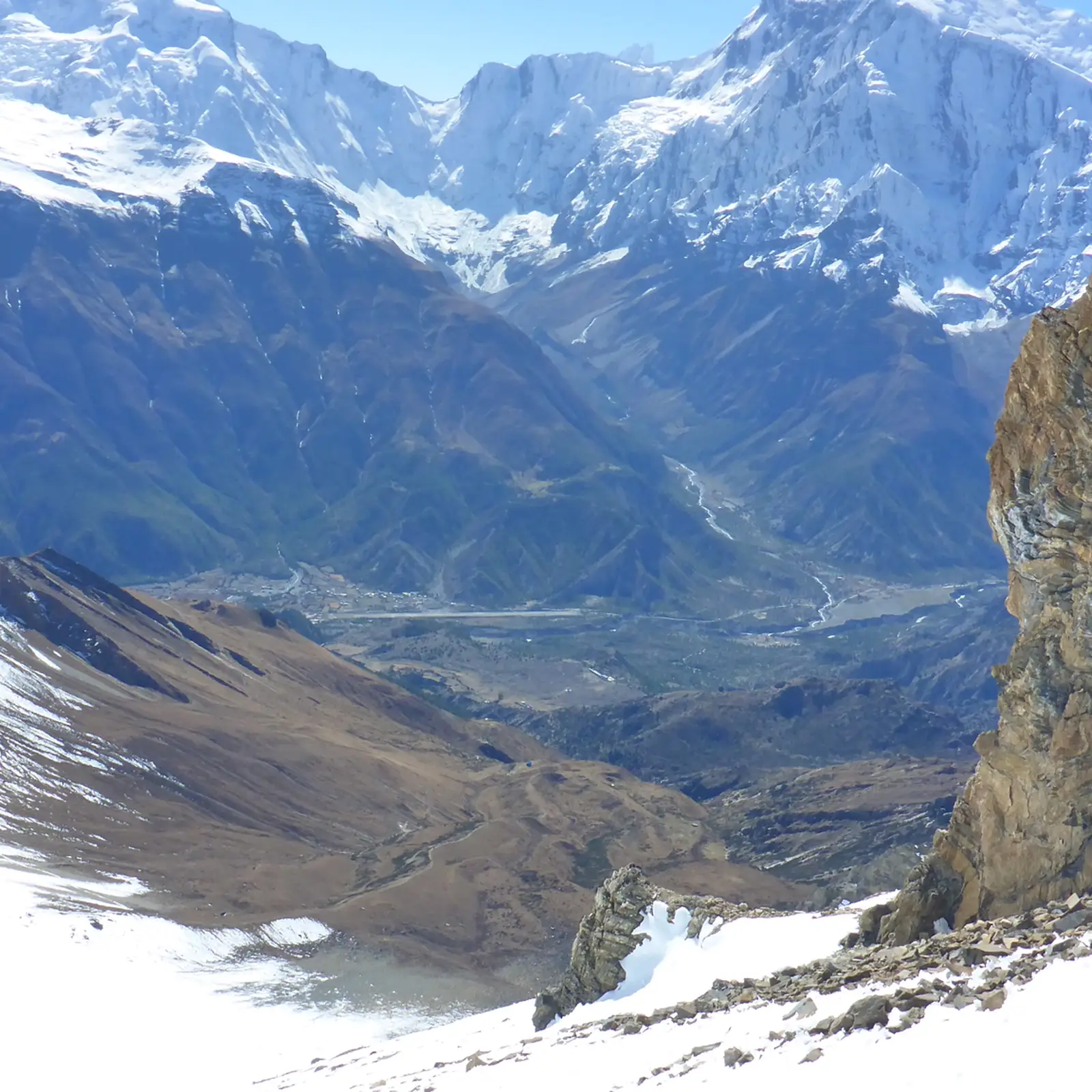
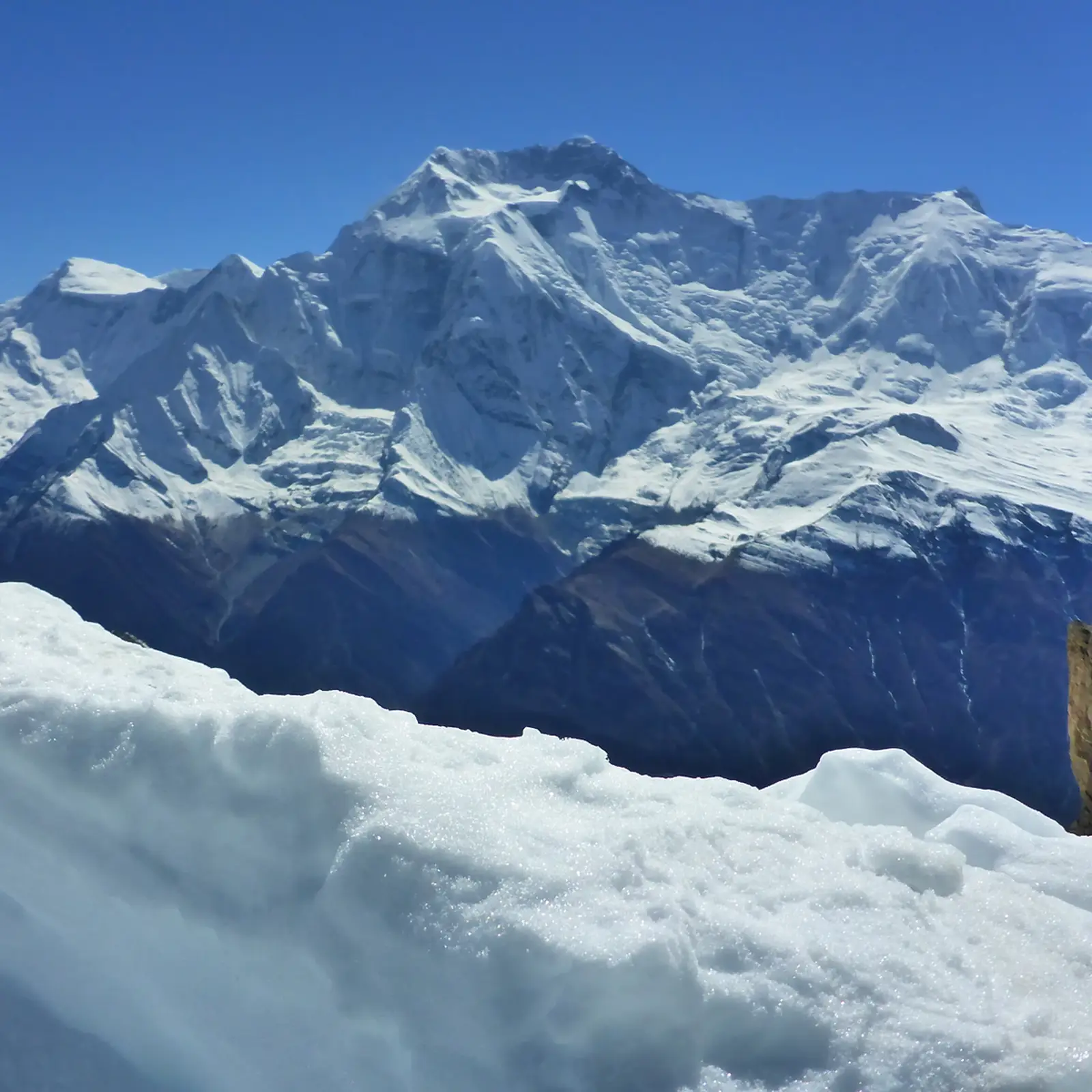
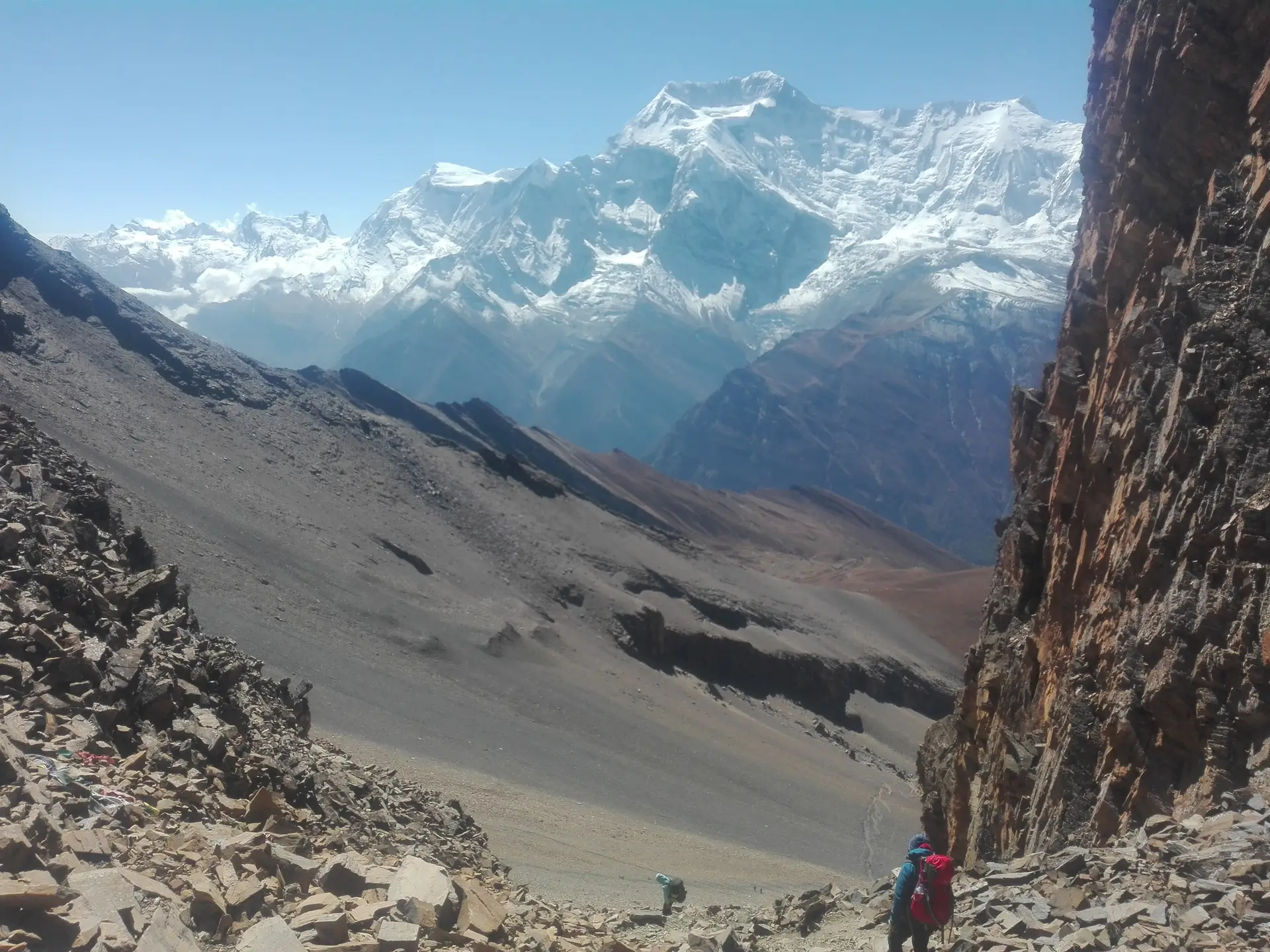
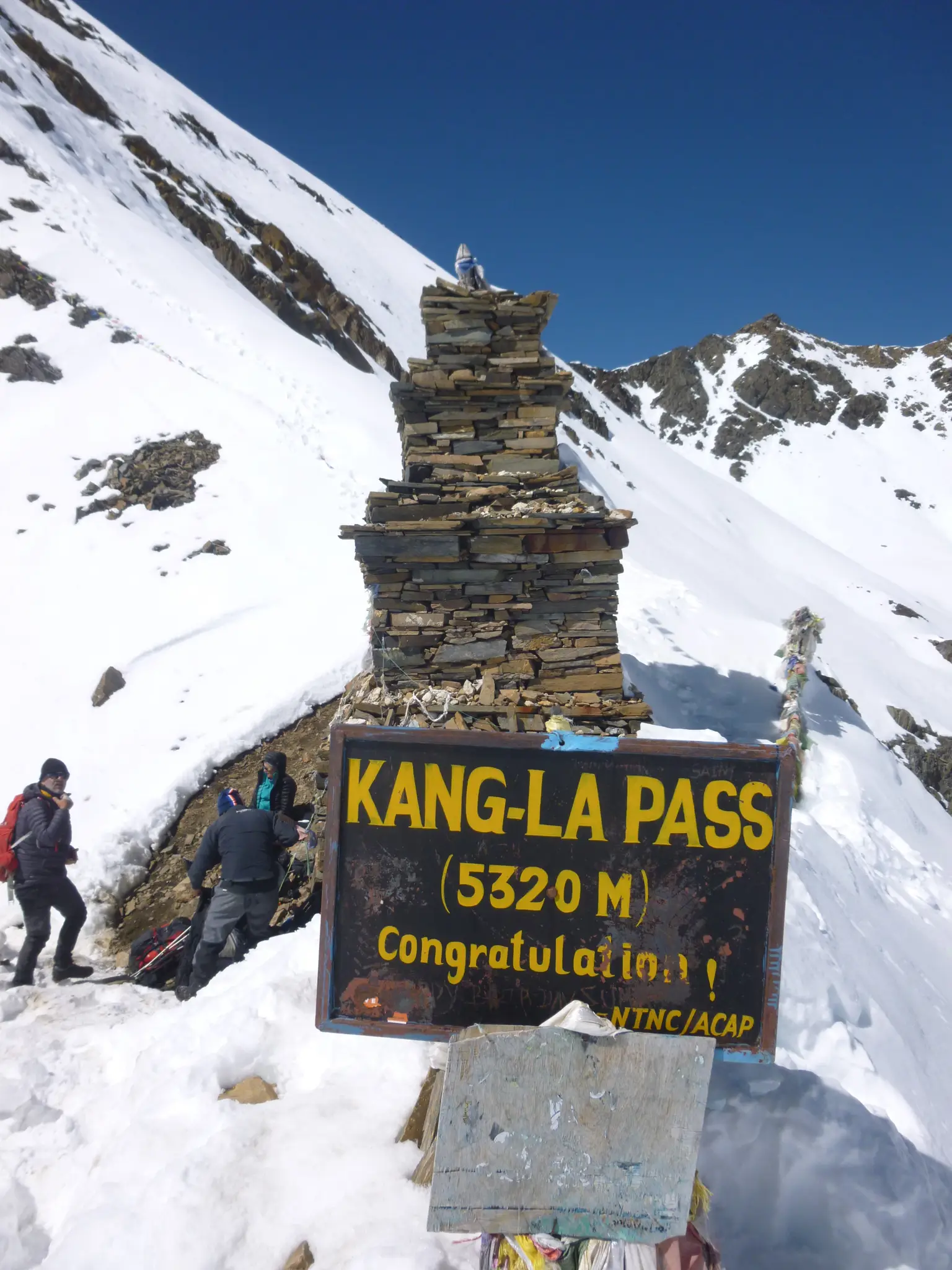
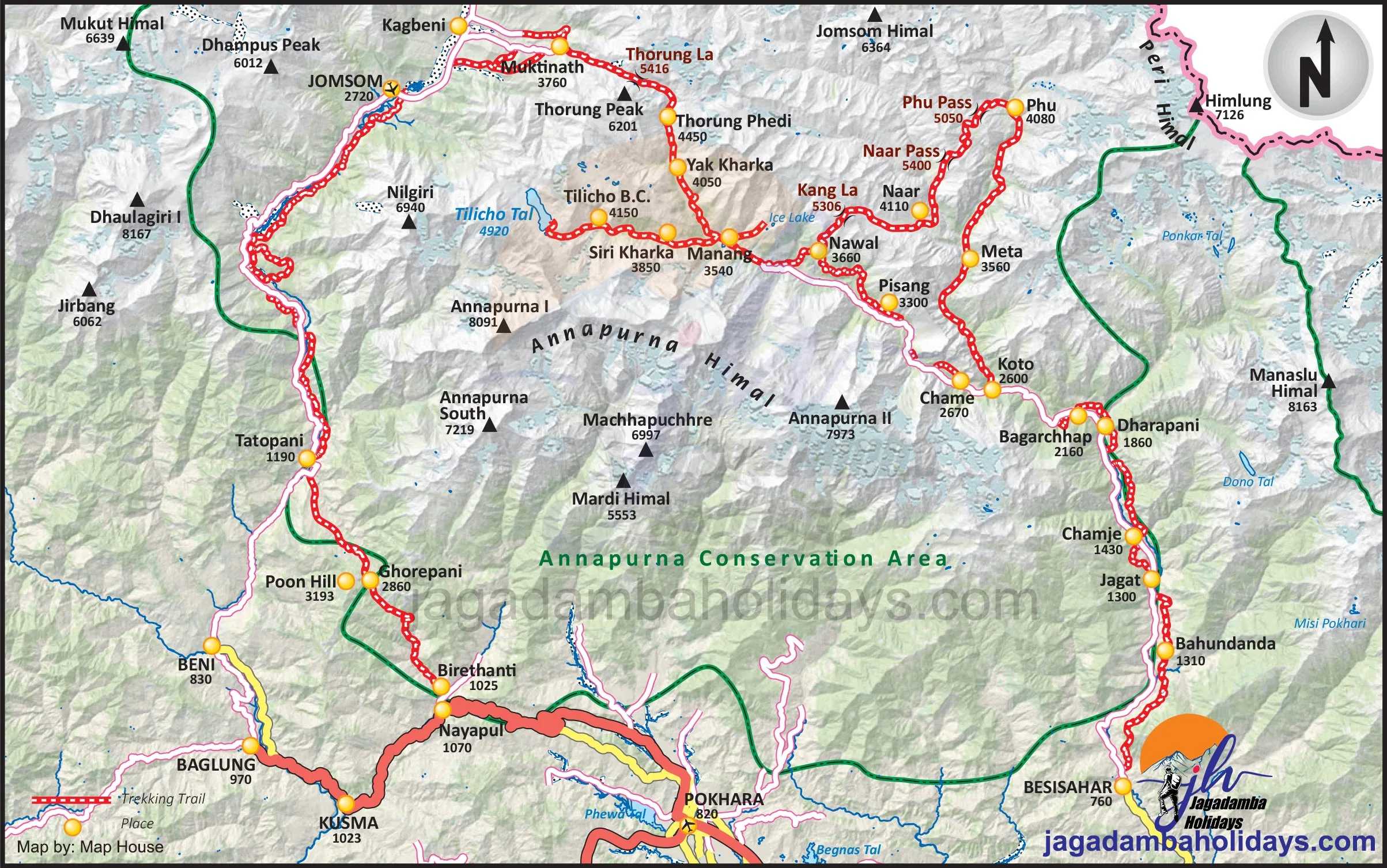
The Nar Phu Valley Trek, also known as the Kang La Pass Trek, is one of Nepal’s most remarkable Himalayan adventures—an inspiring journey into the remote northern valleys of the Annapurna region. This trek combines breathtaking mountain landscapes, deep-rooted Tibetan Buddhist culture, and the authentic lifestyle of isolated Himalayan communities. Managed by Jagadamba Holidays, this scenic and cultural journey begins and ends at Besishahar, the gateway to the classic Annapurna Circuit Trek. Opened to foreign trekkers in 2003, the Nar Phu Valley remains an untouched region where time seems to stand still. The trail gradually ascends through dense forests, terraced fields, and narrow gorges before revealing the remote settlements of Nar and Phu. These two ancient villages are among the last strongholds of traditional Himalayan civilization, offering a rare glimpse into authentic Tibetan-influenced life. Prayer flags flutter in the mountain breeze, while centuries-old monasteries like Tashi Lhakhang Gompa symbolize the deep spiritual connection of the people to Buddhism. One of the most exhilarating highlights of this trek is the crossing of Kang La Pass (5,320 m / 17,454 feet), a high-altitude challenge that connects Nar with the Manang Valley. The effort is rewarded with an awe-inspiring panorama of the Annapurna II, Dhaulagiri, Manaslu, Lamjung Himal, and Tilicho Peak ranges. Standing atop this Himalayan viewpoint, trekkers witness one of Nepal’s most magnificent mountain vistas. Beyond its natural beauty, the Nar Phu Valley and Kang La Pass Trek provides an exceptional cultural encounter. The local people, of Tibetan origin, continue to practice age-old customs, dress in traditional attire, and follow Buddhist monastic education. Their lifestyle, centered on yak herding and subsistence farming, reflects the resilience and simplicity of life in Nepal’s highlands. This off-the-beaten-path trek in Nepal is perfect for travelers seeking both adventure and serenity. It combines sections of the famous Annapurna Circuit with the untouched wilderness of the Trans-Himalayan region, offering unmatched diversity in scenery and culture. Every step unfolds new experiences—from peaceful monasteries and rocky cliffs to high mountain passes and quiet valleys where few trekkers venture. With professional logistics, experienced local guides, and genuine hospitality from Jagadamba Holidays, the Nar Phu Valley Trek ensures a safe, enriching, and unforgettable journey into one of Nepal’s most pristine and culturally vibrant corners.
Itinerary (Plan)
Arrive in Kathmandu (1,400 m / 4,593 feet), Nepal's vibrant capital, where you'll be warmly welcomed with marigold garlands. After transferring to your hotel, take time to relax and acclimate to the bustling city. Discover vibrant local markets, indulge in traditional Nepali dishes, and delve into Kathmandu's rich cultural tapestry. This initial day is perfect for easing into your journey, setting the stage for the exciting adventures ahead in Eastern Nepal. A representative from Jagadamba Holidays will ensure a smooth and pleasant arrival.
Optional Evening Activity:
If you wish, you can spend your evening experiencing the Pashupatinath Aarti, a captivating religious ceremony held at the Pashupatinath Temple. The Aarti usually begins around 6:00 PM and lasts for approximately an hour. This ceremony is a mesmerizing display of traditional music and rituals, providing a profound insight into Hindu spiritual practices. Please check the exact time for the Aarti on the day of your visit, as it may vary. This option is not included in the standard itinerary but offers a unique opportunity to immerse yourself in local culture.
After breakfast at the hotel, begin your guided sightseeing tour of Kathmandu Valley, a cultural heart of Nepal that blends history, spirituality, and architectural brilliance. Today’s exploration introduces you to the timeless heritage of the valley through its most sacred Hindu and Buddhist landmarks. Accompanied by an experienced city guide from Jagadamba Holidays, you will visit three of Kathmandu’s most revered UNESCO World Heritage Sites. Pashupatinath Temple:
Start your day at Pashupatinath, one of the holiest Hindu temples dedicated to Lord Shiva. Situated along the sacred Bagmati River, this temple complex is a vibrant spiritual center where pilgrims, priests, and sadhus gather for worship. The site offers deep cultural insight into Nepal’s Hindu traditions, including the symbolic rituals performed on the riverbanks. Boudhanath Stupa:
Next, visit the majestic Boudhanath Stupa, one of the largest Buddhist stupas in the world. Its massive white dome, adorned with the all-seeing eyes of Buddha, radiates peace and harmony. Circumambulate the stupa with monks and devotees spinning prayer wheels, and soak in the serene atmosphere surrounded by Tibetan monasteries and traditional rooftop cafés. Patan Durbar Square:
In the afternoon, explore Patan Durbar Square, located in the ancient city of Lalitpur. This magnificent royal courtyard showcases exquisite Newar architecture, intricately carved temples, and historical monuments. Highlights include the Krishna Mandir, the golden palace, and traditional artisan workshops where metal and wood craftsmen preserve centuries-old skills. Return to your hotel in the evening to rest and prepare for the upcoming Himalayan adventure.
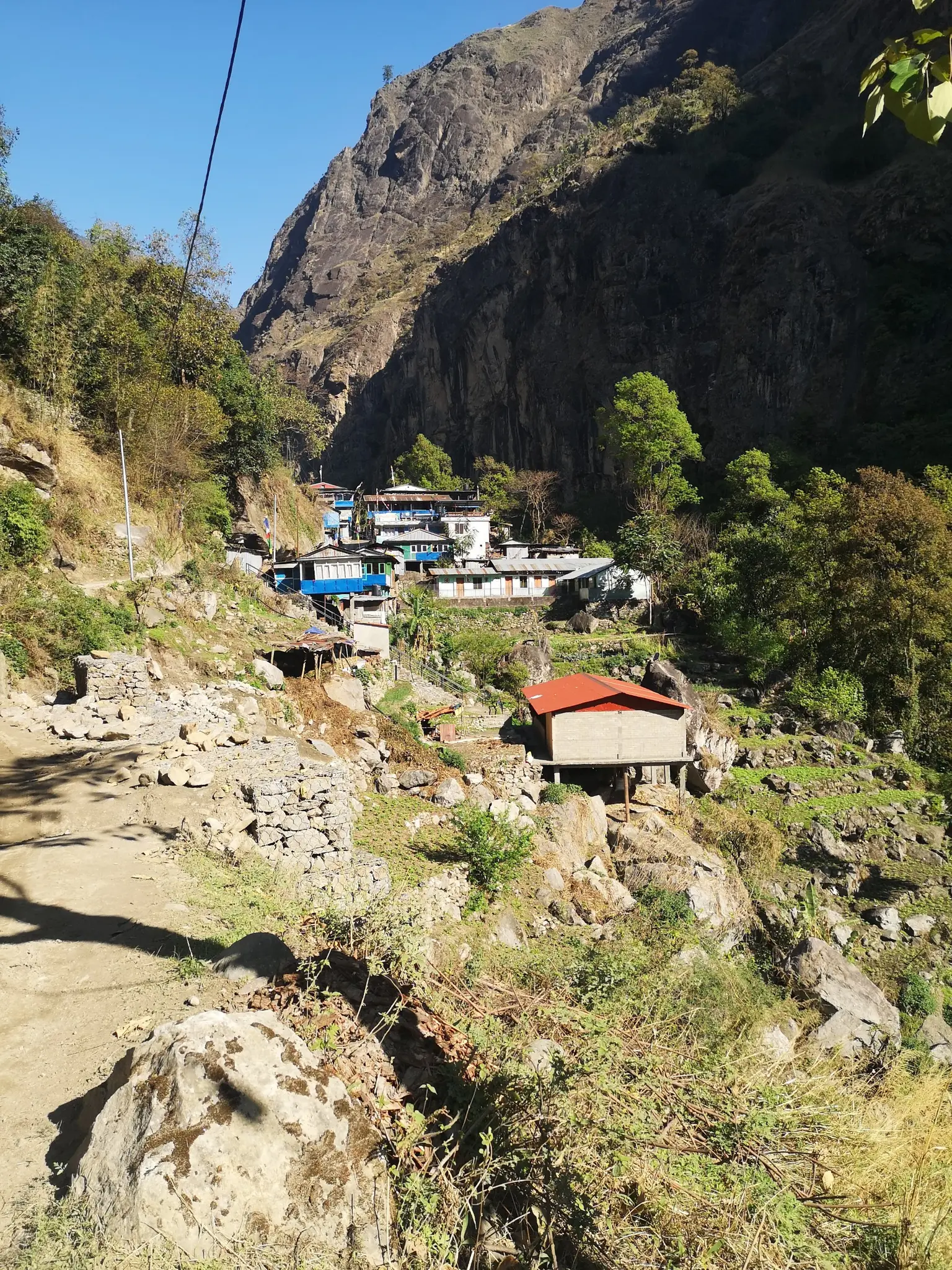
After breakfast at the hotel, embark on a scenic drive from Kathmandu to Jagat, a picturesque Gurung village in the Lamjung District, located at an altitude of 1,300 meters (4,265 feet). This journey marks the beginning of your trek into the Nar Phu Valley and the Annapurna Conservation Area, offering your first glimpse into Nepal’s mid-hill landscapes and vibrant rural life. The drive spans approximately 200 kilometers and takes 8 to 9 hours, following the Prithvi Highway westward along the Trishuli and Marshyangdi Rivers. As the road winds through green hills and fertile valleys, you’ll pass bustling roadside towns, terraced farmlands, and charming villages surrounded by forested ridges. The journey showcases the scenic beauty of central Nepal, where lush vegetation, cascading waterfalls, and distant Himalayan peaks come into view. Upon arrival in Jagat (1,300 m / 4,265 feet), settle into your teahouse and enjoy a hearty dinner prepared with local ingredients. The village, known for its traditional stone houses and warm hospitality, lies beside the Marshyangdi River and offers a serene setting to relax before the trek begins. Jagat serves as the official entry point to the Annapurna Conservation Area and the gateway to the remote Nar Phu Valley, making it the perfect place to rest and prepare for your Himalayan adventure ahead.
After a hearty breakfast at the lodge in Jagat, trekkers set off on the scenic journey toward Dharapani (1,860 m / 6,102 ft), passing through the charming Tal Village (1,700 m / 5,577 ft). This leg of the Annapurna Circuit Trek offers a perfect blend of Himalayan landscapes, cultural experiences, and moderate trekking. The trek spans approximately 15 kilometers, typically taking 5–6 hours to complete. Along the route, trekkers ascend around 850 meters over forested paths and gentle slopes, while descending roughly 220 meters through serene valleys and alongside streams. The gradual climbs and descents make this section accessible for beginners while still providing breathtaking panoramic views. The trail passes through dense forests, terraced fields, and alongside the Marsyangdi River, crossing several suspension bridges that offer spectacular views of the flowing water and surrounding green hills. Along the way, trekkers pass through quaint villages, where traditional stone houses, prayer flags, and local farming practices provide insight into authentic Himalayan culture. Dharapani, a bustling village blending Tibetan and local cultures, is a key stop on the Annapurna Circuit. The village offers various amenities, including lodges, restaurants, and shops, making it a comfortable place to rest and prepare for the next day’s trek. Visitors can enjoy local cuisine, explore the surroundings, and immerse themselves in the vibrant culture before continuing their Himalayan adventure.
After a hearty breakfast at the lodge in Dharapani, trekkers embark on the scenic Dharapani to Koto trek, part of the Nar Phu Valley trekking adventure in Nepal. This day introduces travelers to lush forests, terraced farmlands, and traditional Himalayan villages, providing a perfect blend of natural beauty, cultural experiences, and moderate trekking challenges. The trek spans approximately 14.5 kilometres and typically takes 5–6 hours, with an ascent of around 950 m and a descent of 220 m. The trail follows the Marshyangdi River and crosses several suspension bridges, offering panoramic views of the surrounding hills and distant Himalayan peaks. Along the way, trekkers pass through small villages like Tal and Danaque, where Tibetan-influenced culture, stone houses, and local hospitality create an authentic Himalayan experience. As the trail climbs, the scenery shifts from subtropical forests to pine and rhododendron woodlands, interspersed with open meadows and cascading streams. Numerous vantage points along the route allow trekkers to admire Lamjung Himal, Annapurna II, and distant Manaslu, making each step visually rewarding and perfect for photography. The route also gives glimpses of local farming life and traditional stone pathways, enhancing the cultural immersion of the journey. Upon arrival in Koto (2,600 m / 8,530 ft), trekkers are welcomed by a quiet village surrounded by rugged hills and stunning mountain vistas. The village offers cozy teahouses, small eateries, and friendly locals, providing a comfortable environment to rest and acclimatize. Koto serves as an important stop on the Annapurna Circuit and Nar Phu Valley trekking route, preparing trekkers for higher-altitude sections while offering a rich cultural experience. This segment of the trek combines moderate trekking challenges with breathtaking Himalayan landscapes and cultural encounters, making it an ideal introduction to the Nar Phu Valley adventure and setting the stage for the days ahead.
After a hearty breakfast at the lodge in Koto, trekkers begin the scenic journey toward Meta (3,560 m / 11,680 ft), a tranquil forested area in the Himalayan mid-hills. The trail provides a gentle transition to higher elevations while highlighting the Nepal Himalayan landscapes and the cultural richness of remote villages. Along the way, prayer flags flutter across ridgelines, and small settlements showcase traditional stone houses and Tibetan-influenced culture, offering trekkers both adventure and cultural immersion on the Nar Phu Valley trek. The trek spans approximately 16 kilometres, taking 7–8 hours, with an ascent of 1,280 m and minimal descent of 290 m, making it a moderate trekking day suitable for acclimatization. The path passes suspension bridges, small streams, and open meadows, providing glimpses into rural life along the Nar Phu Valley route. This section perfectly combines scenic Nepal trekking, Himalayan adventure, and high-altitude mountain exploration, offering trekkers both challenge and spectacular natural beauty. As trekkers move through dense pine and rhododendron forests, they experience the Annapurna region’s rich biodiversity. Langurs, Himalayan pheasants, and various bird species enliven the forest trail, while occasional clearings reveal stunning views of Lamjung Himal and Annapurna II, ideal for photography, mountain vistas, and Nepal Himalayan trekking experiences. Upon arrival at Meta (3,560 m / 11,680 ft), trekkers rest at a peaceful forest camp or teahouse surrounded by panoramic Himalayan vistas. This segment combines moderate trekking challenges, forest immersion, and breathtaking Nepal Himalayan landscapes, making it an unforgettable day in the heart of Nepal’s high-altitude wilderness.
After a hearty breakfast at the lodge in Meta, trekkers begin the scenic ascent toward Phu Gaon (4,080 m / 13,385 ft), a remote village nestled in the high Himalayas. This section of the Nar Phu Valley trek highlights stunning Himalayan landscapes, traditional Tibetan-influenced villages, and the unique cultural heritage of the region. Along the trail, prayer flags, stone houses, and ancient monasteries provide glimpses into the rich Himalayan culture, making the journey both adventurous and culturally immersive. The trek spans approximately 18.5 kilometres and takes 7–8 hours, featuring an ascent of 930 m and a descent of 480 m, making it a moderate to challenging day suitable for acclimatization. The trail follows well-marked ridgelines, rocky paths, and occasional suspension bridges, offering spectacular vistas of the surrounding Himalayan peaks and valleys. Trekkers pass through open meadows, rushing streams, and remote hamlets, providing authentic insight into traditional Himalayan village life. This section combines physical challenge with cultural and natural immersion, making it ideal for experienced hikers, adventure travelers, and those seeking high-altitude trekking experiences in Nepal. As trekkers ascend through high-altitude pine and juniper forests, they encounter Himalayan wildlife such as pheasants, Himalayan monals, and langurs. Occasional clearings reveal panoramic views of Annapurna II, Lamjung Himal, and the distant Manaslu range, making this segment perfect for photography, mountain vistas, and Nepal Himalayan trekking experiences. The combination of natural beauty and cultural richness ensures an unforgettable adventure in the high Himalayas. Upon arrival at Phu Gaon (4,080 m / 13,385 ft), trekkers are welcomed by a traditional Himalayan village with stone houses, teahouses, and friendly locals. The village provides a restful environment for acclimatization, surrounded by panoramic Himalayan vistas. This segment of the Nar Phu Valley trek seamlessly blends moderate trekking challenges, cultural immersion, and breathtaking high-altitude landscapes, creating a memorable Himalayan adventure.
After a well-deserved restful morning in Phu Gaon (4,080 m / 13,385 ft), trekkers can immerse themselves in the serene high-altitude Himalayan environment. Nestled in a remote valley of the Nar Phu region, Phu Gaon is a traditional Tibetan-influenced village known for its stone houses, narrow winding lanes, and fluttering prayer flags. The village lies against a backdrop of majestic Himalayan peaks, offering panoramic views of Lamjung Himal, Annapurna II, and the distant Manaslu range, making it a perfect spot for photography and quiet reflection. A rest day in Phu provides the ideal opportunity for acclimatization while exploring the unique Himalayan culture. Visitors can stroll through the village streets, observe the locals’ daily life, and learn about traditional customs, yak herding practices, and Buddhist rituals. The ancient monasteries and gompas in Phu Gaon are key cultural landmarks, offering insight into the region’s spiritual heritage. One notable site is Tashi Lhakhang Gompa, a historic Buddhist monastery in Phu Gaon, providing both spiritual insight and panoramic Himalayan views. This monastery is an important spiritual and cultural hub, making Phu Gaon one of the most culturally significant villages on the Nar Phu Valley trek. Nature enthusiasts can explore the surrounding meadows, alpine pastures, and nearby streams, observing Himalayan flora and fauna, including Himalayan pheasants, langurs, and migratory birds. Trekking along the quiet forested ridges and highland paths around Phu offers breathtaking views and opportunities to connect with the pristine Himalayan environment. This day also allows for photography, sketching, or simply relaxing amid the panoramic high-altitude landscapes. Phu Gaon also serves as a strategic acclimatization point before trekkers continue toward Nar village and deeper into the Nar Phu Valley, reducing the risk of altitude sickness and ensuring a safe and enjoyable trekking experience. The combination of cultural immersion, Himalayan serenity, and natural beauty makes a rest day in Phu Gaon an essential and unforgettable part of the Nar Phu Valley trekking adventure in Nepal.
After breakfast at the lodge in Phu Gaon, trekkers embark on an inspiring Himalayan journey toward Naar Phedi (3,490 m / 11,450 ft), following one of the most scenic and culturally rich sections of the Nar Phu Valley Trek. The morning begins with breathtaking views of Himlung Himal, Annapurna II, and Lamjung Himal, as the golden light of dawn touches the stone-built houses and fluttering prayer flags of Phu. This route marks a fascinating transition from the high alpine valleys of Phu to the more arid lower Himalayan terrain, where every turn reveals sacred monuments, ancient Buddhist trails, and timeless Tibetan-influenced heritage. Each step reflects the harmony between nature and culture that defines life in Nepal’s remote mountain regions. This captivating day covers roughly 15 kilometers over 6–7 hours of trekking, featuring a descent of 960 meters and an ascent of 440 meters through dramatic ridgelines, windswept valleys, and centuries-old caravan routes. The well-marked path passes mani walls, stone cairns, and colorful prayer flags symbolizing blessings for travelers. The route’s moderate challenge is balanced by its tranquil atmosphere, pristine scenery, and cultural depth, offering one of the most rewarding high-altitude trekking experiences in Nepal. Encounters with yak herders and mountain villagers highlight the enduring simplicity and resilience of Himalayan life. Leaving Phu Gaon behind, trekkers gradually descend through open meadows and rocky ridges, passing the revered Tashi Lhakhang Gompa, an ancient monastery associated with Lama Karma Sonam Rinpoche. The trail continues across sacred chortens, narrow gorges, and occasional suspension bridges spanning glacial streams. The landscape is strikingly diverse—vast alpine pastures give way to rugged cliffs and barren slopes dotted with juniper and wild herbs. The silence of the trail, broken only by the wind and the call of mountain birds, invites reflection and connection with the natural world. Upon reaching Naar Phedi (3,490 m / 11,450 ft), a peaceful settlement set beside a glacial stream and enclosed by steep cliffs, trekkers find simple yet welcoming teahouse accommodation. The location provides the perfect resting point before the next day’s climb to Naar Village. Evenings here are serene, with the soothing sound of the river echoing through the valley and the star-filled Himalayan sky above. This stage of the journey beautifully blends Himalayan wilderness, spiritual serenity, and authentic cultural discovery, making it one of the most memorable highlights of the Nar Phu Valley Trek.
After breakfast at the teahouse in Naar Phedi, trekkers embark on a short yet spectacular Himalayan trek to Naar Village (4,110 m / 13,484 ft)—one of the most culturally rich and isolated settlements in the Nar Phu Valley of Nepal. The morning trail unfolds with breathtaking views of Annapurna II, Pisang Peak, and Kangaru Himal, as soft golden light illuminates the barren cliffs and alpine pastures of the Manang region. This section of the Nar Phu Valley Trek perfectly captures the essence of remote Nepal trekking, combining high-altitude adventure with deep-rooted Tibetan Buddhist culture. The route is lined with mani walls, colorful prayer flags, and stone chortens, reflecting the spiritual energy that defines life in this Himalayan sanctuary. This scenic day covers 5 kilometers and takes around 3–4 hours of trekking, featuring a 670-meter ascent and a 10-meter descent. The gradual climb passes through ancient yak herder trails, stone-paved paths, and terraced slopes that open up to sweeping views of the Annapurna Himalayas and surrounding valleys. The trail is both meditative and visually stunning, offering ideal opportunities for photography, cultural exploration, and nature observation. Every turn unveils the raw beauty of Nepal’s high-altitude desert landscapes, where wind-carved cliffs meet sky-touching peaks—a paradise for trekkers seeking off-the-beaten-path adventures in the Annapurna Conservation Area. As the trail ascends toward Naar Village, the terrain broadens into a windswept plateau framed by majestic Himalayan summits. Naar Village welcomes trekkers with clusters of traditional stone houses, Buddhist monasteries, and the warmth of local villagers who live in harmony with the mountains. This ancient village preserves centuries-old customs, spiritual rituals, and communal living inspired by Tibetan Buddhism. The panoramic vistas of Annapurna II, Gangapurna, and Manaslu from the village ridge are simply breathtaking, offering one of the best viewpoints in the Nar Phu Valley. Upon arrival, trekkers settle into cozy teahouse accommodations, where they can savor traditional Himalayan meals and experience genuine mountain hospitality. The tranquil atmosphere of Naar Village makes it an ideal place for rest and acclimatization before crossing the high Kang La Pass (5,320 m / 17,454 ft)—one of the most spectacular viewpoints in the Annapurna trekking region. This day beautifully blends Himalayan adventure, cultural immersion, and spiritual serenity, making it one of the most memorable highlights of the Nar Phu Valley Trek in Nepal.
After a hearty breakfast at the teahouse in Naar Village, trekkers embark on the challenging yet exhilarating Kang La Pass trek toward Ngawal Village (3,660 m / 12,008 ft), one of the most scenic routes in the Nar Phu Valley and the Annapurna region of Nepal. The trail ascends through high Himalayan ridges, alpine meadows, and windswept valleys, offering panoramic views of Annapurna II, Gangapurna, Tilicho Peak, and the Manaslu range. This segment represents the ultimate high-altitude adventure, combining breathtaking Nepal Himalayan landscapes with Tibetan-influenced culture, mani walls, and prayer flags that mark this sacred Himalayan route. The trek covers approximately 16 kilometers and takes 9–10 hours, featuring a significant ascent of 1,120 m to Kang La Pass (5,320 m / 17,454 ft) and a descent of 1,650 m to reach Ngawal Village. The trail is moderately to highly challenging, demanding physical stamina, focus, and proper acclimatization. Trekkers navigate rocky ridges, glacial streams, and narrow alpine paths, occasionally crossing suspension bridges and open highland passes. This section of the Nar Phu Valley Trek rewards trekkers with unobstructed views of snow-capped Himalayan peaks and unique opportunities to observe Himalayan wildlife, including yaks, Himalayan monals, and alpine birds. Upon summiting Kang La Pass (5,320 m / 17,454 ft), trekkers are treated to one of Nepal’s most spectacular high-altitude viewpoints, overlooking rugged peaks of the Annapurna and Manaslu regions and the remote valleys of Nar and Phu. The descent toward Ngawal Village reveals semi-arid highlands dotted with stone-built houses, ancient monasteries, and yak pastures. The village preserves centuries-old Tibetan Buddhist traditions, with prayer flags, chortens, and local temples creating a serene spiritual atmosphere. This trek blends extreme Himalayan natural beauty with rich cultural immersion, making it a highlight for trekking enthusiasts, photographers, and adventure travelers. Upon arrival at Ngawal Village, trekkers find cozy teahouses offering warm hospitality, hearty Nepalese mountain meals, and a tranquil environment to rest and acclimatize after the demanding day. Surrounded by panoramic Himalayan vistas, Ngawal serves as an ideal base before continuing the Nar Phu Valley trek or exploring further into the Annapurna Conservation Area. The Kang La Pass trek to Ngawal Village perfectly combines high-altitude adventure, scenic Himalayan trekking, cultural discovery, and spiritual serenity, making it an unforgettable chapter in Nepal adventure travel.
After a hearty breakfast at the teahouse in Ngawal Village (3,660 m / 12,008 ft), trekkers enjoy a rest and leisure day in this serene Himalayan settlement. Ngawal serves as a strategic buffer day on the Nar Phu Valley Trek, allowing flexibility in case weather conditions delay the crossing of Kang La Pass (5,320 m / 17,454 ft). The village provides panoramic Himalayan views, including Annapurna II, Gangapurna, Tilicho Peak, and the Manaslu range, making it an ideal setting for photography, relaxation, and gentle exploration. Ngawal is a traditional Tibetan-influenced village with stone houses, narrow lanes, and Buddhist monasteries adorned with prayer flags and chortens. Trekkers can stroll through the village, observe local life, interact with villagers, and explore Ngawal Monastery, offering insight into the spiritual and cultural heritage of the Nar Phu Valley. Ancient murals, local rituals, and the serene temple environment highlight the Buddhist traditions and Himalayan culture. For nature enthusiasts, nearby meadows, ridgelines, and alpine streams provide opportunities to observe Himalayan wildlife, including yaks, Himalayan monals, and pheasants, while enjoying the crisp mountain air and tranquil surroundings. The scenic environment is perfect for photography, sketching, or simply absorbing the beauty of the high Himalayan landscapes. If weather conditions are favorable, trekkers can continue the scheduled trek, crossing Kang La Pass and descending toward the next destination, ensuring the itinerary proceeds without delay. Even if the buffer day is not needed for weather, it provides the chance to trek at a more comfortable pace, enjoy additional sightseeing, and rest before continuing toward the ending point of the Nar Phu Valley Trek. The teahouses in Ngawal Village offer cozy accommodation, hearty Nepalese meals, and a peaceful retreat, making this day a flexible yet essential component of the trek. This day combines Himalayan serenity, cultural immersion, and trekking flexibility, ensuring an enjoyable and memorable experience on the Nar Phu Valley Trek in Nepal.
After breakfast at the teahouse in Ngawal Village, trekkers embark on a long yet rewarding Himalayan journey toward Chame (2,670 m / 8,760 ft), passing through some of the most picturesque valleys in the Annapurna region of Nepal. The trail descends gradually from Ngawal along high ridgelines, alpine meadows, and terraced slopes, offering panoramic views of Annapurna II, Gangapurna, Lamjung Himal, and the surrounding peaks. This segment of the Nar Phu Valley Trek provides a unique combination of cultural immersion, scenic landscapes, and high-altitude trekking adventure. Along the path, prayer flags flutter, mani walls mark sacred spaces, and traditional stone houses highlight the enduring Tibetan-influenced culture of the region. The trek spans approximately 24 kilometers and takes 7–8 hours, featuring a descent of 1,400 m and a moderate ascent of 410 m. Trekkers follow well-marked trails that traverse forested slopes, river valleys, and occasional suspension bridges, passing small villages and remote hamlets where locals tend livestock and maintain centuries-old farming traditions. This stage offers an ideal mix of natural beauty and cultural exposure, allowing trekkers to experience authentic Himalayan village life while enjoying spectacular mountain vistas and diverse landscapes. As trekkers descend, the environment transitions from high-altitude alpine terrain to lush river valleys lined with pine, rhododendron, and oak forests. Wildlife sightings may include Himalayan pheasants, langurs, and migratory birds. The path reveals hidden Himalayan landscapes, including terraced fields, cascading streams, and dramatic cliffs, providing ample opportunities for photography, nature observation, and quiet reflection. Upon arrival in Chame Chame (2,670 m / 8,760 ft), the administrative center of the Manang district, trekkers are welcomed by teahouse accommodations offering warm hospitality, hearty Nepalese meals, and a restful environment. Chame serves as a convenient base for acclimatization, resupply, and preparation for the next stages of the Annapurna Circuit or further Nar Phu Valley explorations. This day blends high-altitude trekking, scenic Himalayan landscapes, and cultural discovery, making it a memorable chapter in the Nepal Himalayan adventure.
After breakfast at the teahouse in Chame, trekkers embark on an invigorating Himalayan journey toward Taal Village (1,700 m / 5,577 ft), passing through the picturesque Dharapani Village and stunning valleys of the Annapurna region of Nepal. This section of the Annapurna Circuit Trek and Nar Phu Valley Trek offers a combination of scenic river valleys, terraced farmlands, and lush forests, making it a rewarding experience for Nepal adventure travelers and cultural explorers alike. Along the route, trekkers encounter prayer flags, mani walls, and traditional stone houses that reflect the enduring Tibetan-influenced culture of the Manang district. The trek covers approximately 23 kilometers and takes around 7–8 hours, with a moderate ascent of 320 m and a descent of 1,330 m, making it a moderately challenging yet highly scenic day. The trail follows well-marked paths along the Marsyangdi River, crossing suspension bridges and winding through villages and hamlets where locals maintain centuries-old farming and livestock traditions. Trekkers are treated to sweeping views of Lamjung Himal, Annapurna II, and surrounding Himalayan peaks, providing excellent opportunities for photography, nature observation, and mountain appreciation. As the trail progresses, the landscape transitions from high-altitude alpine terrain to lush riverine valleys filled with pine, rhododendron, and oak forests. The route passes through fertile farmland and grazing pastures, offering glimpses of Himalayan wildlife such as Himalayan pheasants, langurs, and migratory birds. The combination of natural beauty and cultural immersion creates an unforgettable trekking experience in the heart of the Nepal Himalayas. Upon arrival at Taal Village (1,700 m / 5,577 ft), a charming village perched beside the river, trekkers find comfortable teahouse accommodations serving warm Nepalese meals and providing a peaceful setting to rest after the day’s trek. Taal serves as a strategic stop for acclimatization, resupply, and preparation for further trekking toward Jomsom or connecting routes of the Annapurna Circuit. This trek beautifully blends scenic Himalayan landscapes, traditional mountain culture, and adventure trekking, making it an essential highlight of Nepal Himalayan adventure travel.
After breakfast at the teahouse in Taal Village, travelers embark on a long but incredibly scenic drive to Kathmandu, passing through the heart of the Annapurna region and the gateway town of Besishahar. The route winds along the Marsyangdi River, crossing lush valleys, terraced farmlands, and traditional Himalayan villages, offering a final opportunity to experience the breathtaking natural beauty and rich Nepalese culture of the mid-hills. The journey spans approximately 209 km and takes 9–10 hours, covering winding mountain roads, riverside stretches, and forested foothills. Along the way, travelers pass charming villages, observe centuries-old farming traditions, and see clusters of stone houses adorned with prayer flags, reflecting the enduring Tibetan-influenced Himalayan culture. Panoramic views of Lamjung Himal, Annapurna II, and other surrounding peaks provide excellent opportunities for photography, Himalayan sightseeing, and appreciation of rural Nepalese life. This drive highlights Nepal’s diverse landscapes, from high-altitude alpine terrain to lush subtropical forests, cascading streams, and small river crossings. Frequent stops can be made for refreshments, sightseeing, and enjoying the scenic beauty of the Annapurna foothills. Travelers witness the harmony between Nepalese countryside life, the Himalayan backdrop, and traditional mountain communities. Upon arrival in Kathmandu (1,400 m / 4,593 feet), travelers are transferred to their hotel to relax after the long but rewarding journey. This scenic drive marks the conclusion of the Annapurna Circuit Trek and Nar Phu Valley adventure, providing a comfortable and visually stunning transition from remote high-altitude trekking to the vibrant urban and cultural heart of Nepal.
Concluding Your Journey in Nepal
As your remarkable journey through the Himalayas comes to an end, take a moment to reflect on the awe-inspiring natural beauty, rich cultural heritage, and memorable experiences that have defined your time in Nepal. From the majestic mountain landscapes to the warm hospitality of the local communities, every moment has contributed to an unforgettable adventure.
Airport Transfer by Jagadamba Holidays
To ensure a smooth and timely departure, an official representative from Jagadamba Holidays will collect you from your hotel 3.5 hours prior to your scheduled flight departure. Our team is committed to providing a reliable and comfortable transfer service to Tribhuvan International Airport, allowing you to conclude your journey with peace of mind.
We sincerely appreciate your trust in Jagadamba Holidays and hope to have the pleasure of serving you again on your future journeys.
Group Size & Pricing
| Group Size (Pax) |
2 - 3 |
4 - 5 |
6 - 7 |
8 - 9 |
10 - 12 |
13 - 16 |
17 - 20 |
21 - 24 |
25 - 32 |
| Cost Per Person |
$1,863 |
$1,800 |
$1,770 |
$1,740 |
$1,710 |
$1,680 |
$1,650 |
$1,620 |
$1,590 |
Cost Include
- All transfers within Nepal are included as per itinerary
- Any domestic flight of Nepal as per trekking itinerary
- Trekking accommodation (hotel, lodge and/or tent) as per itinerary
- Small shared room with shared bathroom during trek in Nepal
- In Kathmandu and/or Pokhara: Stay at ***Hotel with breakfast
- Luggage for porters during the trek (12.5 kg/person)
- 3 meals (Breakfast, Lunch and Dinner) during the trek
- Unlimited tea or coffee for breakfast during the trek
- An English speaking guide (trekking/tour) as per Itinerary
- Travel insurance for trekking staff (guides and porters)
- All expenses of trekking staff(s) during trekking
- Conservation/National park entry fees
- Any special tour/trekking/climbing permits
- Sightseeing / Wildlife tours if included in the itinerary
- Farewell dinner in Kathmandu before returning home
Cost Exclude
- Single room/single tent surcharge (on request)
- Round trip/one way international flight ticket to Nepal.
- Tourist visa for Nepal (30-50 $, depending on length of stay)
- Personal Insurance (covers: Trip/flight cancellation, helicopter rescue)
- Meals (lunch, dinner) at hotels in Kathmandu, Pokhara and other cities
- Gratuity for trekking staff (recommended: 9€ /10$ per traveler per day)
- Drinks (soft, hot or mineral/boiled water) during the lodge trek
- Any personal trekking and/climbing equipment for trekking in Nepal
- Hotel expenses in case of early return from trekking for any reason
- Costs due to flight cancellations & extra porters/horses during the trek
- Any additional service and KTM – Lukla helicopter shuttle flight cost
- Additional costs incurred due to any reason beyond Jagdamba’s control
- More evidence about pandemics like COVID-19 if needed in the future.
- Personal expenses during the trek (phone, wifi, shower, charging etc.)
- Other costs and things that are not mentioned in the service inclusion
|




 Trip Overview
 Travel Itinerary
 Cost Includes
 Cost Excludes
 Fixed Departure
 Route Map
 Freqeuntly Asked Questions
 Reviews And Rating