GANESH HIMAL BASE CAMP TREK
US$2,610.00
/pp
-
12 Days
-
Hidden Himalayas
-
Spring/Autumn
-
Trekking
-
3,842 Meters
-
Hard
-
Car / Plane
-
02-16 People
-
JH#290
 Overviews
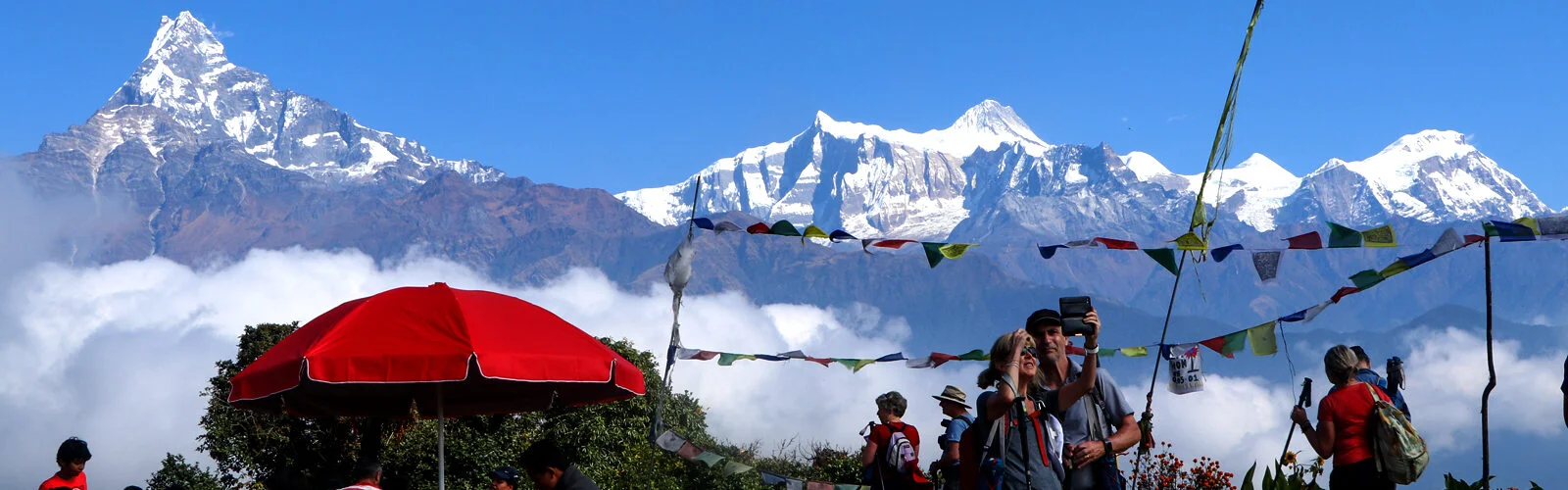
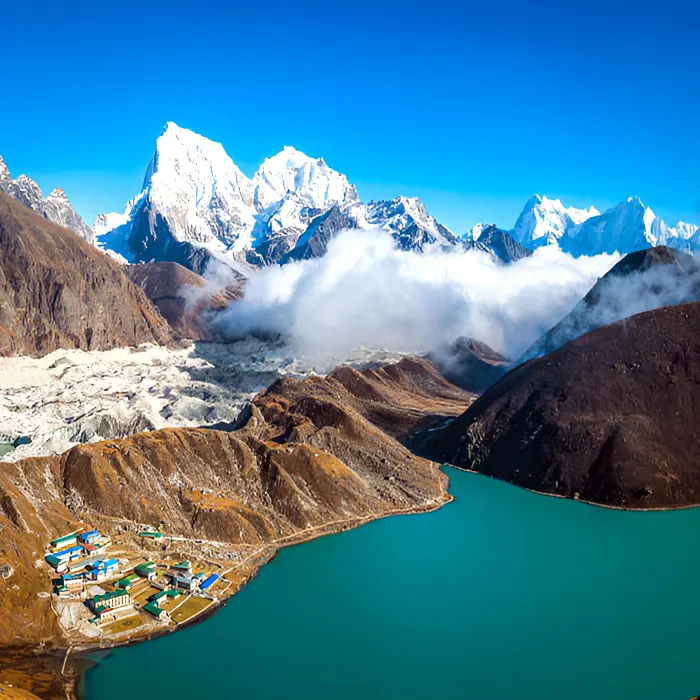
The Ganesh Himal Base Camp Trek is an unforgettable adventure through one of Nepal’s most secluded and pristine Himalayan regions, offering trekkers a rare chance to explore a lesser-known corner of the Himalayas. Named after Ganesh Himal, the Hindu deity of luck, this trek lies at the crossroads of Langtang, Annapurna, Manaslu, and other Tibetan Himalayan ranges. Along the route, trekkers encounter dense forests, terraced fields, crystal-clear rivers, alpine meadows, waterfalls, sacred stupas, dramatic rock formations, and traditional villages, creating a fully immersive Himalayan trekking experience. The area also boasts mineral-rich sites, including ruby, crystal, zinc, and copper deposits, reflecting its natural and cultural significance. The trek begins with a scenic bus or jeep ride from Kathmandu to Syabrubesi (1,503m), where trekkers spend the first night surrounded by lush hills and tranquil landscapes. The trail then ascends gradually through traditional Tamang villages, first passing Chawatar before reaching Gatlang, offering cultural immersion with stone stairways, suspension bridges, and terraced fields. From Gatlang, the journey continues to the sacred Parvati Kunda, a serene lake revered by locals, before moving to Somdang, where abandoned ruby, crystal, copper, and zinc mines reflect the region’s geological richness. Trekkers then cross Pangsang Pass (3,842m), enjoying sweeping panoramic views of the Ganesh Himal, Manaslu, Annapurna, and Langtang ranges, before descending to Tipling (2,087m). The trail passes through the picturesque villages of Chalish and Shertung before reaching Hindung (Gomba Danda). From Hindung, the trek ascends to Thulo Dhunga (3,337m) and continues to Nojet Kharka (3,691m), the base camp for Ganesh Himal, where trekkers are rewarded with spectacular mountain panoramas, untouched alpine meadows, and complete serenity. After exploring the base camp, the route returns to Hindung, where natural hot springs provide relaxation, followed by a descent to Khading Gaon (2,025m) via Racyat and Kapor villages. The trek continues through Magne Ghoth (2,950m) and Lapu Danda, finally reaching Ganga Jamuna (950m), with unforgettable views of Mount Manaslu and surrounding Himalayan peaks. From here, trekkers proceed to Tripura Sundari (850m), crossing Brahmin villages, terraced fields, and open plains, before concluding the journey with a bus transfer back to Kathmandu. Covering altitudes from 850m to 3,842m, with daily trekking distances of 8–14 km and 5–8 hours of walking per day, the Ganesh Himal Base Camp Trek combines moderate to challenging terrain with remote Himalayan landscapes, authentic cultural encounters, and breathtaking mountain vistas. This trek is fully supported with homestay accommodations, providing cultural immersion, traditional Nepalese meals, and local hospitality, while also supporting community-based tourism. Trekking through diverse geography, multiple climate zones, and isolated villages, adventurers experience one of Nepal’s most authentic off-the-beaten-path trekking journeys, perfect for those seeking solitude, culture, and Himalayan adventure. Why Choose This TrekThis trek is ideal for travelers seeking a remote Himalayan adventure, cultural immersion, and unique photography opportunities. Experience serene alpine meadows, panoramic mountain peaks, and authentic village life, guided by experienced local professionals who ensure both safety and an enriching journey. Book Your Ganesh Himal Base Camp TrekPlan your adventure with Jagadamba Holidays. Contact us via WhatsApp: +977 9851082817 to reserve your trek or receive detailed information. Best Time to Do Ganesh Himal Trek in NepalThe ideal seasons for trekking Ganesh Himal are spring (March to June) and fall (September to November). During spring, forests bloom with colorful rhododendrons and the weather is pleasant for trekking. In autumn, skies are clear, offering unobstructed views of the surrounding Himalayan peaks. Winter treks are possible but cold, and snow can make trails slippery. Monsoon season is generally avoided due to rain, leeches, and poor trail conditions. What Makes Ganesh Himal Base Camp Trek SpecialThe Ganesh Himal Base Camp Trek is known for its combination of natural beauty and cultural authenticity. It offers panoramic views of Ganesh Himal, Langtang, Manaslu, and Annapurna ranges while passing through traditional Tamang and Brahmin villages. The trek features alpine meadows, sacred lakes such as Parvati Kunda, high ridges, and glacial views, giving trekkers an off-the-beaten-path Himalayan experience with fewer visitors and more tranquility. Permits RequiredTrekking Ganesh Himal requires standard trekking permits such as the TIMS card and national park permits. Jagadamba Holidays manages all permits, ensuring a hassle-free experience so you can focus on the trek. Safety and PrecautionsPlan carefully and trek with a licensed guide familiar with local trails, weather, and culture. Carry first-aid kits, water purification options, and medications. Dress in layers for high-altitude weather changes. Respect local customs and avoid trekking alone on unknown trails. Acclimatization is important to avoid altitude sickness and ensure a safe trekking experience. Ganesh Himal Trek DifficultyThis trek is considered moderate to challenging, suitable for trekkers with good fitness. Trails include forested paths, rocky ridges, and alpine meadows, with daily trekking durations of 5 to 8 hours. Altitudes range from 850 meters in the starting villages to over 3,800 meters at high ridges, requiring physical endurance and proper acclimatization. While no technical climbing is involved, trekkers must prepare for remote and rugged conditions. Training and PreparationStart physical preparation two to three months before the trek. Cardiovascular training like hiking, jogging, cycling, and stair climbing builds stamina. Strength training helps with carrying backpacks. Practice multi-day hikes if possible and develop mental resilience for remote conditions. Mountain ViewsThe Ganesh Himal Base Camp Trek offers panoramic vistas of Ganesh Himal, Langtang, Manaslu, Annapurna, and Shringi Himal. Trekkers experience untouched alpine meadows, rugged ridges, and sacred lakes, creating spectacular photography opportunities and memorable mountain experiences. Altitude Sickness and PreventionAltitude sickness can occur above 3,500 meters. Gradual ascent, proper hydration, and taking rest/acclimatization days help prevent it. Avoid alcohol and monitor for symptoms like headache, dizziness, or nausea. Consult a doctor about preventive medications if necessary. What to ExpectExpect a remote trekking experience with minimal modern facilities, traditional village life, pristine natural landscapes, and cultural immersion. You will walk through quiet villages, enjoy home-cooked meals, and witness Himalayan scenery rarely seen by tourists. Why Choose Jagadamba Holidays for Ganesh Himal TrekJagadamba Holidays provides fully supported treks including permits, local guides, porters, accommodation, meals, and transportation. Our experienced team ensures safety, cultural insight, and smooth itineraries, allowing trekkers to enjoy the adventure without concerns. Personalized services for solo trekkers and groups enhance the experience. Things You Should KnowAccommodations are basic homestays and teahouses with simple beds and shared bathrooms. Carry sufficient cash as ATMs are limited. Internet and phone service is minimal in villages. Flexibility is essential due to unpredictable mountain weather. Respect local customs and religious sites during the trek. Is Ganesh Himal Trek for MeThis trek is ideal for adventurous travelers seeking off-the-beaten-path experiences, cultural immersion, and breathtaking Himalayan views. Suitable for trekkers in good physical condition who can handle moderate hiking and simple amenities. Meals & AccommodationLocal teahouses and homestays provide traditional Nepali and Tibetan-style meals such as dal bhat, momos, noodle soups, and flatbreads. Rooms are basic but comfortable, offering authentic cultural immersion. Plan Your Ganesh Himal TrekJagadamba Holidays handles all planning including permits, guides, porters, accommodation, meals, and transportation. Flights to and from the trailhead are included, ensuring a smooth trekking experience. Flexible itineraries accommodate solo trekkers, small groups, and specific interests. HighlightsTraditional Tamang and Brahmin villages with centuries-old culture Sacred Parvati Kunda and natural alpine lakes Panoramic views of Ganesh Himal, Annapurna, Manaslu, and Langtang ranges Alpine meadows, high ridges, and unspoiled wilderness Authentic homestay experiences with local cuisine and hospitality Wildlife sightings including Himalayan birds and musk deer Why Choose Ganesh Himal Base Camp TrekThis trek combines adventure, culture, and tranquility in Nepal’s untouched regions. For trekkers seeking solitude, stunning mountain vistas, and traditional village life, Ganesh Himal offers a transformative Himalayan experience. Packing List, Gears, and EquipmentClothes: Base layers, quick-dry shirts, fleece and down jackets, waterproof shell, trekking pants, gloves, hats, thermal underwear Footwear: Sturdy trekking boots, camp shoes, warm socks Gear: Sleeping bag (-10°C), 40–50L backpack, 20L daypack, trekking poles Essentials: Headlamp, sunglasses, sunscreen, lip balm, water bottles, purification tablets Other: First-aid kit, toiletries, quick-dry towel, power bank, extra batteries, snacks Ganesh Himal Base Camp Trek CostCost includes licensed trekking guide, porter support, permits, accommodation in lodges or homestays, all meals, and transportation to and from the trailhead. Solo trekkers receive personalized support, while group pricing offers tiered rates. Seasonal promotions are available. Contact Jagadamba Holidays directly for private-group quotes to ensure competitive rates and the best service for an unforgettable Himalayan adventure.
Itinerary (Plan)
Arrive in Kathmandu, Nepal's vibrant capital, where you'll be warmly welcomed with marigold garlands. After transferring to your hotel, take time to relax and acclimate to the bustling city. Discover vibrant local markets, indulge in traditional Nepali dishes, and delve into Kathmandu's rich cultural tapestry. This initial day is perfect for easing into your journey, setting the stage for the exciting adventures ahead in Eastern Nepal. A representative from Jagadamba Holidays will ensure a smooth and pleasant arrival.
Optional Evening Activity:
If you wish, you can spend your evening experiencing the Pashupatinath Aarti, a captivating religious ceremony held at the Pashupatinath Temple. The Aarti usually begins around 6:00 PM and lasts for approximately an hour. This ceremony is a mesmerizing display of traditional music and rituals, providing a profound insight into Hindu spiritual practices. Please check the exact time for the Aarti on the day of your visit, as it may vary. This option is not included in the standard itinerary but offers a unique opportunity to immerse yourself in local culture.
Embark on a scenic drive from Kathmandu to Syabrubesi (1,503 m / 4,931 ft.), a vibrant village at the gateway of the Langtang region. The journey begins early, leaving the bustling capital city Kathmandu behind and heading into the serene Nepali countryside. Along the way, enjoy views of terraced hills, traditional villages, and flowing rivers, providing your first taste of rural Nepalese life. The drive from Kathmandu to Syabrubesi covers 122 kilometers and takes around 6–7 hours by private jeep. Travel through lush green forests, rolling hills, and terraced farmlands while marveling at the stunning Himalayan panoramas including Ganesh Himal, Langtang Lirung, and nearby Himalayan peaks. The road runs alongside the sparkling Trishuli River, creating perfect photo opportunities at every turn. The route passes through lively towns like Trishuli Bazaar and Dhunche, where you can stop for refreshments, witness local trade, and immerse yourself in Nepali culture. As you approach Syabrubesi, the road becomes winding and mountainous, adding a hint of adventure to your journey. Upon arrival in Syabrubesi, check in at a local hotel or lodge and take time to explore this bustling trekking hub. Stroll through the village, interact with friendly locals, and prepare for your upcoming Ganesh Himal Trek. The welcoming atmosphere, combined with spectacular views of surrounding peaks, sets the perfect tone for your Himalayan adventure.
After breakfast, commence the Ganesh Himal Base Camp Trek from Shyabru Besi along the Tamang Heritage Trail in reverse, providing an authentic experience of Nepal’s remote landscapes and traditional culture. This route diverges from the conventional Langtang Valley Trek and allows trekkers to explore less frequented paths while engaging with the Tamang communities. The trail gradually ascends through forests of oak, rhododendron, and pine, interspersed with open meadows and terraced farmland. Trekkers will pass several Tamang settlements, where local life, stone architecture, and traditional farming practices can be observed. The route offers panoramic views of Ganesh Himal, Gosainkunda, and Goljung Valley, providing excellent opportunities for photography and appreciation of the Himalayan scenery. The trek covers a total distance of 11 kilometers, typically requiring 5 to 6 hours of walking at a moderate pace. The route involves an ascent of 1,080 meters and a descent of 210 meters, combining forest trails, stone steps, and ridge paths. Rest points are available along the trail, and a midday meal is arranged either at designated stops during the trek or upon arrival in Gatlang, ensuring sufficient energy and recovery. Gatlang, situated at 2,238 meters, is a peaceful Tamang village known for its terraced fields and stone-built homes. Visitors can explore Parvati Kund, stroll along village paths, and engage with local residents, gaining insight into traditional Tamang culture. The village provides a serene environment with unobstructed views of surrounding Himalayan peaks, making it an ideal overnight stop to acclimatize and prepare for subsequent trekking days. Accommodation is arranged in a local teahouse, offering basic yet comfortable facilities that reflect the region’s remote character and support a culturally immersive experience.
After a hearty breakfast at Gatlang, we began our Ganesh Himal Base Camp Trek toward Somdang, passing the sacred Parvati Kunda, a serene alpine lake revered by locals. The ascent offers panoramic views of terraced fields, forested hills, and Ganesh Himal peaks, marking the transition into higher-altitude alpine landscapes. The fresh mountain air and open vistas create a perfect balance of adventure and tranquility, making this one of the most scenic days of the trek. The trek covers 11 kilometres and typically takes 6–7 hours at a moderate pace. Starting in Gatlang at 2,238 metres (7,342 feet), the trail climbs 900 metres (2,953 feet) to the ridge above Parvati Kunda at 3,150 metres (10,335 feet), before descending 350 metres (1,148 feet) to Somdang at 2,850 metres (9,350 feet). This moderately demanding route traverses forest paths, alpine meadows, and short rocky sections. The path passes through pine, fir, and rhododendron forests, providing shade and opportunities to spot local birdlife, including laughing thrushes and warblers. Open clearings reveal breathtaking views of Ganesh Himal and surrounding ridges, while Parvati Kunda offers an ideal spot for photography, meditation, and enjoying the serene alpine environment adorned with colorful prayer flags. Descending gently toward Somdang, trekkers pass open meadows with grazing yaks, framed by dramatic ridgelines and authentic alpine scenery. The remote village of Somdang provides peaceful lodges, stunning mountain vistas, and a tranquil overnight stop, combining pristine landscapes, cultural authenticity, and Himalayan beauty to make this day a highlight of the Ganesh Himal Base Camp Trek.
After completing the Ganesh Himal Base Camp Trek, board a private vehicle back to Kathmandu, retracing your route along the Bhote Koshi and Trisuli Rivers through picturesque landscapes and charming Himalayan foothills. Your journey passes Tripurasundari, Dhading Besi, Malekhu, and Naubise, covering a total distance of 117 km and taking approximately 5-6 hours depending on road conditions. Along the way, enjoy stunning riverside views, lush terraced fields, and panoramic mountain scenery, offering a peaceful transition from the remote highlands to the vibrant capital. Upon arrival in Kathmandu (1,400 m / 4,593 ft.), you can unwind, relax, and explore the city at your own pace. Immerse yourself in Nepal’s rich heritage and vibrant culture by visiting ancient temples, majestic stupas, and UNESCO-listed heritage sites, or wander through lively markets to shop for authentic handicrafts, traditional Nepali souvenirs, and local treasures. Take time to reflect on unforgettable memories, breathtaking landscapes, and the incredible stories from your trek. Enjoy delicious local cuisine, charming city strolls, or a quiet café stop, creating the perfect ending to your Ganesh Himal Base Camp adventure before onward travel or departure.
After returning from the Ganesh Himal Base Camp Trek, enjoy a full day in Kathmandu to unwind and explore the city at your own pace. Immerse yourself in Nepal’s rich culture by visiting ancient temples, stupas, and heritage sites, or stroll through vibrant local markets to shop for handicrafts, souvenirs, and traditional Nepali goods. This day allows for leisure and relaxation, giving you a chance to reflect on your trekking adventure, savor local cuisine, or simply enjoy the serene ambiance of Nepal’s capital. Optional Guided Day TourBhaktapur Durbar Square – Step into a living medieval city and explore Bhaktapur Durbar Square, one of Nepal’s most beautifully preserved heritage sites. Admire traditional Newari architecture, intricately carved wooden windows and doors, and centuries-old temples and palaces. Stroll along cobbled streets bustling with local artisans, pottery shops, and vibrant markets, offering an authentic glimpse of Newar culture and daily life. Boudhanath Stupa – Visit Boudhanath Stupa, one of the largest and most significant Buddhist stupas in the world. Observe monks and devotees performing rituals, spinning prayer wheels, and circling the stupa while chanting mantras. The stupa’s massive white dome and gilded spire create a serene spiritual atmosphere, and the surrounding streets are filled with Tibetan shops, cafes, and monasteries, offering insight into Buddhist culture in Nepal. Pashupatinath Temple – Explore Pashupatinath Temple, Nepal’s most famous Hindu temple dedicated to Lord Shiva and a UNESCO World Heritage Site. Witness devotees performing rituals along the sacred Bagmati River, and admire the pagoda-style architecture, gilded roofs, and intricate wood carvings. The temple complex offers a fascinating look at Hindu traditions, cremation rituals, and local religious life, making it an essential cultural stop in Kathmandu. This optional tour provides a concise cultural experience, adding history, spirituality, and local life to your post-trekking itinerary.
Concluding Your Journey in Nepal
As your remarkable journey through the Himalayas comes to an end, take a moment to reflect on the awe-inspiring natural beauty, rich cultural heritage, and memorable experiences that have defined your time in Nepal. From the majestic mountain landscapes to the warm hospitality of the local communities, every moment has contributed to an unforgettable adventure.
Airport Transfer by Jagadamba Holidays
To ensure a smooth and timely departure, an official representative from Jagadamba Holidays will collect you from your hotel 3.5 hours prior to your scheduled flight departure. Our team is committed to providing a reliable and comfortable transfer service to Tribhuvan International Airport, allowing you to conclude your journey with peace of mind.
We sincerely appreciate your trust in Jagadamba Holidays and hope to have the pleasure of serving you again on your future journeys.
Group Size & Pricing
| Group Size (Pax) |
2 - 3 |
4 - 5 |
6 - 7 |
8 - 9 |
10 - 12 |
13 - 16 |
17 - 20 |
21 - 24 |
25 - 32 |
| Cost Per Person |
$2,349 |
$2,250 |
$2,170 |
$2,090 |
$2,010 |
$1,930 |
$1,850 |
$1,770 |
$1,690 |
Cost Include
- All transfers within Nepal are included as per itinerary
- Any domestic flight of Nepal as per trekking itinerary
- Trekking accommodation (hotel, lodge and/or tent) as per itinerary
- Small shared room with shared bathroom during trek in Nepal
- In Kathmandu and/or Pokhara: Stay at ***Hotel with breakfast
- Luggage for porters during the trek (12.5 kg/person)
- 3 meals (Breakfast, Lunch and Dinner) during the trek
- Unlimited tea or coffee for breakfast during the trek
- An English speaking guide (trekking/tour) as per Itinerary
- Travel insurance for trekking staff (guides and porters)
- All expenses of trekking staff(s) during trekking
- Conservation/National park entry fees
- Any special tour/trekking/climbing permits
- Sightseeing / Wildlife tours if included in the itinerary
- Farewell dinner in Kathmandu before returning home
Cost Exclude
- Single room/single tent surcharge (on request)
- Round trip/one way international flight ticket to Nepal.
- Tourist visa for Nepal (30-50 $, depending on length of stay)
- Personal Insurance (covers: Trip/flight cancellation, helicopter rescue)
- Meals (lunch, dinner) at hotels in Kathmandu, Pokhara and other cities
- Gratuity for trekking staff (recommended: 9€ /10$ per traveler per day)
- Drinks (soft, hot or mineral/boiled water) during the lodge trek
- Any personal trekking and/climbing equipment for trekking in Nepal
- Hotel expenses in case of early return from trekking for any reason
- Costs due to flight cancellations & extra porters/horses during the trek
- Any additional service and KTM – Lukla helicopter shuttle flight cost
- Additional costs incurred due to any reason beyond Jagdamba’s control
- More evidence about pandemics like COVID-19 if needed in the future.
- Personal expenses during the trek (phone, wifi, shower, charging etc.)
- Other costs and things that are not mentioned in the service inclusion
|




 Trip Overview
 Travel Itinerary
 Cost Includes
 Cost Excludes
 Fixed Departure
 Route Map
 Freqeuntly Asked Questions
 Reviews And Rating