

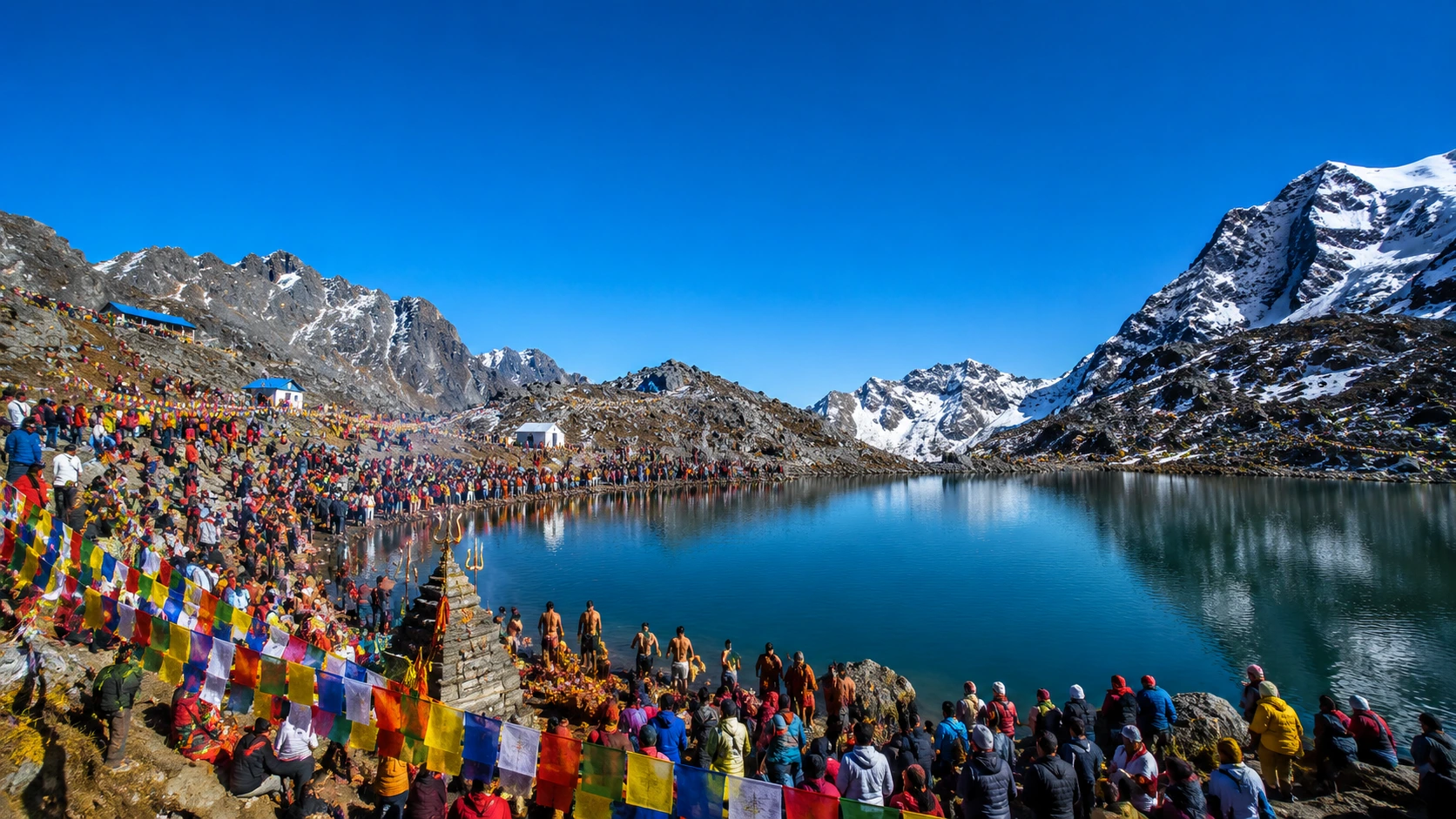
Discover Nepal's most sacred Himalayan pilgrimage, where ancient traditions, breathtaking trekking trails, and spectacular mountain landscapes come together during the annual Gosainkunda Mela.
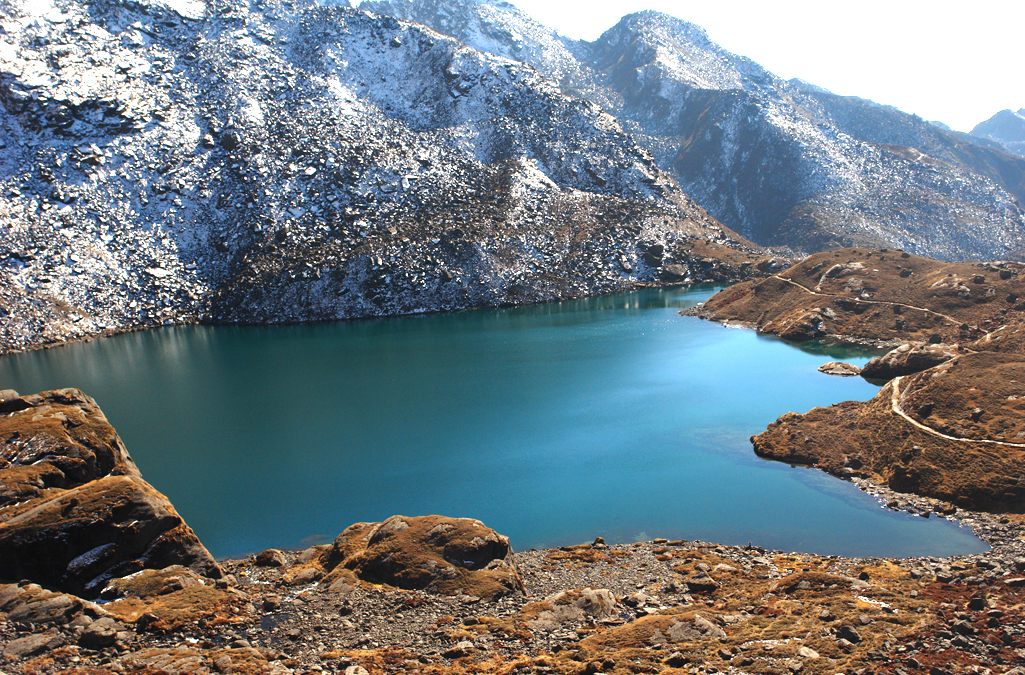
Hidden among the towering peaks of Nepal's Langtang National Park, Gosainkunda Lake is one of the Himalayas' most sacred pilgrimage sites and a dream destination for trekkers seeking both natural beauty and cultural experiences. At an elevation of 4,380 meters (14,370 feet), this pristine alpine lake attracts thousands of pilgrims every year during Janai Purnima, transforming the peaceful mountains into a vibrant gathering of faith, devotion, and celebration.
For centuries, devotees have believed that bathing in the icy waters of Gosainkunda during the festival washes away sins and brings the blessings of Lord Shiva. At the same time, trekkers from around the world are drawn by the scenic trails that pass through rhododendron forests, traditional Tamang villages, alpine meadows, and breathtaking Himalayan landscapes before reaching the sacred lake.
Whether you are planning a spiritual pilgrimage, an adventurous Himalayan trek, or simply wish to witness one of Nepal's most remarkable cultural events, Gosainkunda offers an unforgettable journey where nature and spirituality exist in perfect harmony.
What is Gosainkunda Mela?
The Gosainkunda Mela is an annual religious gathering held at the sacred Gosainkunda Lake during Janai Purnima, one of Nepal's most important Hindu festivals. Every year, thousands of pilgrims from Nepal and India undertake the challenging mountain journey to worship Lord Shiva and perform holy rituals at the lake.
Unlike festivals celebrated in cities or temple complexes, Gosainkunda Mela takes place high in the Himalayas, making the pilgrimage itself an important part of the experience. The journey requires determination, physical effort, and devotion, giving the event a unique spiritual significance.
During the festival, the lakeshore becomes a lively place filled with devotees chanting prayers, priests performing religious ceremonies, sadhus meditating, and families gathering to seek blessings. The air is filled with the fragrance of incense, the sound of temple bells, and traditional hymns echoing across the surrounding mountains.
Despite the large crowds, the peaceful atmosphere of the Himalayas remains ever-present. Many visitors describe the experience as a perfect balance of faith, culture, and natural beauty.
Janai Purnima – The Sacred Full Moon Festival
Janai Purnima is celebrated on the full moon day of the Nepali month of Shrawan, usually falling in August. The festival symbolizes purification, protection, and spiritual renewal.
For Hindu men who have undergone the sacred thread ceremony, the day marks the annual replacement of the Janai, a sacred cotton thread worn across the body. During religious ceremonies, priests also tie a colorful sacred thread known as Doro around devotees' wrists, symbolizing divine protection and blessings for the coming year.
Across Nepal, rivers, temples, and holy lakes become important pilgrimage destinations during Janai Purnima. Among them, Gosainkunda holds exceptional importance because of its direct connection to Lord Shiva.
While the festival is deeply rooted in Hindu tradition, it is also respected by Buddhists, reflecting Nepal's long-standing harmony between different spiritual traditions. This unique cultural blend makes Gosainkunda Mela not only a religious event but also an extraordinary cultural experience for international visitors.
The Legend of Gosainkunda
The sacredness of Gosainkunda is closely connected to one of Hinduism's most famous legends.
According to ancient scriptures, during the Samudra Manthan (the Churning of the Ocean), a deadly poison called Halahala emerged before the divine nectar of immortality. To protect the universe from destruction, Lord Shiva drank the poison, holding it in his throat. The intense heat generated by the poison caused unbearable suffering.
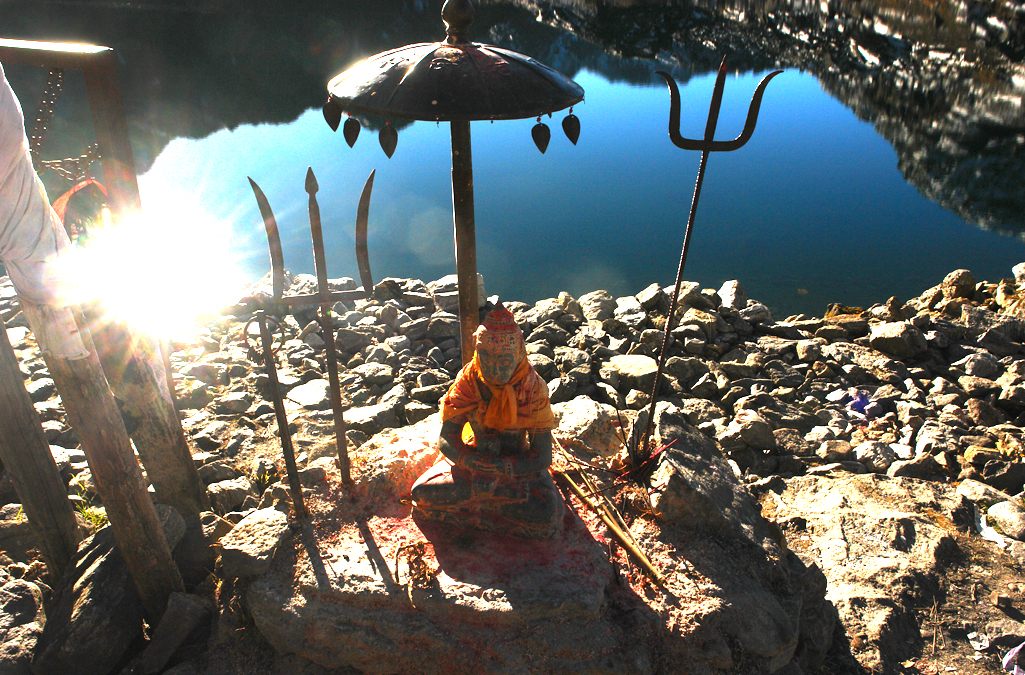
Seeking relief, Lord Shiva traveled into the Himalayas and struck the mountain with his Trishul (trident). From the place where the trident touched the earth, pure glacial water emerged, forming the sacred Gosainkunda Lake.
Devotees believe the lake still carries the divine energy of Lord Shiva. Bathing in its crystal-clear waters during Janai Purnima is believed to cleanse negative karma, purify the soul, and bring spiritual peace.
For Buddhists, the lake is also considered sacred and is associated with Guru Rinpoche (Padmasambhava), further enhancing its religious significance.
Today, these ancient beliefs continue to inspire thousands of pilgrims who undertake the challenging trek every year.
Where is Gosainkunda?
Gosainkunda lies within Langtang National Park, approximately 140 kilometers north of Kathmandu in Nepal's Rasuwa District.
Although relatively close to the capital, reaching the lake requires a scenic drive followed by several days of trekking through diverse Himalayan landscapes. Most trekking itineraries begin from Dhunche, the district headquarters of Rasuwa, while some routes start from Syabrubesi before connecting with the main trail.
The journey gradually ascends through dense forests of pine, oak, and rhododendron before reaching alpine grasslands, rocky mountain ridges, and finally the sacred lake itself.
Surrounded by dramatic peaks and more than a dozen smaller glacial lakes, Gosainkunda is one of Nepal's most spectacular high-altitude destinations. On clear mornings, the still waters perfectly reflect the surrounding snow-covered mountains, creating one of the most iconic views in the Nepal Himalayas.
Because the lake lies inside Langtang National Park, visitors also have the opportunity to experience the region's rich biodiversity, traditional mountain culture, and protected alpine ecosystem throughout the trek.
Trek to Gosainkunda Lake
For many visitors, reaching Gosainkunda is just as rewarding as arriving at the sacred lake itself. The trek offers a perfect blend of Himalayan adventure, cultural encounters, and spiritual discovery, making it one of Nepal's most memorable short trekking routes.
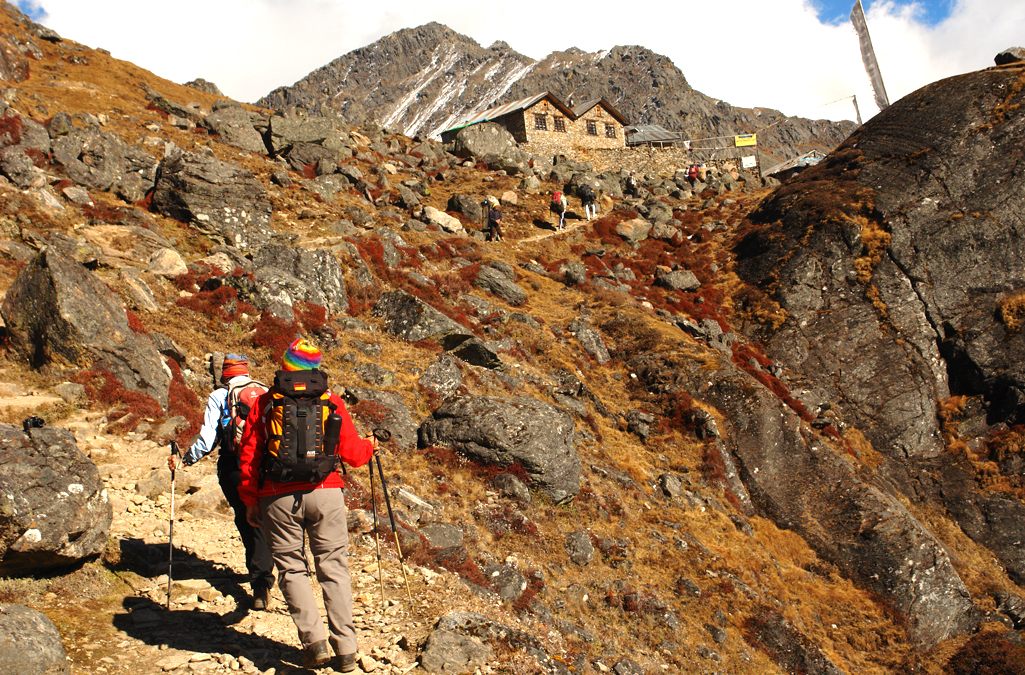
The journey usually begins with a scenic drive from Kathmandu to Dhunche, the gateway to Langtang National Park. From there, the trail climbs steadily through forests of pine, oak, bamboo, and rhododendron, passing waterfalls, suspension bridges, and peaceful mountain villages. As the elevation increases, the landscape gradually changes from lush greenery to alpine meadows and rugged rocky terrain.
Along the way, trekkers meet local Tamang families, visit centuries-old monasteries, and enjoy panoramic mountain views that become more spectacular with every step. The final ascent to Gosainkunda is both challenging and rewarding, leading to a breathtaking glacial lake surrounded by towering Himalayan peaks.
Unlike many crowded trekking routes, the trail to Gosainkunda offers a peaceful mountain experience while still providing comfortable tea houses and welcoming local hospitality.
During Janai Purnima, the trail becomes especially vibrant as pilgrims from across Nepal and India join the journey, creating an unforgettable atmosphere of devotion and unity.
Typical Trek Route
Kathmandu → Dhunche
Dhunche → Chandanbari (Sing Gompa)
Chandanbari → Lauribina
Lauribina → Gosainkunda Lake
Return via the same trail or continue toward Helambu through Lauribina Pass.
Trek Highlights
Every day on the Gosainkunda Trek introduces new scenery and experiences, making the journey as memorable as the destination.
Chandanbari (Sing Gompa)
One of the first major stops is Chandanbari, also known as Sing Gompa.
This peaceful mountain village is famous for its Buddhist monastery, yak cheese factory, and beautiful forest surroundings.
Many trekkers spend a night here while gradually acclimatizing to the increasing altitude.
Lauribina
As the trail climbs above the tree line, the landscape opens into dramatic alpine terrain.
Lauribina offers spectacular panoramic views of the Langtang Himal, Ganesh Himal, and neighboring mountain ranges.
The sunrise and sunset from this ridge are among the most beautiful in the region.
Sacred Alpine Lakes
Before reaching the main lake, trekkers encounter several smaller glacial lakes scattered across the high mountain landscape.
Their crystal-clear waters reflect the surrounding peaks, creating picture-perfect scenery.
Rich Himalayan Flora and Fauna
The lower sections of the trail are covered with rhododendron forests that burst into colorful bloom during spring.
The national park is also home to Himalayan birds, musk deer, Himalayan tahr, langurs, and, in remote areas, the elusive red panda.
Local Culture
The route passes through traditional Tamang communities where visitors experience warm hospitality, Buddhist traditions, and mountain lifestyles that have remained largely unchanged for generations.
Every section of the trek offers something different, making Gosainkunda an ideal destination for both first-time trekkers and experienced hikers.
Himalayan Views That Leave a Lasting Impression
One of the greatest rewards of the Gosainkunda Trek is the spectacular panorama of Nepal's central Himalayas. As the trail rises above the forests, towering snow-covered peaks begin to dominate the skyline, creating breathtaking views in every direction.
On clear days, trekkers can enjoy magnificent vistas of:
Langtang Lirung
Ganesh Himal
Dorje Lakpa
Himalchuli
Parts of the Manaslu range
Early mornings often bring calm weather and crystal-clear visibility, while golden evening light paints the mountains in warm shades of orange and pink.
Standing beside Gosainkunda Lake, visitors are treated to one of the most iconic Himalayan landscapes in Nepal. The still turquoise water reflects the surrounding white peaks, colorful prayer flags flutter in the mountain breeze, and the silence of the high Himalayas creates a peaceful atmosphere unlike anywhere else.
For photographers, these moments provide endless opportunities to capture dramatic mountain scenery, changing light, and authentic Himalayan culture.
Best Time to Visit Gosainkunda
Although Gosainkunda is accessible during different seasons, each offers a unique experience.
Spring (March–May)
Spring is one of the most popular times for trekking.
The forests come alive with blooming rhododendrons, temperatures remain comfortable, and mountain views are generally excellent.
The colorful landscape makes this season especially attractive for photographers and nature lovers.
Monsoon & Janai Purnima (July–August)
This is the most spiritually significant time to visit.
Thousands of pilgrims gather for the annual Gosainkunda Mela, creating a unique cultural atmosphere rarely seen elsewhere in the Himalayas.
Although occasional rainfall and cloudy conditions are common, the surrounding hills become lush and green, and the vibrant energy of the festival makes the journey particularly memorable.
Autumn (September–November)
Autumn is widely regarded as the best trekking season in Nepal.
Clear skies, stable weather, and excellent visibility offer ideal conditions for mountain photography and trekking.
The trail is busy but less crowded than during the Janai Purnima festival.
Winter (December–February)
Winter transforms Gosainkunda into a peaceful alpine wilderness.
Heavy snowfall often covers the trail, making trekking more challenging and suitable for experienced hikers.
However, those who venture into the region during winter are rewarded with pristine snowy landscapes and remarkable solitude.
Accommodation and Food
Despite its remote location, the Gosainkunda Trek offers simple yet comfortable accommodation throughout the route. Most villages have locally operated tea houses that provide:
Basic private rooms
Shared bathrooms
Warm dining areas where trekkers gather in the evenings
Meals are freshly prepared using locally available ingredients. The most common dishes include:
Dal Bhat
Fried rice
Noodles
Vegetable curry
Potatoes
Soups
Pancakes
Tibetan bread
Eggs
Hot drinks such as tea, coffee, and hot lemon
As the altitude increases, accommodation becomes more basic, but the warm hospitality of local families creates a welcoming atmosphere. During Janai Purnima, rooms often fill quickly because of the large number of pilgrims and trekkers. Booking your trek with an experienced local operator helps ensure accommodation is arranged in advance.
One of the highlights of staying in the mountain tea houses is sharing stories with fellow trekkers and pilgrims while enjoying spectacular Himalayan sunsets outside the lodge.
Trek Difficulty, Fitness & Altitude
The Gosainkunda Trek is considered a moderate Himalayan trek, making it suitable for both first-time trekkers with good fitness and experienced hikers. Although the daily walking distances are manageable, the steady climb to 4,380 meters (14,370 feet) requires preparation and a gradual pace.
Most trekkers walk between five and seven hours each day, depending on the itinerary. The trail includes:
Stone steps
Forest paths
Alpine ridges
Rocky sections near the lake
While no technical climbing is involved, the higher altitude can make the final ascent more demanding.
Proper acclimatization is essential. Spending a night at Chandanbari or Lauribina before reaching Gosainkunda helps the body adjust to the thinner air. Drinking plenty of water, walking at a comfortable pace, and avoiding unnecessary exertion are the best ways to reduce the risk of altitude sickness.
With sensible preparation and a positive attitude, most healthy travelers can comfortably complete the trek and enjoy one of Nepal's most rewarding mountain journeys.
What to Pack for the Gosainkunda Trek
Packing wisely makes the trek safer and more enjoyable. Weather in the Himalayas can change quickly, so carrying suitable clothing and equipment is important even during summer.
Essential Clothing
Waterproof trekking boots
Warm fleece jacket
Down jacket for higher elevations
Waterproof rain jacket
Thermal base layers
Trekking trousers
Gloves and warm hat
Sun hat and sunglasses
Trekking Equipment
Comfortable daypack
Trekking poles
Reusable water bottle
Headlamp
Power bank
Camera or smartphone
Personal Items
Sunscreen and lip balm
Personal medication
Basic first-aid kit
Water purification tablets
Snacks or energy bars
Passport and permits
Packing light while carrying the essentials allows for a more comfortable trekking experience.
Essential Travel Tips
A little preparation goes a long way when trekking to Gosainkunda, especially during the busy Janai Purnima festival.
Start walking early each morning to take advantage of clear weather and avoid afternoon clouds.
Drink plenty of water throughout the trek and take regular breaks instead of rushing.
Respect the local culture by dressing modestly around religious sites and asking permission before photographing pilgrims or monks.
If you are visiting during the festival, reserve accommodation well in advance, as tea houses fill quickly with both trekkers and devotees.
Since Gosainkunda lies inside Langtang National Park, help protect this fragile alpine environment by carrying reusable water bottles, minimizing plastic waste, and leaving no litter on the trail.
Remember that mountain weather can change rapidly. Even on sunny mornings, temperatures may drop significantly in the evening, so always carry warm clothing.
Why Visit During Janai Purnima?
While Gosainkunda is beautiful throughout the trekking season, visiting during Janai Purnima offers an experience unlike any other.
The normally peaceful mountain landscape comes alive with thousands of pilgrims walking toward the sacred lake, many chanting prayers or carrying offerings for Lord Shiva. Saffron-robed sadhus gather along the lakeshore, families perform traditional rituals, and the sound of bells and devotional songs echoes across the surrounding mountains.
Watching pilgrims take a holy dip in the icy glacial waters at sunrise is one of the most memorable moments of the festival. Despite the large crowds, the atmosphere remains deeply spiritual and respectful.
For photographers, the festival presents endless opportunities to capture:
Authentic Himalayan culture
Colorful traditional clothing
Dramatic landscapes
Genuine moments of devotion
For trekkers, it offers the rare chance to combine an unforgettable mountain adventure with one of Nepal's most important religious celebrations.
Whether you arrive as a pilgrim, traveler, or nature enthusiast, Janai Purnima reveals the true spirit of Gosainkunda.
Frequently Asked Questions
How many days does the Gosainkunda Trek take?
Most itineraries take 5 to 7 days, depending on your chosen route and pace.
Is the trek suitable for beginners?
Yes. Anyone with a reasonable level of fitness can complete the trek by walking at a steady pace and allowing time for acclimatization.
When is Gosainkunda Mela held?
The mela takes place every year during Janai Purnima, usually in August, according to the Nepali lunar calendar.
Do I need permits?
Yes. Visitors require the necessary permits to enter Langtang National Park. Your trekking agency can arrange these before departure.
Is altitude sickness a concern?
Because the lake sits at 4,380 meters, altitude sickness is possible. Ascending gradually, staying hydrated, and following your guide's advice greatly reduce the risk.
Can I combine this trek with other routes?
Yes. Many trekkers continue across Lauribina Pass into the Helambu region, creating a longer and more diverse Himalayan trekking experience.
Why Choose Jagadamba Holidays (a adventure travel company)?
Planning a Himalayan journey becomes easier and more enjoyable with experienced local support. At , we specialize in creating safe, comfortable, and meaningful trekking and pilgrimage experiences throughout Nepal.
Our knowledgeable guides share local history, mythology, and cultural traditions while ensuring that trekkers travel at a pace suitable for proper acclimatization. Carefully selected tea houses, well-planned itineraries, and personalized service allow you to focus on enjoying the journey rather than worrying about logistics.
Whether you are traveling alone, with family, or as part of a group, we offer flexible itineraries that can be tailored to your interests, fitness level, and available time. From obtaining permits to arranging transportation and accommodation, our experienced team takes care of every detail.
Our goal is simple—to help you experience the beauty, culture, and spirituality of the Nepal Himalayas with confidence and peace of mind.
Final Thoughts
The journey to Gosainkunda is far more than a mountain trek. It is a path shaped by centuries of faith, breathtaking Himalayan scenery, and the enduring traditions of the people who call these mountains home.
Whether you visit during the vibrant celebrations of Janai Purnima or choose a quieter trekking season, the experience leaves a lasting impression. Watching the first rays of sunlight illuminate the sacred lake, hearing prayer chants carried by the mountain breeze, and standing among towering snow-covered peaks create memories that remain long after the journey ends.
For pilgrims, Gosainkunda is a place of devotion and blessing. For trekkers, it is one of Nepal's most rewarding short Himalayan adventures. For photographers and nature lovers, it offers spectacular landscapes and authentic cultural encounters in equal measure.
If you are looking for a destination where spirituality, adventure, and natural beauty come together, Gosainkunda Mela is an experience not to be missed.
Join Jagadamba Holidays (a adventure travel company) and discover the timeless beauty of Gosainkunda—where every step brings you closer to the heart of the Himalayas.