
Solo Trekking in Nepal 2026: Latest Rules, Permits & Guide Requirements
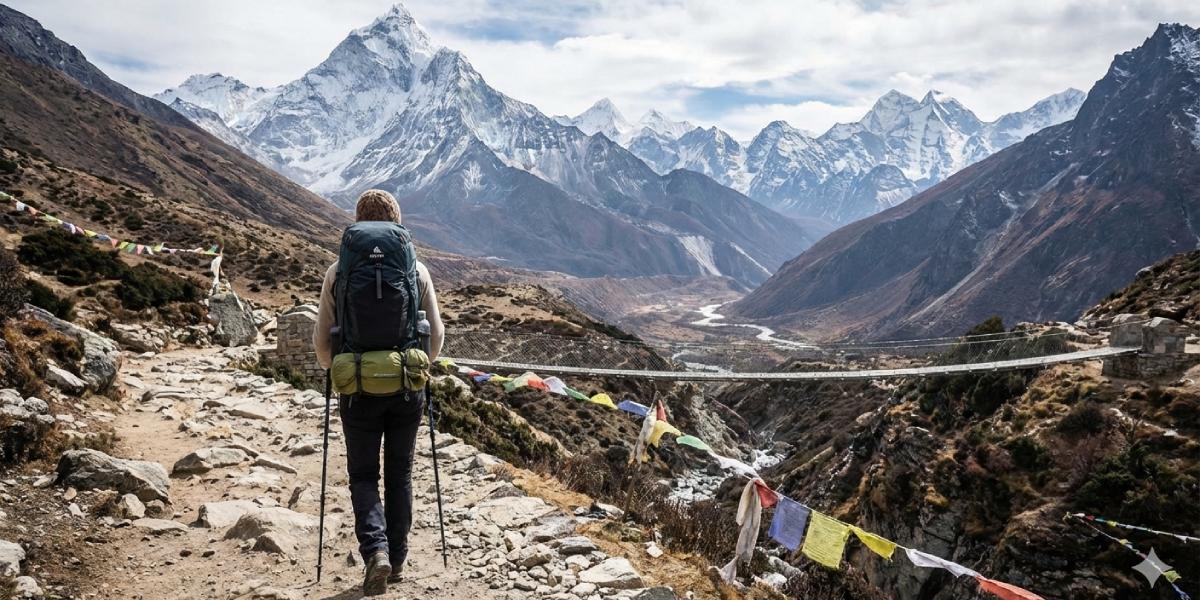
Solo trekking in Nepal remains one of the most rewarding adventures for hikers seeking breathtaking Himalayan scenery, authentic mountain culture, and unforgettable trekking experiences. From the legendary Everest Base Camp Trek to the remote valleys of Upper Mustang and Manaslu, Nepal offers trekking routes for every level of adventure.
However, trekking regulations have changed significantly over the past few years. If you are planning to trek alone in Nepal in 2026, it is important to understand the latest government rules, permit requirements, and guide regulations before finalizing your trip.
Many travelers are unsure whether solo trekking is still allowed, if hiring a licensed guide is mandatory, or which permits are required for different trekking regions. The answer depends entirely on where you plan to trek.
The good news is that solo trekking is still possible in Nepal in 2026. While several popular trekking routes remain open to independent trekkers, many regions now require a licensed trekking guide or have special permit regulations. In addition, Nepal has introduced important updates that make certain restricted areas more accessible for individual travelers while continuing to prioritize visitor safety.
This complete guide explains everything you need to know before planning your solo trekking adventure in Nepal.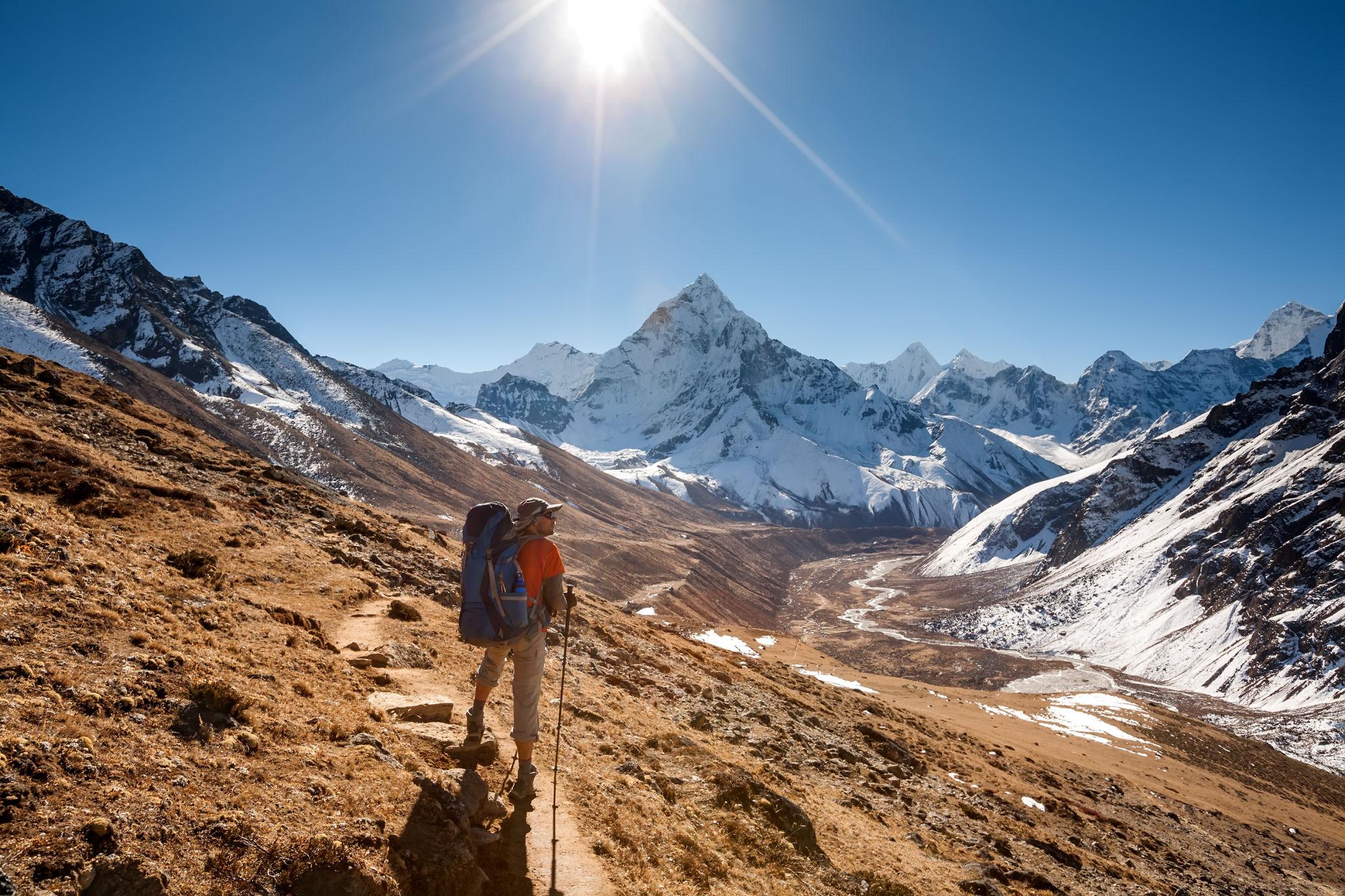
Table of Contents
Is Solo Trekking Allowed in Nepal?
Yes. Solo trekking is still allowed in Nepal in 2026.
However, the rules vary depending on the trekking destination. Some trekking regions allow independent trekkers without hiring a guide, while others legally require every foreign trekker to be accompanied by a licensed government-authorized trekking guide.
Understanding these differences is essential before choosing your trekking destination.
Nepal's trekking routes are generally divided into two categories:
- Regular trekking regions
- Restricted trekking areas
Regular trekking regions generally require only national park or conservation area permits. Depending on the destination, hiring a guide may be recommended or required under current regulations.
Restricted trekking areas follow stricter government rules. These regions are located near international borders or environmentally sensitive areas and require a Restricted Area Permit (RAP), which must be arranged through a registered trekking agency. A licensed trekking guide is mandatory in these regions.
Before planning your itinerary, always verify the latest regulations because permit policies and local enforcement may change.
Can Foreigners Trek Solo in Nepal?
Yes, foreign visitors can still enjoy solo trekking in Nepal.
Many famous Himalayan trekking destinations continue to welcome independent trekkers, especially within the Everest region. These routes are well established, have numerous tea houses, and receive thousands of trekkers every year.
However, other trekking regions require travelers to hire a licensed guide for safety, rescue coordination, and permit compliance.
Choosing the right trekking destination is therefore one of the most important decisions for solo travelers.
Which Trekking Routes Allow Independent Trekkers?
As of 2026, the following trekking routes generally allow independent trekking without a mandatory licensed guide:
- Everest Base Camp Trek
- Gokyo Lakes Trek
- Everest Three Passes Trek
- Pikey Peak Trek
Some local authorities may periodically update regulations for routes such as Mardi Himal and Ghorepani Poon Hill. Before traveling, always confirm the latest requirements with a registered trekking agency or the Nepal Tourism Board.
Although guides are not legally required on these routes, many trekkers choose to hire one for added safety, navigation assistance, cultural interpretation, and local support.
Solo Trekking Rules Updated for 2026
Nepal introduced important updates to trekking regulations in 2026 that affect independent travelers, particularly those planning to visit restricted trekking areas.
These changes aim to improve visitor safety while providing greater flexibility for solo adventurers who wish to explore Nepal's remote Himalayan regions.
Understanding these new rules will help you avoid permit issues and ensure your trek complies with government regulations.
Major Rule Changes Introduced in 2026
One of the most significant policy updates took effect in March 2026.
Previously, Restricted Area Permits (RAP) were generally issued only to groups consisting of at least two foreign trekkers.
Under the updated regulation, individual foreign travelers can now obtain a Restricted Area Permit for many restricted trekking regions.
This is a major improvement for solo travelers who have always dreamed of trekking destinations such as Upper Mustang, Manaslu, Nar Phu Valley, or Tsum Valley.
However, while solo travelers are now eligible for these permits, important conditions still apply.
What Changed for Restricted Area Permits?
The previous requirement of forming a minimum group of two foreign trekkers has been removed for many restricted trekking destinations.
Instead, individual travelers can apply for a Restricted Area Permit provided they meet all government requirements.
To obtain a Restricted Area Permit, solo trekkers must:
- Book through a registered trekking agency in Nepal.
- Hire a licensed government-authorized trekking guide.
- Follow all permit conditions for the selected trekking region.
- Carry the required permits throughout the trek.
This update provides greater flexibility while maintaining Nepal's commitment to visitor safety and responsible tourism.
Can Solo Travelers Visit Restricted Areas?
Yes.
Solo travelers can now visit many of Nepal's restricted trekking regions under the updated regulations.
Popular restricted destinations include:
- Upper Mustang
- Manaslu Circuit
- Nar Phu Valley
- Tsum Valley
- Upper Dolpo
- Lower Dolpo
- Kanchenjunga Region
- Humla
- Mugu
- Darchula
- Bajhang
- Makalu Restricted Areas
Although these destinations are now accessible to individual trekkers, hiring a licensed trekking guide remains mandatory. Restricted Area Permits cannot be obtained independently and must always be processed through a registered trekking agency.
These regulations help improve trekker safety while protecting Nepal's culturally and environmentally sensitive Himalayan regions.
Do You Need a Licensed Trekking Guide?
Whether you need a licensed trekking guide in Nepal depends on your chosen destination. Some trekking routes allow independent hiking, while others legally require every foreign trekker to be accompanied by a licensed government-authorized guide.
The Nepal Tourism Board (NTB) and the Department of Immigration have introduced these regulations to improve trekker safety, strengthen rescue coordination, and support sustainable tourism in remote mountain communities.
Even on routes where a guide is not legally required, hiring an experienced local guide can make your trek safer, more enjoyable, and culturally enriching.
Trekking Regions Where a Guide Is Mandatory
A licensed trekking guide is mandatory for all foreign trekkers visiting Nepal's restricted trekking regions. These areas require a Restricted Area Permit (RAP), which can only be issued through a registered trekking agency.
The following trekking destinations require a licensed guide:
Annapurna Region
Most trekking routes within the Annapurna Conservation Area currently require a licensed trekking guide under the latest regulations. This includes popular routes such as:
- Annapurna Base Camp Trek
- Annapurna Circuit Trek
- Khopra Ridge Trek
- Mohare Danda Trek
- Tilicho Lake Trek
- Mardi Himal Trek (subject to local enforcement)
Langtang Region
The Langtang region also follows the current guide requirement for foreign trekkers. Popular routes include:
- Langtang Valley Trek
- Gosaikunda Lake Trek
- Helambu Trek
- Tamang Heritage Trail
Manaslu Circuit Trek
The Manaslu Circuit is one of Nepal's most spectacular high-altitude treks. Since it passes through a restricted area, trekkers must have:
- A Restricted Area Permit (RAP)
- Manaslu Conservation Area Permit (MCAP)
- Annapurna Conservation Area Permit (ACAP)
- A licensed trekking guide
Nar Phu Valley Trek
Nar Phu Valley lies north of the Annapurna region near the Tibetan border and is one of Nepal's hidden Himalayan gems. A licensed guide and Restricted Area Permit are compulsory.
Tsum Valley Trek
Known for its ancient Buddhist monasteries and unique Tibetan culture, Tsum Valley is another restricted trekking destination where independent trekking is not permitted.
Upper Mustang Trek
Upper Mustang is famous for its dramatic desert landscapes, centuries-old monasteries, and the historic walled city of Lo Manthang. Visitors must obtain:
- Restricted Area Permit
- Annapurna Conservation Area Permit
- Licensed trekking guide
Upper Dolpo Trek
Upper Dolpo is among Nepal's most remote trekking destinations. Due to its isolation and proximity to the Tibetan border, independent trekking is not permitted.
Lower Dolpo Trek
Although more accessible than Upper Dolpo, Lower Dolpo also requires a licensed guide and special permits in many trekking sections.
Kanchenjunga Region
Trekkers exploring the Kanchenjunga Conservation Area and restricted border sections must travel with a licensed guide.
Humla Region
Humla offers remote Himalayan trekking experiences and access toward Mount Kailash routes. A guide is mandatory in restricted sections.
Mugu Region
Mugu is home to the beautiful Rara Lake and remote Himalayan villages. Certain trekking routes require special permits and licensed guides.
Bajhang Region
Several trekking routes in Bajhang fall within restricted border areas where guides are compulsory.
Darchula Region
Located in far-western Nepal, Darchula contains multiple restricted trekking routes requiring government permits and licensed guides.
Makalu Restricted Areas
Certain trekking sections near Makalu Base Camp and the upper Arun Valley require special permits and licensed guides depending on the route.
Trekking Regions Where a Guide Is Not Mandatory
Several popular trekking destinations still allow independent trekking without a licensed guide.
These include:
Everest Base Camp Trek: The Everest Base Camp Trek remains Nepal's most famous trekking route. Independent trekking is generally allowed, although hiring a guide is highly recommended.
Gokyo Lakes Trek: The stunning turquoise lakes of Gokyo can also be explored independently. The route is well-marked and supported by numerous tea houses.
Everest Three Passes Trek: Experienced trekkers may complete the challenging Three Passes Trek independently. However, due to high mountain passes exceeding 5,000 meters, many choose to hire a guide for safety.
Pikey Peak Trek: Pikey Peak offers one of Nepal's finest panoramic Himalayan viewpoints and remains suitable for independent trekkers.
Other Short Trekking Routes: Depending on current local regulations, some shorter trekking routes may still allow independent trekking. Always verify the latest requirements before departure.
Should You Hire a Guide Even If It Is Optional?
Although some trekking routes permit independent trekking, hiring a licensed guide offers many advantages.
A professional trekking guide not only ensures your safety but also helps you gain a deeper understanding of Nepal's landscapes, culture, and traditions.
Benefits include:
- Better route navigation
- Reduced risk of getting lost
- Assistance during emergencies
- Early recognition of altitude sickness
- Communication with local communities
- Help booking tea houses
- Weather and trail updates
- Cultural and historical insights
- Language assistance
- Support for Nepal's local tourism economy
Many first-time visitors find that trekking with a guide significantly enhances their overall Himalayan experience.
Where Can You Trek Solo in Nepal?
Nepal offers dozens of incredible trekking destinations, but not all have the same regulations for independent travelers.
If you prefer trekking alone, choosing the right destination is essential.
Below are some of Nepal's most popular trekking routes where independent trekking is generally possible under current regulations.
Everest Base Camp Trek
The Everest Base Camp Trek is Nepal's most iconic trekking adventure.
Starting with a scenic flight to Lukla, the trail passes through famous Sherpa villages including Phakding, Namche Bazaar, Tengboche, Dingboche, Lobuche, and Gorakshep before reaching Everest Base Camp at an altitude of 5,364 meters.
Highlights include:
- Mount Everest views
- Sherpa culture
- Tengboche Monastery
- Sagarmatha National Park
- Kala Patthar viewpoint
- Comfortable tea house accommodation
Independent trekking remains possible on this route, making it one of the most popular choices for solo travelers.
Gokyo Lakes Trek
The Gokyo Lakes Trek offers a quieter alternative to Everest Base Camp.
Trekkers enjoy spectacular glacial lakes, the massive Ngozumpa Glacier, and panoramic views from Gokyo Ri.
This route is ideal for experienced independent trekkers seeking fewer crowds while remaining within a well-developed trekking network.
Everest Three Passes Trek
Often considered Nepal's most challenging tea house trek, the Everest Three Passes Trek crosses:
- Kongma La Pass
- Cho La Pass
- Renjo La Pass
The trek combines Everest Base Camp, Gokyo Lakes, and some of the Himalayas' highest trekking passes.
Because of its demanding terrain and high altitude, many solo trekkers choose to hire a guide even though one is not legally required.
Pikey Peak Trek
Pikey Peak has become increasingly popular among trekkers looking for a shorter Himalayan adventure.
The summit provides magnificent sunrise views over:
- Mount Everest
- Makalu
- Kanchenjunga
- Lhotse
- Nuptse
The route passes through beautiful Sherpa villages and peaceful forests, making it an excellent option for independent trekkers.
Restricted Trekking Areas in Nepal
Nepal's restricted trekking areas are located primarily near international borders and environmentally sensitive Himalayan regions.
These destinations preserve ancient cultures, fragile ecosystems, and unique landscapes that require additional protection.
Traveling in these regions requires special government permits and must be arranged through a registered trekking agency.
Why Are Some Areas Restricted?
Restricted trekking areas are protected for several important reasons:
- Border security
- Environmental conservation
- Preservation of indigenous cultures
- Sustainable tourism management
- Visitor safety in remote regions
These regulations help ensure that tourism benefits local communities while minimizing environmental impacts.
Popular Restricted Trekking Areas
Some of Nepal's best-known restricted trekking destinations include:
- Upper Mustang: Known as the "Last Forbidden Kingdom," Upper Mustang offers dramatic desert landscapes, Tibetan Buddhist culture, and the ancient city of Lo Manthang.
- Manaslu Circuit: A spectacular alternative to the Annapurna Circuit featuring remote mountain villages, Larkya La Pass, and stunning Himalayan scenery.
- Nar Phu Valley: One of Nepal's least-visited trekking regions, famous for medieval villages, high mountain passes, and authentic Tibetan culture.
- Tsum Valley: A sacred Himalayan valley rich in Buddhist monasteries, meditation caves, and centuries-old traditions.
- Upper Dolpo: A remote wilderness celebrated for Shey Phoksundo Lake, Bon Buddhism, and untouched Himalayan landscapes.
- Lower Dolpo: Known for deep valleys, traditional villages, and challenging trekking routes.
- Kanchenjunga Region: Home to the world's third-highest mountain and pristine Himalayan wilderness.
- Humla: A remote district featuring ancient trade routes, Tibetan influence, and access toward Mount Kailash pilgrimage routes.
- Mugu: Famous for the crystal-clear waters of Rara Lake and spectacular alpine scenery.
- Bajhang and Darchula: These far-western Himalayan regions remain among Nepal's least explored trekking destinations.
- Makalu Restricted Areas: Remote trekking routes surrounding Makalu, the world's fifth-highest mountain, offer exceptional wilderness experiences.
Trekking Permits Required in Nepal
Before starting any trekking adventure in Nepal, obtaining the correct permits is essential. The type of permit you need depends on your chosen trekking region. Some routes require only a national park or conservation area entry permit, while others also require a Restricted Area Permit (RAP).
Carrying valid permits throughout your trek is mandatory. Checkpoints operated by the Nepal Army, Nepal Police, National Parks, and local authorities verify permits along major trekking routes. Failure to present the required permits may result in fines, denial of entry, or being required to return.
In 2026, Nepal continues to use four main types of trekking permits:
- Restricted Area Permit (RAP)
- National Park Entry Permit
- Conservation Area Entry Permit
- TIMS Card (where applicable)
Understanding which permits apply to your trek will help you avoid unnecessary delays and ensure a smooth journey.
Restricted Area Permit (RAP)
A Restricted Area Permit (RAP) is required for trekking in Nepal's designated restricted regions. These areas lie close to international borders or contain environmentally and culturally sensitive communities.
The permit is issued by the Department of Immigration and can only be arranged through a registered trekking agency in Nepal.
Unlike standard trekking permits, a Restricted Area Permit cannot be obtained independently by foreign visitors.
Popular trekking regions requiring a Restricted Area Permit include:
- Upper Mustang
- Upper Dolpo
- Lower Dolpo
- Manaslu Circuit
- Nar Phu Valley
- Tsum Valley
- Kanchenjunga Restricted Sections
- Humla
- Mugu
- Darchula
- Bajhang
- Makalu Restricted Areas
Permit fees vary by destination and season. Some restricted areas charge a fixed fee, while others calculate the permit cost based on the number of trekking days.
National Park Entry Permit
Many of Nepal's famous trekking routes pass through protected national parks. Foreign visitors must purchase a National Park Entry Permit before entering these areas.
Revenue generated from these permits supports wildlife conservation, trail maintenance, and sustainable tourism.
Popular national park permits include:
Sagarmatha National Park Permit
Required for:
- Everest Base Camp Trek
- Gokyo Lakes Trek
- Everest Three Passes Trek
- Other Everest region treks
Langtang National Park Permit
Required for:
- Langtang Valley Trek
- Gosaikunda Trek
- Helambu Trek
- Tamang Heritage Trail
Shey Phoksundo National Park Permit
Required for:
- Upper Dolpo Trek
- Lower Dolpo Trek
- Shey Phoksundo Lake Trek
Makalu Barun National Park Permit
Required for:
- Makalu Base Camp Trek
- Makalu Circuit Trek
- Upper Arun Valley trekking routes
Conservation Area Entry Permit
Several of Nepal's most popular trekking destinations are located within protected conservation areas rather than national parks.
Trekkers entering these regions must obtain the appropriate Conservation Area Entry Permit.
Annapurna Conservation Area Permit (ACAP)
The ACAP is required for trekking within the Annapurna Conservation Area.
Popular treks include:
- Annapurna Base Camp Trek
- Annapurna Circuit Trek
- Mardi Himal Trek
- Ghorepani Poon Hill Trek
- Khopra Ridge Trek
- Upper Mustang Trek
Manaslu Conservation Area Permit (MCAP)
Required for:
- Manaslu Circuit Trek
- Tsum Valley Trek
Kanchenjunga Conservation Area Permit (KCAP)
Required for:
- Kanchenjunga North Base Camp Trek
- Kanchenjunga South Base Camp Trek
- Kanchenjunga Circuit Trek
Which Permits Do You Need for Popular Treks?
| Trek | Required Permits |
|---|---|
| Everest Base Camp Trek | Sagarmatha National Park Permit + Khumbu Pasang Lhamu Rural Municipality Permit |
| Gokyo Lakes Trek | Sagarmatha National Park Permit + Khumbu Local Permit |
| Annapurna Base Camp Trek | ACAP |
| Annapurna Circuit Trek | ACAP |
| Mardi Himal Trek | ACAP |
| Langtang Valley Trek | Langtang National Park Permit |
| Gosaikunda Trek | Langtang National Park Permit |
| Manaslu Circuit Trek | RAP + MCAP + ACAP |
| Tsum Valley Trek | RAP + MCAP |
| Nar Phu Valley Trek | RAP + ACAP |
| Upper Mustang Trek | RAP + ACAP |
| Upper Dolpo Trek | RAP + Shey Phoksundo National Park Permit |
| Lower Dolpo Trek | RAP + Shey Phoksundo National Park Permit |
| Kanchenjunga Trek | KCAP + RAP (where applicable) |
Trekking Permit Costs in Nepal (2026)
Permit costs vary depending on the trekking destination, season, and nationality. The following are general guidelines for foreign trekkers in 2026.
Popular Permit Fees
| Permit | Approximate Cost |
|---|---|
| Annapurna Conservation Area Permit (ACAP) | NPR 3,000 |
| Manaslu Conservation Area Permit (MCAP) | NPR 3,000 |
| Kanchenjunga Conservation Area Permit (KCAP) | NPR 3,000 |
| Langtang National Park Permit | NPR 3,000 |
| Sagarmatha National Park Permit | NPR 3,000 |
| Shey Phoksundo National Park Permit | NPR 3,000 |
| Khumbu Pasang Lhamu Rural Municipality Permit | NPR 3,000 |
Note: Permit fees are subject to change. Always confirm the latest rates before your trek.
Restricted Area Permit Fees
Restricted Area Permit fees differ from standard trekking permits because they are based on the trekking region and, in many cases, the duration of your stay.
Examples include:
- Upper Mustang – USD 500 for the first 10 days, with an additional daily fee for extra days.
- Upper Dolpo – Daily permit fees apply depending on the itinerary.
- Manaslu – Seasonal rates vary between peak and off-peak trekking seasons.
- Nar Phu Valley – Fees differ depending on the time of year.
Since these fees are updated periodically, your trekking agency will provide the latest official permit costs when planning your trip.
TIMS Card Update for 2026
The Trekkers' Information Management System (TIMS) was introduced to improve trekker safety and assist authorities during emergencies.
TIMS records trekking information, helping rescue teams locate trekkers if an accident or natural disaster occurs.
However, TIMS requirements have changed over the years, and many trekkers are unsure whether they still need one.
What Is a TIMS Card?
A TIMS Card is a trekker registration document managed by Nepal's tourism authorities.
It helps:
- Improve trekker safety.
- Maintain visitor records.
- Support emergency rescue operations.
- Monitor trekking activity.
- Promote responsible tourism.
Is a TIMS Card Required in 2026?
The requirement for a TIMS Card depends on the trekking destination and the latest government policies.
Some trekking regions no longer require a TIMS Card because local permit systems have replaced it. For example, the Everest region now uses the Khumbu Pasang Lhamu Rural Municipality Permit instead of TIMS.
Other regions may still require TIMS depending on the trekking route and permit regulations.
Always verify current requirements before your trip.
How to Get Trekking Permits in Nepal
Obtaining trekking permits is straightforward when you understand the process.
For standard trekking routes, many permits can be obtained in Kathmandu or Pokhara before starting your trek.
Restricted Area Permits, however, must always be arranged through a registered trekking agency.
Documents Required
You will normally need:
- A valid passport.
- A valid Nepal tourist visa.
- Passport-size photographs.
- Your trekking itinerary.
- Travel insurance details (recommended).
- Licensed trekking guide details (where applicable).
Where Can You Apply?
Depending on the permit, applications can be made through:
- Nepal Tourism Board (NTB)
- Department of National Parks and Wildlife Conservation
- Conservation Area offices
- Registered trekking agencies
- Department of Immigration (for Restricted Area Permits)
Can You Apply Without a Trekking Agency?
For regular trekking permits, yes. Independent trekkers can obtain many national park and conservation area permits themselves.
However, Restricted Area Permits cannot be issued directly to foreign trekkers. These permits must be processed through a government-registered trekking agency.
If your trek includes a restricted region such as Upper Mustang, Manaslu, or Nar Phu Valley, your trekking agency will handle the entire permit process on your behalf.
Why Hire a Licensed Trekking Guide?
Even if your chosen trekking route allows independent trekking, hiring a licensed trekking guide can significantly enhance your overall experience. A professional guide not only helps ensure your safety but also provides valuable local knowledge, cultural insights, and logistical support throughout your journey.
Nepal's mountain trails often pass through remote villages, dense forests, high mountain passes, and rapidly changing weather conditions. An experienced guide understands these environments and can help you make informed decisions during your trek.
Whether you are a first-time visitor or an experienced trekker, a licensed guide allows you to focus on enjoying the journey while someone familiar with the region takes care of navigation and practical arrangements.
Safety and Emergency Support
Safety is one of the most important reasons to hire a licensed trekking guide.
A guide can:
- Recognize the early symptoms of Acute Mountain Sickness (AMS).
- Monitor your pace and acclimatization.
- Recommend additional rest days if necessary.
- Arrange emergency evacuation when required.
- Contact rescue services during emergencies.
- Help communicate with local authorities and health facilities.
In remote Himalayan regions where mobile networks are limited, having an experienced local guide can make a significant difference during unexpected situations.
Navigation and Route Planning
Many trekking routes in Nepal are well established, but landslides, snowfall, heavy rain, or trail diversions can occasionally make navigation difficult.
A licensed guide helps you:
- Follow the safest route.
- Avoid unnecessary detours.
- Adjust the itinerary according to weather conditions.
- Reach your destination safely and efficiently.
This is especially valuable on high-altitude treks where changing weather can quickly affect trail conditions.
Local Knowledge and Cultural Experience
One of the greatest benefits of hiring a guide is gaining a deeper understanding of Nepal's rich cultural heritage.
Your guide can explain:
- Local customs and traditions.
- Buddhist monasteries and Hindu temples.
- Festivals celebrated by mountain communities.
- Sherpa, Gurung, Tamang, Thakali, and Tibetan cultures.
- Himalayan wildlife and native plants.
- Historical stories of famous trekking routes.
These insights transform a trek into a meaningful cultural journey rather than simply a walk through the mountains.
Accommodation and Logistics
During peak trekking seasons, tea houses can become fully booked, especially along popular routes.
Your guide can assist by:
- Reserving accommodation.
- Recommending the best tea houses.
- Arranging meals.
- Organizing transportation.
- Handling permit checks.
- Adjusting daily walking distances according to your fitness level.
This allows you to enjoy your trek with less stress and better planning.
Supporting Local Communities
Hiring a licensed Nepali guide directly supports local employment and contributes to sustainable tourism.
By choosing local guides and registered trekking agencies, you help:
- Create jobs in mountain communities.
- Support local families.
- Encourage responsible tourism.
- Preserve traditional cultures.
- Strengthen Nepal's tourism economy.
Responsible trekking benefits both visitors and local communities alike.
Essential Safety Tips for Solo Trekkers
Proper preparation is essential for a safe and enjoyable trekking experience in Nepal. Whether you are trekking independently or with a guide, following basic safety practices can reduce risks and improve your overall experience.
Before You Start Your Trek
Before leaving for the mountains:
- Purchase comprehensive travel insurance that covers high-altitude trekking and helicopter evacuation.
- Train regularly to improve your fitness.
- Research your trekking route thoroughly.
- Carry all required permits.
- Pack appropriate clothing for changing weather conditions.
- Inform family or friends about your itinerary.
- Save emergency contact numbers.
Good preparation is the foundation of a successful trek.
During Your Trek
While on the trail:
- Walk at a comfortable pace.
- Drink plenty of water throughout the day.
- Avoid gaining altitude too quickly.
- Take regular acclimatization days.
- Eat nutritious meals.
- Follow local weather forecasts.
- Respect local customs and traditions.
- Stay on marked trails.
- Avoid trekking after dark whenever possible.
Listening to your body is one of the best ways to prevent altitude-related illnesses.
Altitude Sickness Awareness
Acute Mountain Sickness (AMS) can affect anyone trekking above approximately 2,500 meters, regardless of age or fitness level.
Common symptoms include:
- Headache
- Nausea
- Dizziness
- Fatigue
- Loss of appetite
- Difficulty sleeping
If symptoms become severe, descend immediately and seek medical assistance. Never ignore signs of altitude sickness.
Emergency Contacts
Always carry emergency contact information, including:
- Your trekking agency.
- Your travel insurance provider.
- Local emergency services.
- Helicopter rescue contacts.
- Family members or friends.
Having this information readily available can save valuable time during an emergency.
Frequently Asked Questions
Can I trek solo in Nepal in 2026?
Yes. Solo trekking is still allowed in Nepal. However, guide and permit requirements depend on the trekking region. Some destinations permit independent trekking, while restricted areas require a licensed guide and special permits.
Is a guide mandatory for the Everest Base Camp Trek?
No. Independent trekking is generally allowed on the classic Everest Base Camp route. Nevertheless, hiring a guide is highly recommended for safety, navigation, and cultural insights.
Do I need a guide for the Annapurna Base Camp Trek?
Under current regulations, most trekking routes within the Annapurna region require a licensed trekking guide. Always confirm the latest rules before your trip.
Can I obtain a Restricted Area Permit on my own?
No. Restricted Area Permits must be arranged through a government-registered trekking agency. Individual applications are not accepted.
How much does a licensed trekking guide cost?
Guide fees generally range from USD 30 to USD 50 per day, depending on the trekking region, season, experience, and services included.
Do I need travel insurance?
Yes. Comprehensive travel insurance covering high-altitude trekking and emergency helicopter evacuation is strongly recommended for all trekkers visiting Nepal.
Which trekking permit is the most expensive?
Upper Mustang and Upper Dolpo generally have the highest permit fees because they require Restricted Area Permits with daily or fixed-rate charges.
What is the best season for solo trekking in Nepal?
The two main trekking seasons are:
Spring (March to May)
- Rhododendron forests in bloom
- Stable weather
- Excellent mountain views
- Moderate temperatures
Autumn (September to November)
- Clear skies
- Dry weather
- Outstanding visibility
- Ideal trekking conditions
These are considered the best times for most trekking routes in Nepal.
Can beginners trek solo in Nepal?
Beginners can successfully complete some easier trekking routes independently. However, hiring a guide is highly recommended for first-time visitors, especially on high-altitude or remote treks.
Is Nepal safe for solo travelers?
Nepal is widely regarded as one of the safest trekking destinations in the world. Local communities are known for their hospitality and friendliness. Nevertheless, proper preparation, respect for local customs, and awareness of mountain conditions are essential for a safe journey.
Final Thoughts
Solo trekking in Nepal remains one of the world's greatest adventure experiences. From the towering peaks of the Everest region to the ancient monasteries of Upper Mustang and the untouched wilderness of Dolpo, Nepal offers unforgettable trekking opportunities for every type of traveler.
Understanding the latest trekking regulations, permit requirements, and guide rules is essential before beginning your journey. While many trekking routes still welcome independent trekkers, restricted areas require licensed guides and special permits to protect both visitors and Nepal's unique mountain environments.
Planning ahead, carrying the correct permits, respecting local communities, and prioritizing safety will help ensure an enjoyable and memorable trekking experience.
Whether you choose the iconic Everest Base Camp Trek, the scenic Annapurna region, the peaceful Langtang Valley, or one of Nepal's remote Himalayan trails, the country's breathtaking landscapes and warm hospitality await.
Plan Your Trek with Jagadamba Holidays
Planning a trekking adventure in Nepal is much easier with experienced local support. At Jagadamba Holidays Nepal, we help travelers explore Nepal safely, comfortably, and in full compliance with the latest trekking regulations.
Our experienced team provides:
- Licensed government-authorized trekking guides
- Trekking permit arrangements
- Customized trekking itineraries
- Airport transfers and private transportation
- Tea house and hotel reservations
- Porter services
- Peak climbing and expedition support
- Cultural tours and sightseeing
- 24/7 local assistance throughout your journey
Whether you are planning a solo trek, a private adventure, or a group expedition, we are committed to making your Himalayan experience safe, enjoyable, and unforgettable.
Contact Jagadamba Holidays Nepal
Website: www.jagadambaholidays.com
Email: info@jagadambaholidays.com
WhatsApp: +977 9851082817
Location: Thamel, Kathmandu, Nepal
We look forward to welcoming you to Nepal and helping you discover the beauty of the Himalayas with confidence.