THORONG LA PASS TREK
US$2,070.00
/pp
-
15 Days
-
Annapurna
-
Spring/Autumn
-
Trekking
-
5,416 Meters
-
Hard
-
Bus / Plane
-
01-16 People
-
JH#209
 Overviews
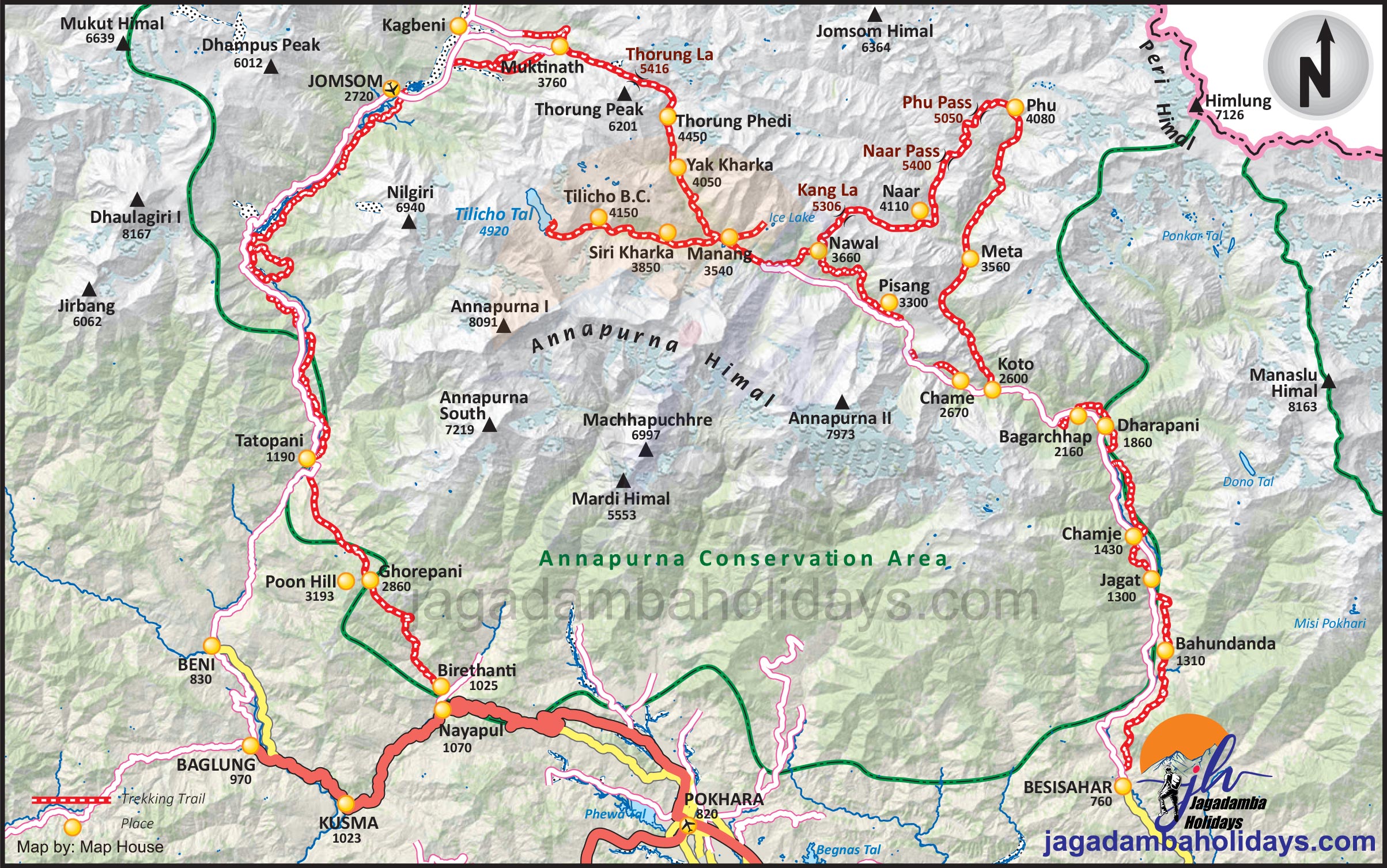
Experience the Thorong La Pass Trek, one of Nepal’s most challenging and rewarding adventures, with Jagadamba Holidays. This premier trek takes you through the breathtaking Annapurna region, culminating at the renowned Thorong La Pass, which stands at an altitude of 5,416 meters (17,769 feet). Your Thorong La Pass journey begins in Besishahar and unfolds across diverse terrains, from lush forests and terraced fields to traditional villages like Manang. As you trek, you’ll immerse yourself in the rich cultures of the Gurung and Manangi communities, gaining insights into local traditions and ways of life. A significant highlight of Thorong La Pass trek is the visit to Muktinath Temple, a sacred site revered by both Hindus and Buddhists. This ancient monastery, along with other spiritual landmarks, adds a profound cultural dimension to your adventure. Throughout the Thorong La Pass Trek, you’ll be treated to stunning vistas of the Annapurna and Dhaulagiri mountain ranges, offering panoramic views that are both captivating and inspiring. With Jagadamba Holidays, you’ll benefit from expert guidance, ensuring a smooth and memorable trekking experience. Our team expertly balances the trek’s physical challenges with immersive cultural encounters, making the journey both exhilarating and enriching. This trek is not just a physical challenge but also a journey through Nepal’s majestic landscapes and diverse cultural tapestry. Whether you seek adventure, spiritual experiences, or breathtaking natural beauty, the Thorong La Pass Trek offers an unparalleled trekking experience in Nepal. Thorong La Pass Trek Difficulty The Thorong La Pass Trek, part of the renowned Annapurna Circuit, is considered a moderately to highly challenging trek, mainly due to the altitude and length of the journey. The trail leads up to Thorong La Pass at 5,416 meters (17,769 ft) — one of the highest trekking passes in the world — requiring 6 to 8 hours of walking per day over varied and rugged terrain. The high altitude increases the risk of AMS (acute mountain sickness), so proper acclimatization and physical fitness are essential. While the trek doesn’t require technical climbing skills, the steep ascents, long days, and unpredictable weather at high elevations make it best suited for trekkers with previous experience. For those well-prepared, it offers a thrilling and unforgettable Himalayan experience. Thorong La Pass Trek Cost The Thorong La Pass Trek cost generally includes essential services such as a licensed trekking guide, porter support, ACAP (Annapurna Conservation Area) and TIMS permits, teahouse accommodations, all meals during the trek, and ground transportation to and from the trailhead. Solo trekkers benefit from tailored support, while groups enjoy tiered pricing, with per-person rates decreasing as group size increases. We also offer seasonal promotions during quieter trekking seasons to make this high-altitude crossing more accessible. Although our website lists standard international pricing, you can contact us directly for private-group quotes, where we guarantee the most competitive rate without compromising on comfort, safety, or high-quality service for your Annapurna Circuit adventure.
Itinerary (Plan)
Arrive in Kathmandu (1,400 m / 4,593 feet), Nepal's vibrant capital, where you'll be warmly welcomed with marigold garlands. After transferring to your hotel, take time to relax and acclimate to the bustling city. Discover vibrant local markets, indulge in traditional Nepali dishes, and delve into Kathmandu's rich cultural tapestry. This initial day is perfect for easing into your journey, setting the stage for the exciting adventures ahead in Eastern Nepal. A representative from Jagadamba Holidays will ensure a smooth and pleasant arrival.
Optional Evening Activity:
If you wish, you can spend your evening experiencing the Pashupatinath Aarti, a captivating religious ceremony held at the Pashupatinath Temple. The Aarti usually begins around 6:00 PM and lasts for approximately an hour. This ceremony is a mesmerizing display of traditional music and rituals, providing a profound insight into Hindu spiritual practices. Please check the exact time for the Aarti on the day of your visit, as it may vary. This option is not included in the standard itinerary but offers a unique opportunity to immerse yourself in local culture.
After a hearty breakfast in Kathmandu, trekkers embark on a scenic drive to Ngadi Bazar, a charming village situated at 930 meters. This route provides stunning views of the Himalayan foothills, verdant forests, and terraced landscapes, making it the perfect introduction to the Manaslu and Bhimthang Valley trekking regions. Along the way, the scenery transitions gradually from the bustling urban streets of Kathmandu to the peaceful, green hillsides dotted with traditional Nepali villages.
The drive covers approximately 186 kilometers and typically takes 7–8 hours, winding through mountain roads that reveal majestic rivers, terraced fields, and colorful local markets. As you travel, you’ll pass by small streams, rural settlements, and rolling hills, offering countless opportunities for photography and a glimpse into the daily life of rural Nepalese communities. The journey itself is a memorable experience, showcasing the natural and cultural diversity of the region before the trek begins.
Upon arrival in Ngadi Bazar, trekkers can settle into their accommodations, enjoy a wholesome meal, and take in the tranquil surroundings. The village’s serene atmosphere provides an ideal environment for rest, acclimatization, and preparation for the days ahead. Ngadi Bazar serves as a peaceful gateway to the Manaslu trekking trails, allowing trekkers to connect with the natural beauty and cultural richness of rural Nepal before starting their Himalayan adventure.
Following breakfast at the lodge, we commenced our trek. During today’s trek from Ngadi to Jagat, we ascend 670 meters and descend 300 meters. The journey covers approximately 14 kilometers and takes 5-6 hours, bringing us to Jagat at an elevation of 1,300 meters (4,265 feet).
The trek begins with a steady climb through terraced fields and verdant greenery. The trail follows the Marsyangdi River, offering picturesque views of the river valley and surrounding hills. As you hike, you’ll pass through several small villages where you can observe traditional rural life and interact with friendly locals. The path is well-defined and gently inclines, making it a comfortable trek for the first day on the trail. Jagat, a quaint village known for its traditional stone houses and serene atmosphere, provides a welcoming environment for your overnight stay. After arriving, take some time to relax, explore the village, and enjoy a warm meal. The tranquil setting of Jagat allows you to unwind and appreciate the natural beauty of your surroundings.
After a hearty breakfast at the lodge in Jagat, trekkers set off on the scenic journey toward Dharapani (1,860 m / 6,102 ft), passing through the charming Tal Village (1,700 m / 5,577 ft). This leg of the Annapurna Circuit Trek offers a perfect blend of Himalayan landscapes, cultural experiences, and moderate trekking.
The trek spans approximately 15 kilometers, typically taking 5–6 hours to complete. Along the route, trekkers ascend around 850 meters over forested paths and gentle slopes, while descending roughly 220 meters through serene valleys and alongside streams. The gradual climbs and descents make this section accessible for beginners while still providing breathtaking panoramic views.
The trail passes through dense forests, terraced fields, and alongside the Marsyangdi River, crossing several suspension bridges that offer spectacular views of the flowing water and surrounding green hills. Along the way, trekkers pass through quaint villages, where traditional stone houses, prayer flags, and local farming practices provide insight into authentic Himalayan culture.
Dharapani, a bustling village blending Tibetan and local cultures, is a key stop on the Annapurna Circuit. The village offers various amenities, including lodges, restaurants, and shops, making it a comfortable place to rest and prepare for the next day’s trek. Visitors can enjoy local cuisine, explore the surroundings, and immerse themselves in the vibrant culture before continuing their Himalayan adventure.
After a hearty breakfast at the lodge in Dharapani (1,860 m / 6,102 ft), trekkers set off on the scenic journey toward Chame (2,650 m / 8,694 ft), the vibrant administrative center of the Manang District. The trail meanders through lush landscapes and passes charming villages such as Timang (2,750 m / 9,022 ft), where Tibetan-influenced culture blends seamlessly with the stunning Himalayan backdrop. This section of the Annapurna Circuit Trek is well known for its perfect combination of natural beauty, cultural encounters, and moderate trekking challenges.
The trek spans approximately 16 kilometers and typically takes 6–7 hours to complete. Along the way, trekkers ascend around 980 meters on forested paths and terraced slopes while descending roughly 180 meters through serene valleys and alongside pristine streams. This balance of climbs and descents makes the trail manageable even for beginner trekkers while offering spectacular views of the surrounding landscapes.
As the trail climbs steadily, the scenery unfolds into a diverse mix of pine forests, cascading waterfalls, open meadows, and terraced farmlands. The higher you ascend, the closer you get to the dramatic views of the Annapurna range, Lamjung Himal, and Manaslu peaks. Suspension bridges cross over the roaring Marsyangdi River, adding both excitement and beauty to the journey.
Arriving at Chame (2,650 m / 8,694 ft), you are welcomed by a lively town surrounded by majestic mountains. Chame provides plenty of cozy lodges, small eateries, and local shops, giving trekkers a chance to enjoy comfort while still experiencing the village’s authentic Himalayan charm. The village also features natural hot springs, where weary trekkers often soak to ease sore muscles after a long day. The town’s warm hospitality, fluttering Tibetan prayer flags, and panoramic mountain views create a rejuvenating atmosphere that makes Chame an ideal overnight stop.
This day on the Annapurna Circuit perfectly blends adventure, cultural immersion, and breathtaking Himalayan scenery, preparing trekkers for the higher-altitude challenges that lie ahead.
After a hearty breakfast at the lodge in Chame (2,650 m / 8,694 ft), trekkers set off on the scenic journey toward Upper Pisang (3,300 m / 10,827 ft), a picturesque village perched on the hillside of the Manang District. Along the way, the trail passes through charming settlements such as Bhratang (2,850 m / 9,121 ft) and Dhikur Pokhari (3,170 m / 9,514 ft), where Tibetan-influenced culture blends seamlessly with the stunning Himalayan backdrop. This section of the Annapurna Circuit Trek is known for its perfect combination of natural beauty, rich cultural encounters, and moderate trekking challenges, making it ideal for both beginners and seasoned trekkers.
The trek journey spans approximately 14 kilometers and typically takes 5–6 hours to complete. Along the route, trekkers ascend around 730 meters over gently sloping forested paths and terraced fields while descending roughly 150 meters through serene valleys and alongside clear, flowing streams. This combination of gradual climbs and descents makes the trail accessible while offering spectacular panoramic views of the surrounding mountains, terraced farmlands, and traditional Himalayan villages.
The path winds through a variety of landscapes, including dense pine forests, terraced fields, and small Himalayan settlements, offering glimpses into local life in the Annapurna region. As you climb higher, the views become increasingly dramatic, with expansive vistas of the Annapurna range, Manaslu peaks, Lamjung Himal, and Pisang Peak, providing countless opportunities for photography and reflection.
Arriving at Upper Pisang, trekkers are greeted by a serene village with traditional Tibetan-style architecture, stone pathways, and fluttering prayer flags. The village offers a selection of lodges, guesthouses, and small eateries, allowing trekkers to rest comfortably while soaking in the panoramic Himalayan views. Spend time exploring the narrow lanes, interacting with locals, and enjoying the peaceful atmosphere. Upper Pisang is an ideal spot to relax and acclimatize in preparation for the higher-altitude sections ahead.
This day on the Annapurna Circuit Trek perfectly combines adventure, cultural immersion, and breathtaking Himalayan scenery, providing trekkers with an unforgettable experience and a gradual ascent toward the challenging passes ahead.
After a hearty breakfast at the lodge in Upper Pisang (3,300 m), trekkers set off on the scenic journey toward Manang (3,540 m / 11,614 ft), a picturesque settlement perched on the hillside of the Manang District. Along the way, the trail passes through charming high-altitude villages such as Ghyaru (3,680 m) and Ngawal (3,690 m), where Tibetan-influenced culture blends seamlessly with the breathtaking Himalayan backdrop. This section of the Annapurna Circuit Trek is renowned for its perfect combination of natural beauty, rich cultural encounters, and moderate trekking challenges, making it suitable for both beginner and experienced trekkers.
The trek covers approximately 20 kilometers and typically takes 7–8 hours to complete. Along the route, trekkers ascend around 700 meters on gently sloping forested paths and terraced fields while descending roughly 490 meters through serene valleys and alongside pristine mountain streams. This mix of climbs and descents provides a manageable yet rewarding trekking experience with breathtaking panoramic views of the surrounding Annapurna range, Pisang Peak, terraced farmlands, and traditional Himalayan villages.
The trail passes through Ngawal, a small village celebrated for its panoramic views of the Annapurna range and Pisang Peak, offering trekkers ample opportunities for photography and cultural immersion. The trek route gradually ascends through high-altitude terrain, transitioning from lush mid-hills to rugged alpine landscapes. Vegetation changes with elevation, and trekkers are treated to unique Himalayan flora, rocky outcrops, and expansive mountain vistas.
Approaching Manang Village, the landscape becomes more rugged, reflecting its location at the gateway to higher Himalayan passes. Manang is a crucial stop on the Annapurna Circuit Trek, providing a variety of guesthouses, lodges, restaurants, and local shops. The village’s combination of scenic beauty, cultural significance, and essential amenities makes it the perfect place to rest, acclimatize, and prepare for higher-altitude challenges ahead. Spend your afternoon exploring Manang’s monasteries, walking through traditional stone houses, and enjoying the serene high-altitude Himalayan environment.
This day of the Annapurna Circuit Trek perfectly balances adventure, cultural exploration, and stunning Himalayan scenery, offering trekkers an unforgettable experience as they ascend toward the higher passes of the Annapurna region.
After a hearty breakfast at the lodge in Manang (3,540 m / 11,614 ft), trekkers set off on today’s acclimatization hike to Ice Lake, a breathtaking high-altitude gem nestled in the Annapurna Himalayas. This essential day allows trekkers to gradually adjust to the high altitude, preparing for the challenging Himalayan passes ahead. The trail winds through rugged mountain paths, alpine meadows, and glacial streams, offering dramatic views of the surrounding Himalayan peaks. Along the way, trekkers pass through small Manang settlements, where Tibetan-influenced culture provides insight into life in these remote highlands.
Trekkers can choose to enjoy a leisurely rest day in Manang, soaking in the serene high-altitude Himalayan environment, exploring village streets, visiting ancient monasteries, or interacting with the local Manang community. For those seeking adventure, the Ice Lake day excursion offers a rewarding trek through alpine terrain, glacial streams, and scenic mountain trails, culminating in breathtaking views of snow-capped peaks and turquoise lake waters. This balance allows trekkers to combine cultural immersion with high-altitude acclimatization.
During the Ice Lake trek, trekkers ascend approximately 1,170 meters and descend the same distance, covering a round-trip of about 16 kilometers over 8–9 hours. The trail gradually transitions from pine forests to alpine landscapes, dotted with unique Himalayan flora, rocky outcrops, and panoramic vistas. Trekkers enjoy continuous opportunities for photography, reflection, and experiencing the pristine beauty of the Annapurna region.
Upon reaching Ice Lake (4,600 m / 15,091 ft), trekkers are rewarded with stunning glacial views, pristine snowfields, and turquoise waters, making it one of the most memorable stops on the Annapurna Circuit Trek. The descent back to Manang ensures gradual acclimatization while allowing trekkers to capture more of the region’s breathtaking scenery. This day perfectly combines adventure, cultural exploration, and high-altitude trekking, preparing trekkers for the higher Himalayan challenges ahead.
After a hearty breakfast at the lodge in Manang, trekkers set off on the scenic journey toward Yak Kharka (4,018 m / 13,180 ft), a serene high-altitude settlement perched on the hillside of the Manang District. Along the way, the trail passes through charming alpine pastures and small Himalayan hamlets, where Tibetan-influenced culture blends seamlessly with the breathtaking Himalayan backdrop. This section of the Annapurna Circuit Trek is renowned for its perfect combination of natural beauty, high-altitude landscapes, and moderate trekking challenges, making it suitable for both beginner and experienced trekkers.
The trek journey covers approximately 10 kilometers and typically takes about 4–5 hours. Along the way, trekkers ascend around 570 meters and descend roughly 40 meters, following well-marked trails that wind through high-altitude alpine terrain, lush meadows, and grazing pastures. This balance of climbs and descents provides a manageable yet rewarding challenge, allowing trekkers to gradually acclimatize to the thinner mountain air while enjoying panoramic views of the surrounding Annapurna range and Manaslu peaks.
The trail continues through expansive alpine meadows, scattered boulders, and glacial streams, offering trekkers incredible vistas and photo opportunities. Along the way, small herds of yaks, fluttering Tibetan prayer flags, and traditional stone shelters give a glimpse into authentic Himalayan village life. The journey highlights the stark beauty and tranquility of high-altitude trekking, with each step bringing trekkers closer to the serene settlement of Yak Kharka.
Arriving at Yak Kharka (4,018 m / 13,180 ft), trekkers are greeted by a peaceful village set against the backdrop of snow-capped peaks. The settlement provides cozy lodges and basic amenities, offering the perfect spot to rest, acclimatize, and prepare for the higher passes ahead. With sweeping panoramic views of the Annapurna Himalayas, serene alpine surroundings, and warm hospitality, Yak Kharka is an ideal stop that embodies the unique adventure and cultural richness of the Annapurna Circuit Trek.
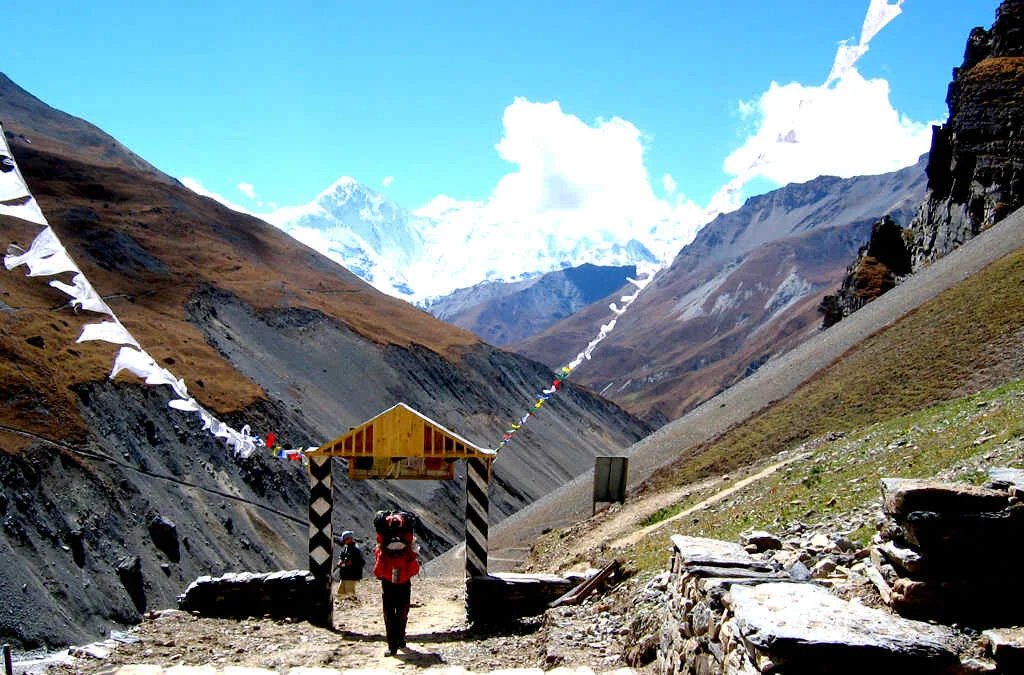
After a hearty breakfast at the lodge in Yak Kharka, trekkers set off on the scenic journey toward Thorong Phedi (4,450 m / 14,600 ft), the essential base camp for the iconic Thorong La Pass. This section of the Annapurna Circuit Trek offers a rewarding mix of high-altitude landscapes, rugged mountain trails, and panoramic Himalayan vistas. The trail winds upward through high-altitude meadows, rugged boulder-strewn paths, and rocky ridgelines, rewarding trekkers with panoramic vistas of the majestic Annapurna and Dhaulagiri mountain ranges. Along the way, trekkers pass small seasonal settlements where locals maintain traditional stone shelters and livestock, adding an authentic cultural element to the high-altitude trekking experience.
The trek from Yak Kharka to Thorong Phedi spans approximately 7 kilometers and typically takes 4–5 hours, offering stunning Himalayan views and high-altitude trekking experiences. Trekkers ascend around 490 meters and descend roughly 10 meters, following well-marked trails that gradually climb through the rugged terrain. This manageable yet challenging section allows trekkers to gradually acclimatize to the thinner mountain air while soaking in the dramatic scenery of snow-capped peaks, cascading cliffs, and glacial streams. Each step offers opportunities for photography, reflection, and full immersion in the serene Himalayan environment.
After crossing the Marshyangdi River, the trail meanders through scenic valleys along the river, one of the world’s deepest gorges, offering trekkers stunning views of the surrounding Himalayan peaks. Along the path, trekkers encounter alpine meadows, rocky outcrops, and highland pastures dotted with grazing yaks, adding to the authentic Himalayan trekking experience. The journey highlights the unique natural beauty of the Annapurna region, with constantly changing landscapes and expansive vistas of high Himalayan peaks. Along the trail, trekkers can observe vibrant Tibetan prayer flags and rustic stone huts, providing an authentic glimpse into the traditions and daily life of Nepal’s remote Himalayan communities.
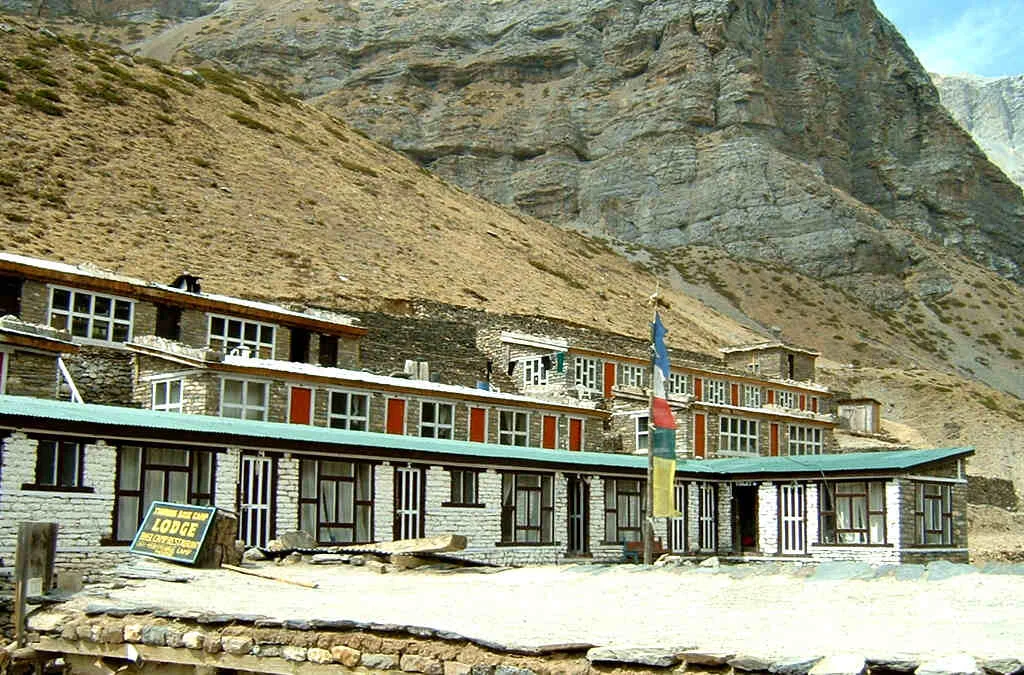
Arriving at Thorong Phedi, trekkers are welcomed by a small yet crucial settlement that serves as the gateway to the Thorong La Pass crossing. The base camp offers cozy lodges, guesthouses, and basic amenities, providing a perfect resting point before the challenging ascent. Surrounded by panoramic views of Annapurna and Manaslu peaks, the high-altitude environment is tranquil and invigorating. Spending time at Thorong Phedi allows trekkers to acclimatize, relax, and mentally prepare for the iconic high mountain adventure that lies ahead, while soaking in the serene and awe-inspiring Himalayan scenery.
Wake up early in the morning, well before sunrise, to prepare for one of the most challenging yet rewarding days of the Annapurna Circuit Trek. Carry sufficient water, a packed breakfast, and some light snacks for the journey. The trail ahead calls for patience and resilience, leading you toward the mighty Thorong La Pass (5,416 m / 17,769 ft)—the highest and most demanding point of the journey.
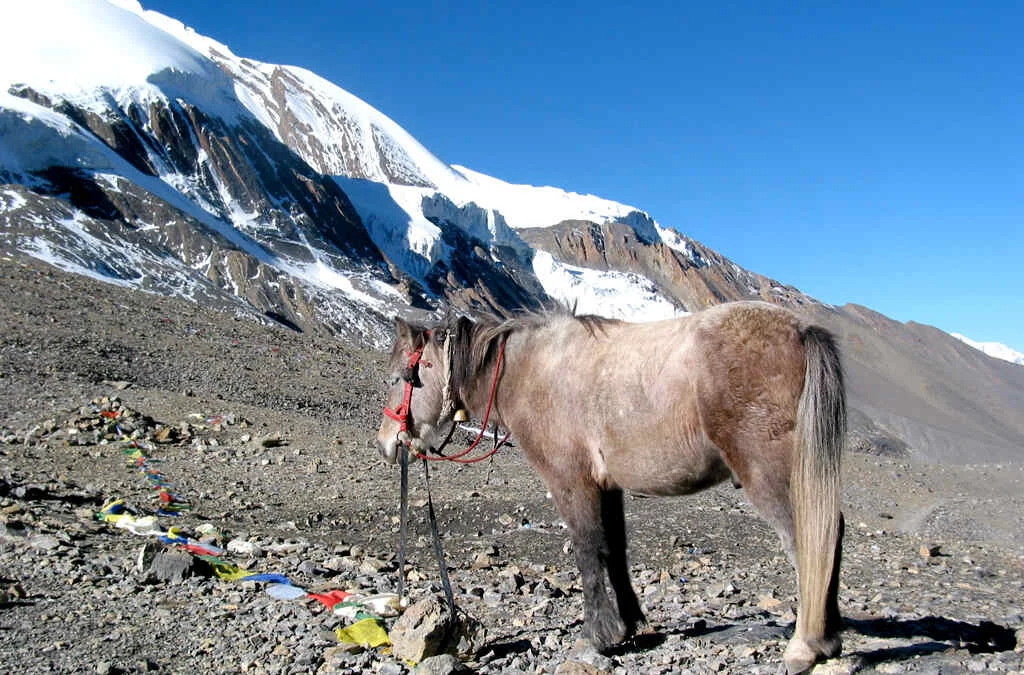
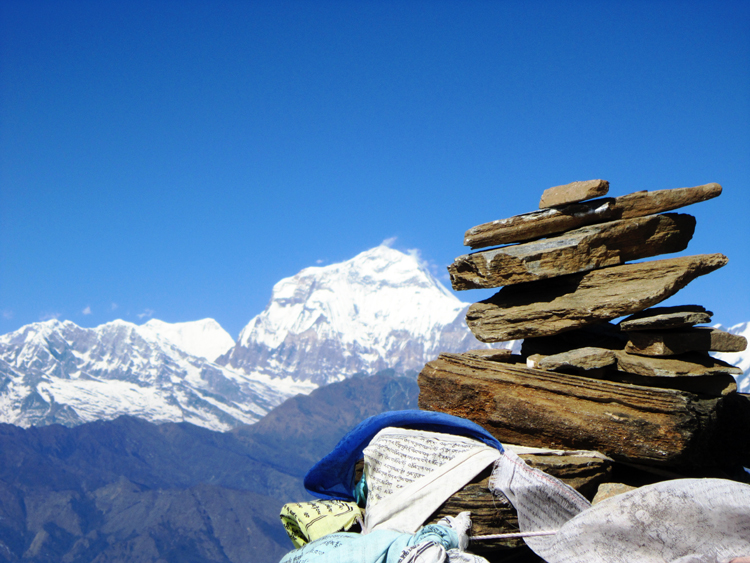
The path climbs steadily from the base, and as you ascend, the air grows thinner and the terrain more rugged. Every step requires patience and focus, but the unfolding views of the Himalayas—snow-clad peaks glowing in the early morning light—make the effort worthwhile. After hours of steady ascent, you step onto the summit of Thorong La, where strings of prayer flags dance in the mountain wind, carrying blessings across the vast horizon. It’s the perfect place to pause, sip a warm cup of tea, coffee, or a simple bowl of soup at the small teahouse, and let the endless views of snow peaks and valleys sink in.
Having conquered the pass, the journey continues with a long descent of nearly 1,730 meters. The trail winds down through dramatic Himalayan landscapes, with towering cliffs, sweeping valleys, and distant glimpses of Mustang’s arid beauty. The descent requires care and steady footing, but with each step, the air becomes easier to breathe, and the landscape gradually transforms.
By late afternoon, you arrive at Muktinath (3,760 m / 12,336 ft), a sacred site for both Hindus and Buddhists. Known as a place of liberation and spiritual renewal, Muktinath Temple is home to ancient shrines, 108 water spouts, and natural flame shrines that have burned for centuries. Pilgrims from all over Nepal and India travel here to worship and seek blessings, giving the place a deeply spiritual atmosphere. After such a demanding day, the serene environment of Muktinath feels especially meaningful. You can also enjoy the natural hot springs nearby, soothing your tired muscles and marking the perfect end to a day of ultimate adventure.
In total, this unforgettable journey covers about 15 kilometers, with an ascent of 870 meters and a descent of 1,730 meters, taking 8–9 hours to complete. Though it is one of the toughest days on the trekking route, it is also among the most rewarding, combining physical challenge, natural beauty, and profound cultural significance.
After enjoying a nourishing breakfast at the lodge, set out on your trek from Muktinath (3,760 m / 12,336 ft) to Jomsom (2,743 m / 8,999 ft) via Jhong and Lupra, a route that beautifully blends spirituality with Himalayan adventure. The trail reveals a diverse tapestry of landscapes, from sweeping alpine meadows and terraced farmlands to rugged cliffs and arid canyon-like valleys. Traditional villages dot the journey, while the backdrop of towering peaks showcases the dramatic terrain of Upper Mustang.
The trek journey spans nearly 19.7 kilometers and typically takes 6 to 7 hours, making it a rewarding full-day adventure in the high Himalayas. Along the way, you gain about 570 meters in elevation before descending roughly 1,500 meters, tackling paths that shift between gentle slopes and steep downhill sections. The constantly changing terrain highlights the raw natural beauty and distinct geology of the Mustang region.
Before beginning the descent, take time to visit Muktinath, a sacred pilgrimage site cherished by both Hindus and Buddhists. Known for its ancient temples, natural springs, and serene spiritual atmosphere, Muktinath sets an inspiring tone for the day’s journey.
The trail also leads through Lupra Village, one of the few settlements in Mustang practicing the ancient Bon religion. Its traditional Tibetan-style homes and cultural richness are complemented by an old Bon gompa (monastery), where colorful prayer flags and rituals reflect centuries of spiritual tradition, offering trekkers a rare cultural encounter.
The day concludes in Jomsom, a vibrant town along the Kali Gandaki River and the main gateway to Mustang. Jomsom offers a mix of comfort and liveliness, with cozy guesthouses, bustling markets, and local eateries. Surrounded by dramatic peaks and sweeping river valleys, it’s the perfect place to rest, explore, and reflect on the journey.
This trek from Muktinath to Jomsom via Lupra is more than just a route—it is an enriching blend of natural wonders, cultural depth, and spiritual discovery, leaving every traveler with lasting memories of Upper Mustang’s unmatched charm.
Scenic Mountain Flight from Jomsom to Pokhara
Begin Day 13 with a breathtaking flight from Jomsom (2,743 m / 9,000 ft) to Pokhara (822 m / 2,697 ft), a highlight of any Nepal trekking itinerary. This short domestic flight offers spectacular aerial views of the Annapurna Himalayan range and the transition from the rugged Kali Gandaki Valley to the lush, tranquil Pokhara Valley—Nepal’s premier lakeside city and trekking hub.
Discover Pokhara’s Natural and Cultural Gems
Upon arrival, spend a leisurely day exploring Pokhara’s top attractions. Visit the serene Phewa Lake with its famous Barahi Temple, the panoramic World Peace Pagoda overlooking the valley, and the majestic Davis Falls. Don’t miss Gupteshwor Cave’s sacred interior or the dramatic Seti River Gorge. Whether you prefer a peaceful boat ride or browsing vibrant local markets and cafés, Pokhara offers an unforgettable cultural and natural experience.
Relax and Recharge in Nepal’s Lakeside Paradise
After days of trekking, enjoy a well-earned rest in Pokhara’s calm and scenic environment. Savor authentic Nepali cuisine at lakeside restaurants, reflect on your Annapurna trekking adventure, or simply unwind by the water’s edge. This leisure day perfectly balances relaxation and exploration, preparing you for your onward journey through Nepal. Important Note:
In case the flight from Jomsom to Pokhara is canceled due to weather conditions, we will arrange an immediate transfer by 4WD jeep. The journey takes approximately 6 to 7 hours on a smooth road. Please note that with this option, there won’t be time to explore Pokhara city and its surroundings. If you wish to have more leisure time in Pokhara, you can opt to pay extra for a flight from Pokhara to Kathmandu the following day and enjoy a full day in the lakeside city.
1. Muktinath Bus Top to Jomsom (near airport) - 21.3 KM
2. Jomsom to Beni - 86.7 km
3. Beni to Pokhara (lakeside) - 91 km
4. Muktinath to Pokhara - 199 Km
5. Jomsom to Pokhara - 178 Km
After a scenic morning flight from Pokhara to Kathmandu (1,400 m / 4,593 ft), enjoy a smooth airport transfer to your hotel. The short flight offers breathtaking views of the majestic Himalayas, providing a fitting conclusion to your mountain adventure. Upon arrival, a guide or a representative from Jagadamba Holidays will be there to greet you and escort you to your hotel.
Take some time to settle in and refresh at your hotel. The remainder of the day is yours to explore the vibrant and bustling district of Thamel. Known for its narrow, winding streets, Thamel is a lively hub filled with vibrant markets, cozy cafes, and a wide range of shops offering traditional Nepali crafts, souvenirs, and apparel. Whether you’re seeking unique local items or soaking in the energetic atmosphere, Thamel offers a glimpse into Kathmandu’s rich cultural life.
As you wander through Thamel’s vibrant streets, immerse yourself in its lively energy. You’ll encounter an array of local handicrafts, Tibetan art, and traditional souvenirs, perfect for capturing memories of your journey. The area is dotted with numerous restaurants offering both Nepali and international cuisines, ensuring something to suit every taste. Don’t miss the chance to savor authentic dishes like momos, dal bhat, and traditional Newari specialties. Thamel also boasts cozy cafes and bars, making it an ideal spot to unwind after a day of exploration.
If time permits, consider visiting nearby landmarks such as Swayambhunath Stupa (commonly known as the Monkey Temple) and Kathmandu Durbar Square. These iconic sites offer fascinating insights into Nepal’s rich history and cultural heritage. The Swayambhunath Stupa, perched atop a hill, provides stunning panoramic views of the Kathmandu Valley, while Kathmandu Durbar Square, a UNESCO World Heritage Site, showcases ancient temples, historic architecture, and vibrant street life. Whether you choose to explore these landmarks or simply immerse yourself in Thamel’s charm, this day blends relaxation, exploration, and cultural discovery, creating the perfect conclusion to your journey through Nepal.
Concluding Your Journey in Nepal
As your remarkable journey through the Himalayas comes to an end, take a moment to reflect on the awe-inspiring natural beauty, rich cultural heritage, and memorable experiences that have defined your time in Nepal. From the majestic mountain landscapes to the warm hospitality of the local communities, every moment has contributed to an unforgettable adventure.
Airport Transfer by Jagadamba Holidays
To ensure a smooth and timely departure, an official representative from Jagadamba Holidays will collect you from your hotel 3.5 hours prior to your scheduled flight departure. Our team is committed to providing a reliable and comfortable transfer service to Tribhuvan International Airport, allowing you to conclude your journey with peace of mind.
We sincerely appreciate your trust in Jagadamba Holidays and hope to have the pleasure of serving you again on your future journeys.
Group Size & Pricing
| Group Size (Pax) |
1 - 1 |
2 - 2 |
3 - 4 |
5 - 8 |
9 - 12 |
13 - 16 |
17 - 20 |
21 - 24 |
25 - 32 |
| Cost Per Person |
$1,863 |
$1,833 |
$1,803 |
$1,773 |
$1,743 |
$1,713 |
$1,683 |
$1,653 |
$1,623 |
Cost Include
- All transfers within Nepal are included as per itinerary
- Any domestic flight of Nepal as per trekking itinerary
- Trekking accommodation (hotel, lodge and/or tent) as per itinerary
- Small shared room with shared bathroom during trek in Nepal
- In Kathmandu and/or Pokhara: Stay at ***Hotel with breakfast
- Luggage for porters during the trek (12.5 kg/person)
- 3 meals (Breakfast, Lunch and Dinner) during the trek
- Unlimited tea or coffee for breakfast during the trek
- An English speaking guide (trekking/tour) as per Itinerary
- Travel insurance for trekking staff (guides and porters)
- All expenses of trekking staff(s) during trekking
- Includes all conservation, national park, trekking, and climbing permits
- Sightseeing / Wildlife tours if included in the itinerary
- Farewell dinner in Kathmandu before returning home
Cost Exclude
- Single room/single tent surcharge (on request)
- Round trip/one way international flight ticket to Nepal.
- Tourist visa for Nepal (30-50 $, depending on length of stay)
- Personal Insurance (covers: Trip/flight cancellation, helicopter rescue)
- Meals (lunch, dinner) at hotels in Kathmandu, Pokhara and other cities
- Drinks (soft, hot or mineral/boiled water) during the lodge trek
- Any personal trekking and/climbing equipment for trekking in Nepal
- Hotel expenses in case of early return from trekking for any reason
- Costs due to flight cancellations & extra porters/horses during the trek
- Additional costs incurred due to any reason beyond Jagdamba’s control
- More evidence about pandemics like COVID-19 if needed in the future.
- Personal expenses during the trek (phone, wifi, shower, charging etc.)
- Other costs and things that are not mentioned in the service inclusion
- Gratuity for trekking staff (recommended: 9€ /10$ per traveler per day)
|



 Trip Overview
 Travel Itinerary
 Cost Includes
 Cost Excludes
 Fixed Departure
 Route Map
 Freqeuntly Asked Questions
 Reviews And Rating