TENGBOCHE MONASTERY TREK
US$2,070.00
/pp
-
14 Days
-
Everest
-
Spring/Autuman
-
Trekking
-
3,880 Meters
-
Moderate
-
Car/Plane
-
02-16 People
-
JH#222
 Overviews
The Tengboche Monastery Trek is a captivating journey into the heart of the Everest region, blending spectacular Himalayan scenery with rich Sherpa culture and profound spiritual heritage. This trek offers a moderate yet rewarding route to one of Nepal’s most iconic Buddhist monasteries, set against a breathtaking backdrop of some of the world’s tallest peaks.
Starting with a thrilling flight from Kathmandu to Lukla, the gateway to the Everest trekking region, you will trek through picturesque Sherpa villages and pristine rhododendron forests. Your path leads to the serene village of Thame, renowned for its historic monastery and as the birthplace of legendary Sherpa mountaineer Tenzing Norgay. The highlight of the trek is the visit to Tengboche Monastery, perched dramatically on a ridge overlooking the Dudh Koshi valley. This revered monastery is a spiritual center for Sherpas and offers stunning views of iconic Himalayan peaks such as Ama Dablam, Mount Everest, Lhotse, and Nuptse.
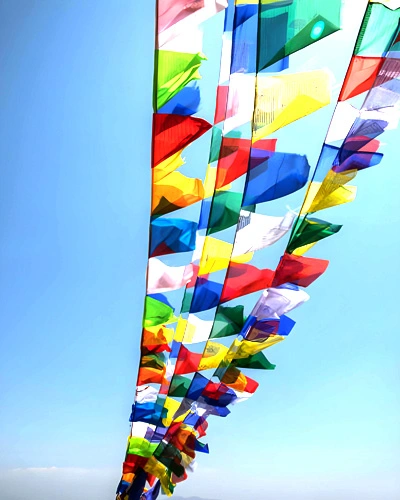
Along the way, trekkers immerse themselves in authentic Sherpa traditions, witness vibrant prayer flags fluttering in the mountain breeze, and experience warm hospitality in local teahouses. The moderate altitude and well-maintained trails make this trek accessible for those with some trekking experience, while the rich cultural heritage and panoramic views satisfy both adventure seekers and spiritual travelers.
The Tengboche Monastery Trek is not just a physical journey but also a deeply enriching cultural experience. It provides a rare opportunity to connect with Nepal’s Himalayan heritage, making it an unforgettable adventure for anyone drawn to the beauty, spirituality, and culture of the Everest region. Tengboche Monastery Trek DifficultyThe Tengboche Monastery Trek is classified as a moderate-level trek, perfect for trekkers with basic fitness and some previous trekking experience. The route features gradual ascents and descents, with elevations ranging from 2,846 meters at Lukla up to approximately 3,860 meters at Tengboche Monastery.
While the altitude is generally manageable, proper acclimatization and physical preparation are essential for a safe and enjoyable trekking experience. The itinerary includes an acclimatization hike to Hotel Everest View (3,880 m) near Namche Bazaar, which helps trekkers adjust to the thinner mountain air and reduces the risk of altitude sickness.
With well-marked trails and numerous teahouses along the way providing rest and refreshments, this trek is accessible to most hikers eager to explore the stunning Himalayan landscapes and immerse themselves in the rich Sherpa culture of the Everest region. Tengboche Monastery Trek CostThe cost of the Tengboche Monastery Trek varies depending on your travel dates, preferred comfort level, and the type of accommodation and services you choose. Typically, a general teahouse lodge trek ranges from $30 to $100 USD per day, with prices influenced by the quality of service and facilities offered.
During peak seasons like spring and autumn, prices tend to be higher due to increased demand, while the off-season offers more budget-friendly options. Your total expenses will include essential permits such as the Sagarmatha National Park Permit, meals, accommodation, and optional guide or porter fees if you hire assistance.
Whether you prefer a budget-friendly trek with basic teahouse stays or a more comfortable experience with upgraded lodging and personalized services, the Tengboche Monastery Trek offers flexible pricing to accommodate different travelers’ needs and budgets.
Itinerary (Plan)
Arrive in Kathmandu, Nepal's vibrant capital, where you'll be warmly welcomed with marigold garlands. After transferring to your hotel, take time to relax and acclimate to the bustling city. Discover vibrant local markets, indulge in traditional Nepali dishes, and delve into Kathmandu's rich cultural tapestry. This initial day is perfect for easing into your journey, setting the stage for the exciting adventures ahead in Eastern Nepal. A representative from Jagadamba Holidays will ensure a smooth and pleasant arrival.
Optional Evening Activity:
If you wish, you can spend your evening experiencing the Pashupatinath Aarti, a captivating religious ceremony held at the Pashupatinath Temple. The Aarti usually begins around 6:00 PM and lasts for approximately an hour. This ceremony is a mesmerizing display of traditional music and rituals, providing a profound insight into Hindu spiritual practices. Please check the exact time for the Aarti on the day of your visit, as it may vary. This option is not included in the standard itinerary but offers a unique opportunity to immerse yourself in local culture.
Normally, we book a flight from Kathmandu to Lukla (2,846 m / 9,350 ft.); however, if we are unable to secure a direct flight for some reason, we will need to take an alternative flight option via Ramechhap. If our flight to Lukla is scheduled from Manthali and we have extra time, we will explore the Kathmandu Valley before driving to Manthali for an overnight stay. However, if time is limited, we will depart from Kathmandu at 2 AM to catch the flight on Day 2. This will take approximately four hours to cover the distance of 132 kilometers to Manthali.
This early departure ensures that we arrive in time for the first flight from Ramechhap to Lukla, which departs at 6:30 AM. We will leave Kathmandu according to our scheduled departure time to guarantee a smooth journey to the airport.
Upon arrival at Lukla, your guide will introduce you to your porter. After a brief tea break, we will commence our trek to Phakding (2,620 m / 8,595 ft.). Phakding, a picturesque village and the largest settlement in the area, serves as an ideal first stop for many trekkers spending their initial night in the mountains. Once you arrive in Phakding, you'll enjoy a one-hour break to relax and take in the stunning surroundings. It is recommended to meet with your guide in the lobby afterward to discuss the evening's activities and the schedule for the following day.
Following your refreshment break at Lukla, embark on your trek to Phakding, traversing the scenic route through Nurning Ghat (2,590 m). The trek covers about 8.5 kilometers and takes approximately 3 to 4 hours. During this journey, you will ascend 190 meters and descend 380 meters.
After your breakfast at the lodge, embark on your trek to Namche Bazaar (3,440 m / 11,286 ft.), traversing the scenic route through Monjo (2,835 m). The trek covers about 9.5 kilometers and takes approximately 5 to 6 hours. During this journey, you will ascend 860 meters and descend 190 meters.
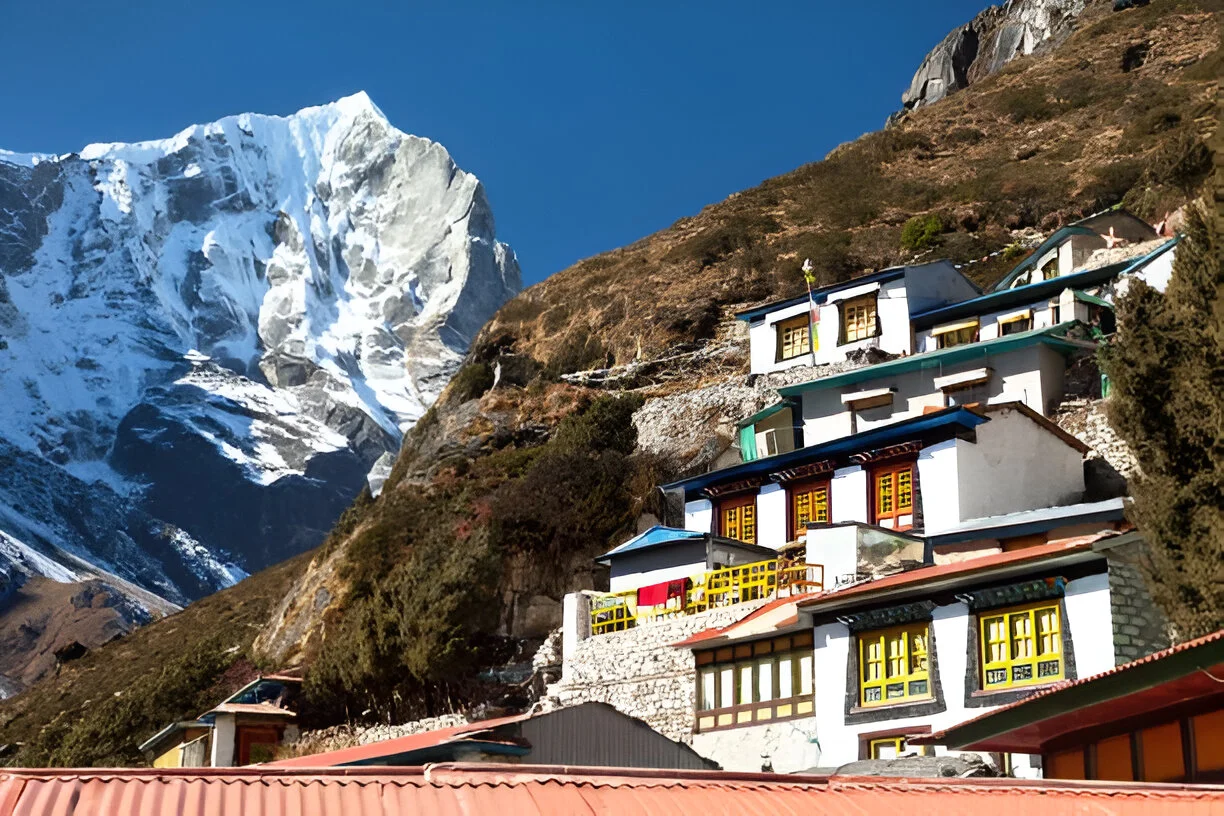
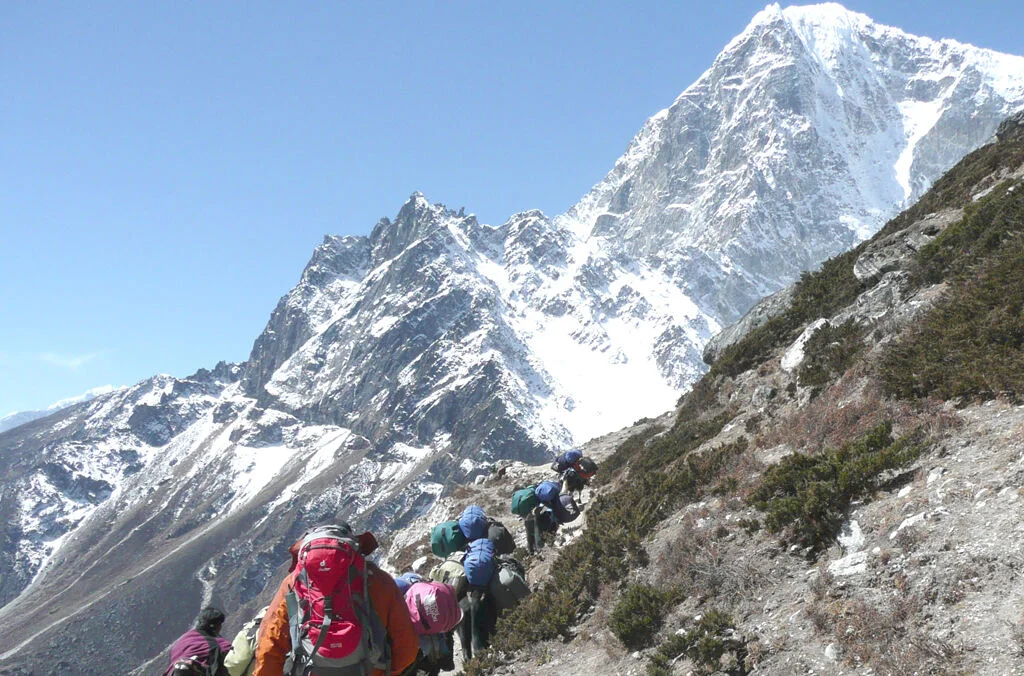
We embark on a picturesque trek in the Khumbu region along the Dudh Koshi River. Here, we'll cross stunning suspension bridges adorned with colorful prayer flags. As we navigate the trail, we pass through charming Sherpa villages and lush rhododendron forests, steadily ascending while soaking in breathtaking views of majestic snow-capped peaks.
This journey offers both beauty and challenge, making every step worthwhile. Upon reaching Namche Bazaar (3,440 m / 11,286 ft.), the largest Sherpa village and a vital trading hub, we’ll have ample opportunity to acclimatize to the altitude.
Namche Bazaar's vibrant market is bustling with shops, cafes, and bakeries, creating a lively atmosphere against the dramatic Himalayan backdrop. After checking into our lodge, you can relax, hydrate, and enjoy a warm meal. In the evening, we’ll gather with our group to share stories and reflect on the day’s adventures, setting the stage for an exciting acclimatization day ahead.
This trek from Phakding to Namche Bazaar not only showcases stunning vistas but also immerses you in the rich Sherpa culture, making it a memorable part of your Everest Base Camp journey.
Make the most of your acclimatization day in Namche Bazaar with a scenic and culturally immersive day hike to Thame, a tranquil Sherpa village nestled in the upper Bhote Koshi valley. After a nourishing breakfast, set off on this rewarding trek that combines breathtaking Himalayan views with an authentic introduction to Sherpa heritage and spirituality.
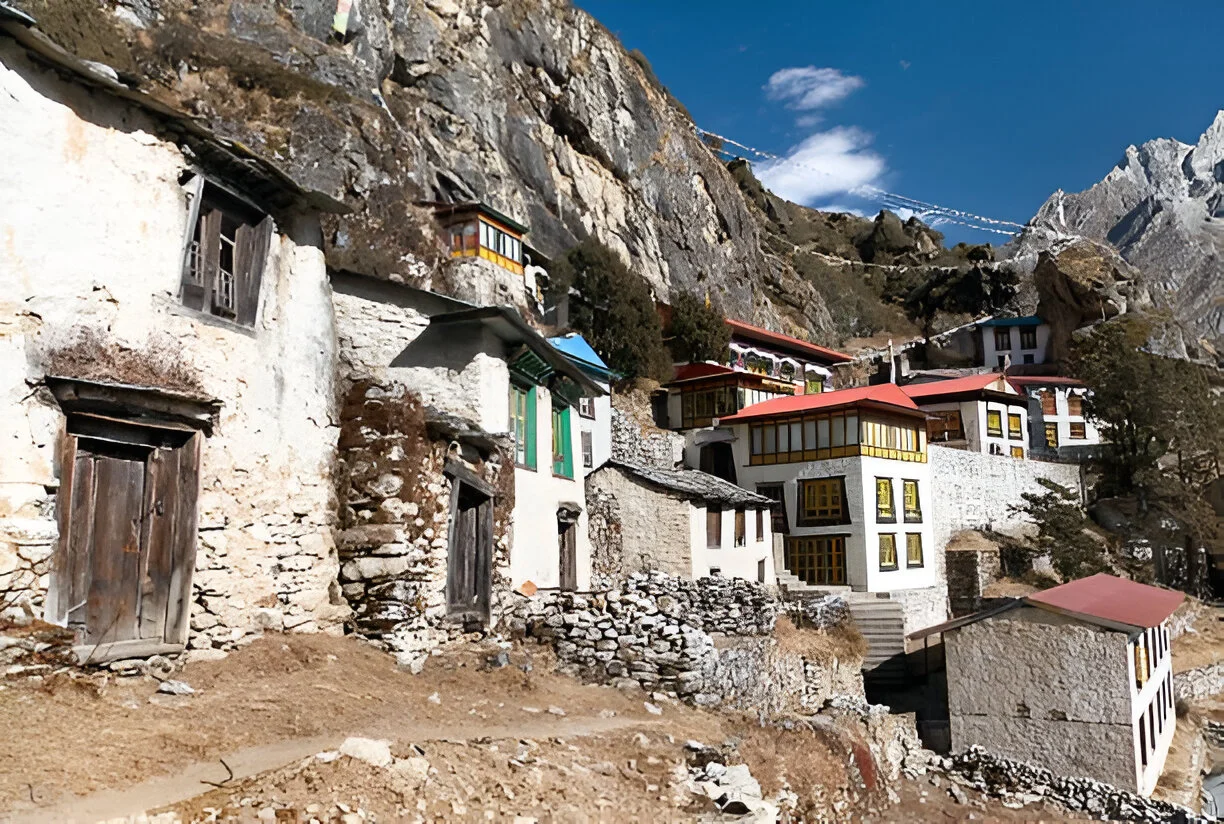
The scenic trek from Namche Bazaar to Thame village passes through fragrant pine and rhododendron forests, crossing traditional Sherpa villages like Thamo and Phurte. Along the trail, trekkers enjoy panoramic views of Himalayan peaks including Thamserku, Kangtega, and distant Mount Everest. At Thame, visit the historic Thame Monastery, a spiritual hub rich in Sherpa culture. This less-crowded route provides a peaceful alternative for acclimatization during Everest region trekking.
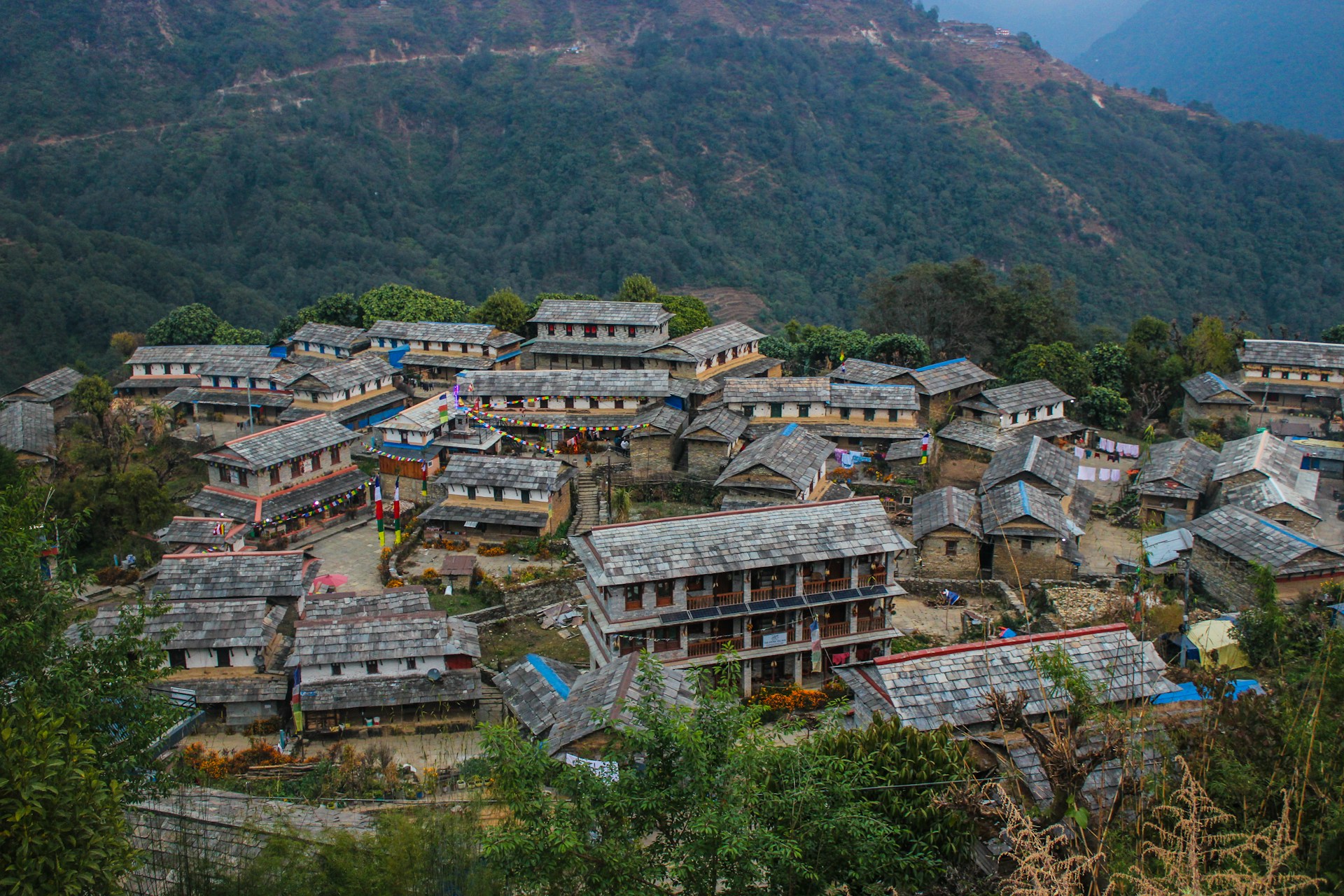
Upon reaching Thame (3,820 m / 12,533 ft), explore its deep cultural roots. This historic village is the birthplace of Tenzing Norgay, the legendary climber who first summited Everest with Sir Edmund Hillary. Visit the ancient Thame Monastery, perched gracefully on a hillside, and soak in the village’s spiritual ambiance, where colorful prayer flags and stone-built homes reflect centuries-old traditions.
After lunch and some quiet time in Thame, begin your return trek to Namche Bazaar. Spend your evening browsing local shops, enjoying stunning mountain views from a cozy café, or preparing for the next leg of your Everest region adventure. The round-trip trek from Namche Bazaar to Thame covers approximately 18 kilometers, typically taking 7 to 8 hours, with an ascent of about 560 meters and a descent of 560 meters.
After breakfast at your lodge in Namche Bazaar, begin your scenic trek to Khumjung (3,780 m / 12,402 ft), taking a picturesque route via the Everest View Hotel (3,880 m). This moderate hike covers approximately 4.5 kilometers, taking around 2 to 3 hours, with an ascent of 440 meters and descent of 100 meters. Along the way, enjoy panoramic views of Mount Everest, Ama Dablam, Lhotse, and Thamserku, making this an excellent acclimatization hike.
Upon arrival in Khumjung, check into your lodge and take some time to refresh. In the afternoon, set out on a short hike to Khunde village (3,840 m), where you can visit the historic Kunde Hospital, founded by Sir Edmund Hillary, and immerse yourself in authentic Sherpa culture. Explore traditional stone houses, prayer flags, and community life in this quiet Himalayan setting.
Return to Khumjung in the early evening for dinner and an overnight stay. Don’t miss the chance to visit Khumjung Monastery, home to a sacred Yeti relic, and stroll past the Hillary School, another legacy of Hillary’s contribution to the region.
This enriching day perfectly blends acclimatization, cultural exploration, and stunning Himalayan scenery, preparing you for the higher elevations to come.
Begin your day with a hearty breakfast in Khumjung (3,780 m / 12,402 ft.), a tranquil Sherpa village nestled beneath the majestic peaks of the Khumbu region. This trek covers approximately 5.5 kilometers and typically takes 4 to 5 hours, with an ascent of about 570 meters and a descent of 520 meters. Before setting out, take time to explore Khumjung’s cultural highlights, including the Khumjung Monastery—famous for a relic believed to be a Yeti scalp—and the school founded by Sir Edmund Hillary, a lasting contribution to the local community.
The trail begins with a steady ascent through lush meadows and rhododendron forests. Along the way, you may encounter yak herds, Himalayan birds, and possibly even a Himalayan tahr. Enjoy sweeping views of Ama Dablam, Kangtega, and occasional glimpses of Mount Everest, providing constant visual rewards as you gain elevation.
Upon reaching Mong La Pass (3,975 m / 13,041 ft.), take a well-earned break and soak in panoramic vistas of the Himalayas. This ridge offers one of the finest viewpoints in the region—perfect for capturing photographs or simply admiring the towering peaks in peaceful solitude.
From Mong La, begin your descent through fragrant pine forests and traditional Sherpa hamlets. The terrain gradually becomes more rugged, offering a light sense of adventure as you approach your destination. The quiet, untouched landscapes make this portion of the trek especially serene and memorable.
At 3,810 meters (12,500 ft.), Phortse is a charming and less-visited village known for its deep-rooted Sherpa traditions and welcoming atmosphere. After checking into your lodge, you may visit the local monastery or spend time interacting with the villagers, many of whom come from generations of skilled mountaineers.
As dusk settles behind the peaks, enjoy a warm, satisfying meal while reflecting on a day filled with natural beauty and cultural discovery. This scenic journey from Khumjung to Phortse via Mong La not only supports acclimatization but also offers a meaningful immersion into Sherpa heritage amidst the grandeur of the Everest region.
After a nourishing breakfast at your lodge in Phortse (3,810 m / 12,500 ft), set off on a short yet rewarding trek to Tengboche (3,860 m / 12,664 ft), a spiritual hub nestled in the heart of the Khumbu. Spanning roughly 3 kilometers, the trail typically takes 2 to 3 hours to complete, with an ascent of 250 meters and a descent of 230 meters, offering a balanced route ideal for acclimatization.
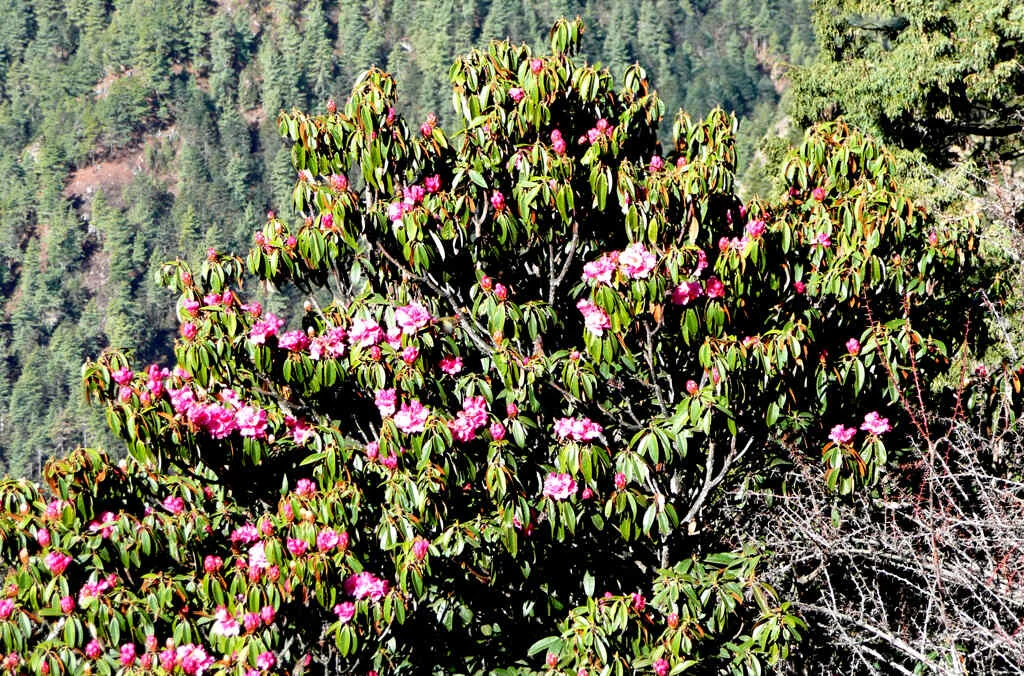
The day begins with a gentle descent through lush forests, where towering pines and blooming rhododendrons line the path. Along the way, keep an eye out for vibrant Himalayan wildlife—such as impeyan pheasants and Himalayan langurs—adding moments of excitement and charm to your journey. The trail is well-defined and traverses traditional Sherpa settlements, offering a glimpse into daily life in this high-altitude region.
As you approach Tengboche, the landscape opens up to breathtaking vistas of the surrounding Himalayan peaks. Towering icons such as Ama Dablam, Nuptse, and Mount Everest dominate the skyline, creating an awe-inspiring panorama that is ideal for photography and peaceful reflection.
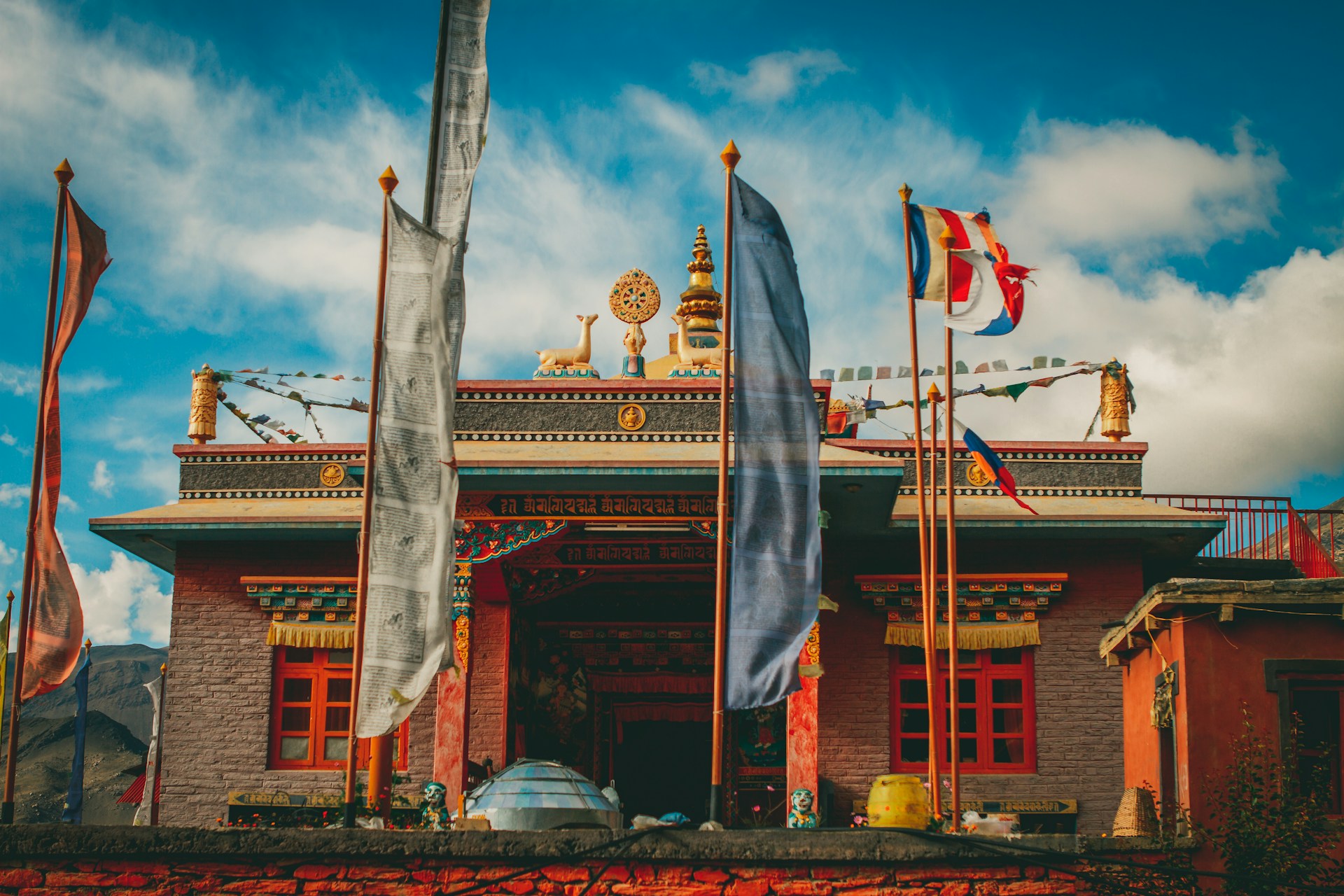
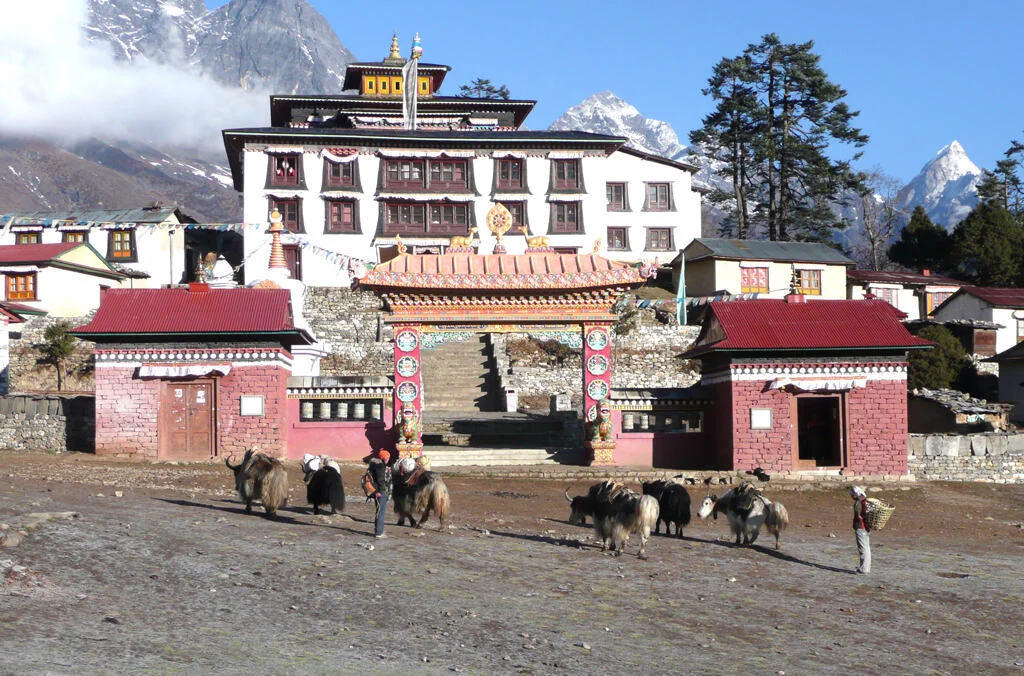
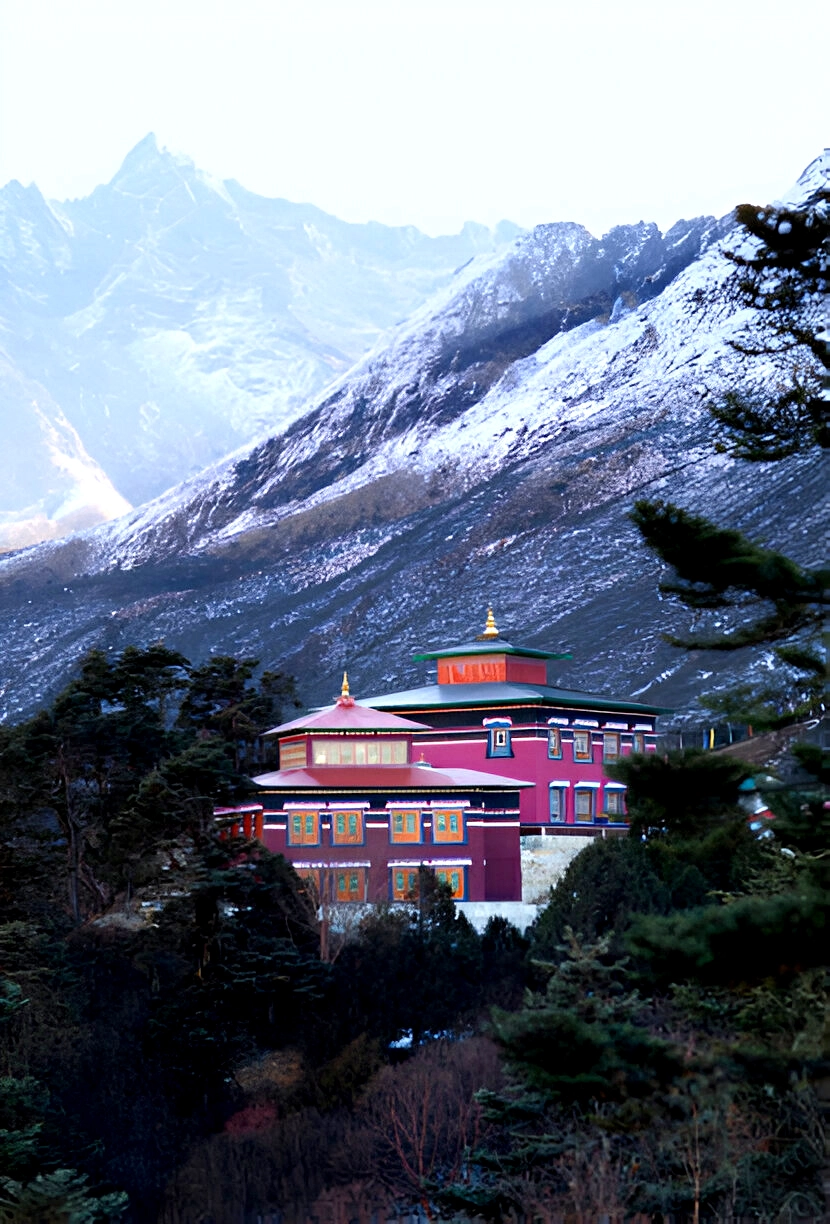
Tengboche is home to the famed Tengboche Monastery, the largest and most prominent Buddhist monastery in the Everest region. Upon arrival, you'll be welcomed by its distinctive red-and-white façade, colorful prayer flags fluttering in the wind, and the soft echo of monastic chants. If your timing aligns, you may have the rare opportunity to witness monks during their afternoon prayer ceremonies, a deeply moving experience marked by rhythmic drumming, incense, and spiritual recitations.
Take time to explore the monastery grounds, where ancient murals, spinning prayer wheels, and sweeping mountain views invite quiet introspection. The site holds deep cultural and spiritual importance for the local Sherpa community, serving as a center of both religious practice and cultural preservation.
After immersing yourself in the tranquil setting of Tengboche, retire to your lodge for the evening. Enjoy a warm meal as the sun dips behind the Himalayan peaks, and share stories with fellow trekkers in the cozy atmosphere of the teahouse.
This short yet enriching trek from Phortse to Tengboche blends natural splendor with cultural depth, offering a perfect balance of scenic trekking, spiritual discovery, and authentic Sherpa hospitality—making it a highlight of any Everest region adventure.
Begin your morning surrounded by the serene atmosphere of Tengboche Monastery, a cherished spiritual retreat in the heart of the Khumbu region. After breakfast at your lodge, take time to observe the monks during their morning prayers, where the melodic chants and rhythmic drumming create a calming and sacred atmosphere. With the Himalayas rising dramatically behind the monastery, this experience offers a rare blend of spiritual depth and natural grandeur, leaving a lasting impression on every visitor.
Once the rituals conclude, your trek toward Khyangjuma (3,620 m / 11,877 ft.) begins. This leg of the journey covers approximately 5.5 kilometers, taking 3 to 4 hours, with an elevation gain of 300 meters and a descent of 540 meters.
The trail descends gently through vibrant rhododendron forests, opening up to awe-inspiring views of Ama Dablam, Thamserku, and other Himalayan giants. As you descend into Phunki Tenga, a riverside hamlet nestled in a tranquil forested valley, the soothing sounds of flowing water and birdsong enhance the serene trekking experience.
Here, take a well-earned break and enjoy your packed lunch amidst this peaceful setting—an ideal moment to recharge before the final stretch of the day’s journey.
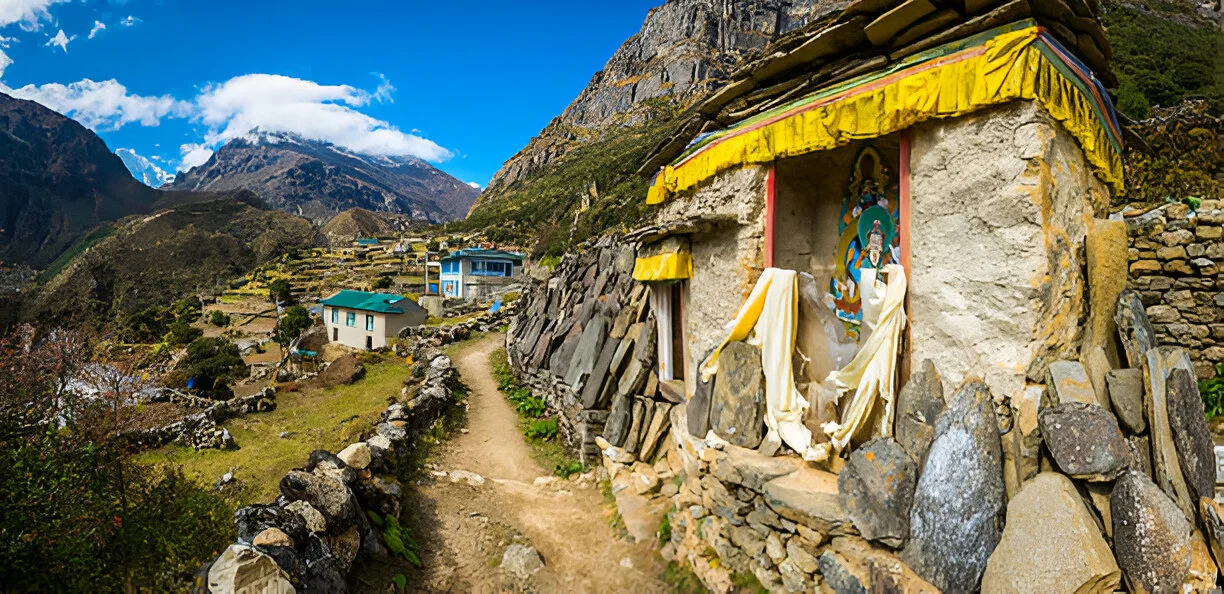
After lunch, continue ascending gradually toward Kyangjuma, a small yet scenic settlement located on a ridge. The trail winds through alpine woodlands and Sherpa villages, offering rich glimpses of daily life in the mountains. Along the way, you might spot Himalayan wildlife, such as musk deer or colorful Danphe (the national bird of Nepal), as well as fluttering prayer flags and Mani walls that mark sacred spots along the path.
Upon reaching Kyangjuma, you'll be welcomed by sweeping panoramic views of Everest, Lhotse, and Ama Dablam. This charming village is known for its peaceful ambiance and strong Sherpa community, providing a great opportunity to engage with locals and learn more about their traditions and lifestyle.
Settle into your lodge for the evening, where you can relax, enjoy a hearty dinner, and exchange stories with fellow trekkers. The journey from Tengboche to Kyangjuma blends sacred encounters with majestic scenery, making it a deeply fulfilling chapter of your Himalayan adventure.
After a nourishing breakfast at your lodge in Kyangjuma, begin your day’s journey towards the peaceful village of Monjo (2,835 m / 9,301 ft). This beautiful trail winds through the dramatic landscapes of the Khumbu region and covers about 10 kilometers, taking around 4 to 5 hours. Today’s trek involves a gentle ascent of 100 meters and a descent of roughly 910 meters, guiding you through a rich blend of nature and culture.
As you depart from Kyangjuma, the path gently slopes downward, unveiling spectacular panoramas of towering peaks such as Ama Dablam and Thamserku rising above the valley. Spring travellers are treated to bursts of colour as rhododendron forests come to life, with the sounds of birdsong enhancing the peaceful atmosphere. The well-trodden path makes this portion of the trek enjoyable for trekkers of all levels.
Your route brings you back to Namche Bazaar, the energetic hub of the Everest region. Pause here to explore the lively town, browse through its mountain gear shops and local markets, or enjoy a cup of tea in one of the inviting cafés. The panoramic mountain vistas visible from Namche offer a perfect backdrop for a well-earned rest.
Once you’ve soaked up the charm of Namche, continue your descent toward Monjo. This leg of the trek takes you through terraced farmland and traditional Sherpa villages, where you may observe daily life and warm hospitality. You’ll cross suspension bridges over the Dudh Koshi River, which flows through the valley below, adding both beauty and symbolism to the journey.
Approaching Monjo, the trail leads into serene woodlands with opportunities to spot Himalayan wildlife, such as Himalayan tahrs or colorful pheasants. Nestled at the entrance of Sagarmatha National Park, Monjo is a quiet village where trekkers can unwind and reflect after a rewarding day.
Arrive at your lodge and unwind with a warm, satisfying dinner, reflecting on the day’s journey in the comfort of your mountain retreat. This scenic route from Kyangjuma to Monjo, via Namche Bazaar, not only showcases the natural grandeur of the Himalayas but also connects you with the region’s rich Sherpa culture and way of life.
After enjoying breakfast at your lodge in Monjo, begin your final day on the trail as you make your way to Lukla (2,846 m / 9,350 ft). This leg of the trek spans approximately 12.5 kilometers and takes around 4 to 5 hours, with a gradual ascent of 410 meters and a descent of about 330 meters.
Your day begins with a gentle walk along the banks of the Dudh Koshi River, the sound of rushing glacial waters accompanying your steps. The trail winds past terraced hillsides, charming stone villages, and dense forests of pine and rhododendron that bring bursts of color to the landscape, especially in spring. Keep your eyes open for wildlife such as Himalayan monals or playful langurs, which occasionally appear along the path.
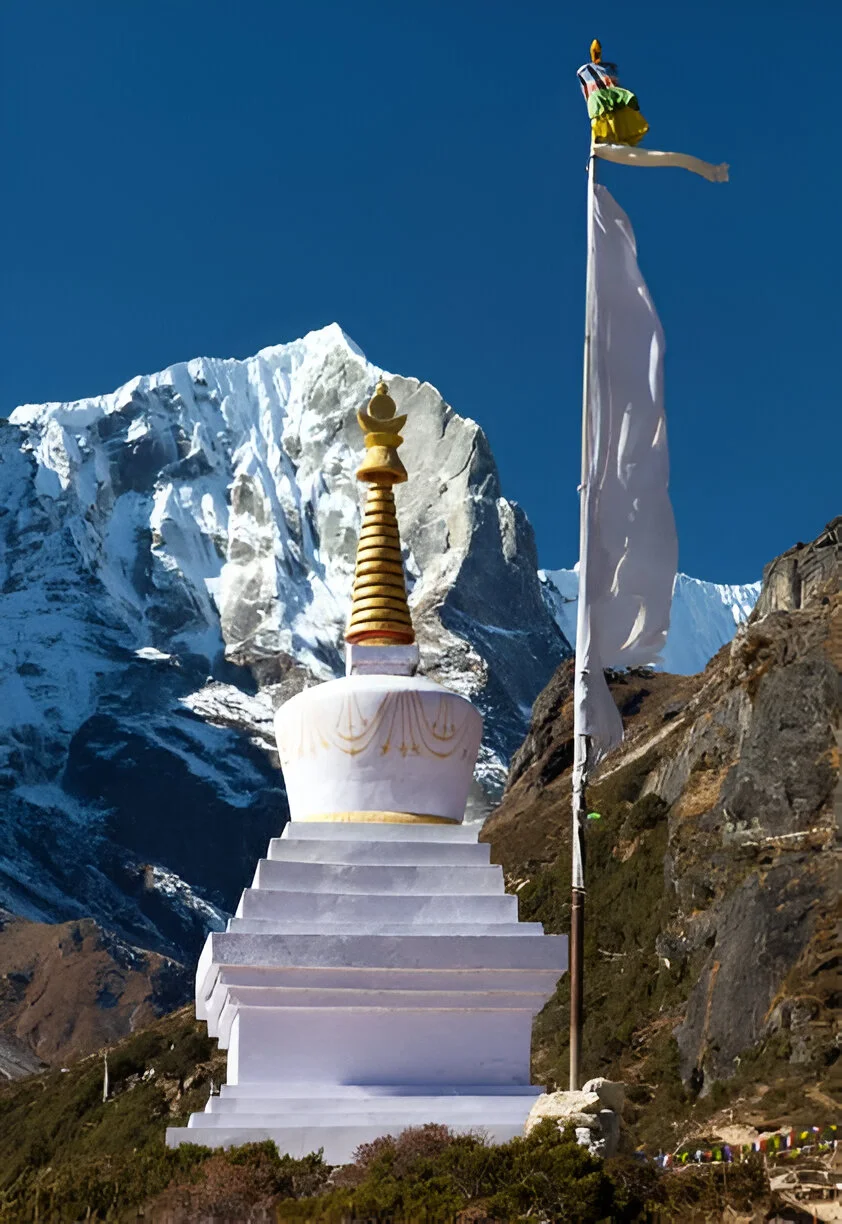
As you retrace your steps through Phakding (2,620 m), you’ll begin to feel the gentle transition from highland wilderness to the more populated lower hills. This section is an opportunity to take in your final moments of trekking through the Khumbu region, soaking in the beauty of prayer wheels, mani stones, and fluttering prayer flags that line the trail and whisper blessings to each passing traveler.
The journey’s deep cultural experiences leave an impression as powerful as the breathtaking Himalayan landscapes. You may be greeted by locals along the way or pass groups of fellow trekkers sharing stories of their Himalayan experiences. The small tea houses and villages offer glimpses into daily Sherpa life, and the peaceful rhythm of the trail allows time for quiet reflection.
As you near Lukla, the sense of completion begins to set in. This vibrant town marks the end of your trekking adventure and the gateway back to the outside world. Home to the Tenzing-Hillary Airport, Lukla buzzes with energy from trekkers arriving and departing, making it a place full of anticipation and reflection.
Upon arrival, check into your lodge, unwind, and enjoy a warm meal. This final stretch from Monjo to Lukla is more than a conclusion—it’s a chance to appreciate everything the Himalayas have offered, from awe-inspiring peaks to the enduring spirit of the Sherpa people.
After an unforgettable journey through the breathtaking landscapes of the Everest region, it's time to conclude your adventure with a scenic return flight from Lukla to Kathmandu. This flight is not only a means of transportation but also an extension of your Himalayan experience, offering stunning aerial views that will leave you in awe.
As you board the small aircraft, the excitement builds for the final leg of your trek. The flight from Lukla, known for its challenging runway, will take you on a thrilling journey above the majestic mountains you’ve spent days trekking through. As the plane ascends, you'll be treated to panoramic views of the rugged Himalayan terrain, including towering peaks and deep valleys. On a clear day, you might catch glimpses of some of the world’s highest mountains, including Lhotse, Makalu, and, of course, the iconic Mount Everest.
The flight typically lasts about 30 to 40 minutes, providing ample time to soak in the breathtaking scenery. The pilot often maneuvers the plane in a way that allows passengers to see both sides, so be sure to have your camera ready. The vibrant colors of the landscapes below contrast beautifully with the stark whites of the snow-capped peaks, creating a stunning visual tapestry.
Upon arriving at Tribhuvan Domestic Airport, you will be welcomed back to the vibrant city of Kathmandu, where the lively atmosphere and rich culture await your exploration. The transition from the serene mountains to the vibrant energy of the capital is a reminder of the diverse experiences Nepal offers. After collecting your luggage and possibly sharing stories with fellow trekkers, you’ll have the opportunity to explore the rich cultural heritage, delicious cuisine, and lively markets of Kathmandu.
This return flight not only marks the end of your trek but also serves as a perfect conclusion to an adventure filled with breathtaking landscapes, cultural encounters, and personal reflections. Cherish the memories you’ve created in the heart of the Himalayas, as they will stay with you long after your journey concludes.
Begin your cultural exploration of the Kathmandu Valley at 9 AM with a visit to Patan Durbar Square, renowned for its stunning Newari architecture and ancient temples. Continue to Bhaktapur Durbar Square, famous for its medieval charm, exquisite palaces, and the iconic 55-Window Palace. Conclude your day with a visit to Changu Narayan Temple, one of Nepal's oldest Hindu temples, offering rich historical significance and panoramic views of the valley. This itinerary provides a comprehensive glimpse into Nepal’s architectural heritage and spiritual history.
Patan Durbar Square
Located in the heart of Lalitpur, Patan Durbar Square is a remarkable showcase of Newari culture and craftsmanship. This historic square is home to intricate temples, ornate wooden carvings, and beautiful courtyards. Discover the spiritual gems of Patan, featuring the Golden Temple (Hiranya Varna Mahavihar), a 12th-century Buddhist sanctuary richly decorated with radiant gold statues. Also, visit the Mahabouddha Temple, an exquisite terracotta masterpiece inspired by India’s Mahabodhi Temple, renowned for its intricate array of countless tiny Buddha sculptures that celebrate deep artistic devotion. The centerpiece, Patan Palace, houses the acclaimed Patan Museum, offering insight into Nepalese art, culture, and spiritual traditions. A visit here provides a vivid experience of Newar heritage, where history and artistry converge.
Bhaktapur Durbar Square
A UNESCO World Heritage Site, Bhaktapur Durbar Square is a preserved example of medieval Newar architecture and urban design.Explore Bhaktapur’s architectural marvels such as the finely carved 55-Window Palace, the Vatsala Temple with its stone craftsmanship, and the towering Nyatapola Temple, a five-tier pagoda honoring Goddess Siddhi Lakshmi, showcasing Newar artistry at its finest. The square is also known for its traditional pottery, artisan workshops, and vibrant local life. This area delivers a rich sensory and historical experience, making it a must-visit for those interested in Nepal’s living heritage.
Changu Narayan Temple
Changu Narayan Temple, situated on a forested hilltop near Bhaktapur, is Nepal’s oldest known Hindu shrine, dating to the Lichhavi era (4th century CE). Dedicated to Lord Vishnu, it features rare stone sculptures, wood carvings, and inscriptions that reflect centuries of sacred art and devotion. The site offers breathtaking views of the Kathmandu Valley, and its serene setting makes it ideal for quiet reflection. Changu Narayan is a UNESCO-listed site and an enduring symbol of Nepal’s spiritual and architectural legacy.
Start your day at 9 AM with a guided tour of Kathmandu’s most iconic spiritual sites. Begin at Swayambhunath Stupa, known as the Monkey Temple, perched atop a hill offering sweeping views of the Kathmandu Valley. Then proceed to the majestic Boudhanath Stupa, a key center of Tibetan Buddhism, famed for its enormous white dome and surrounding monasteries. Finally, visit the sacred Pashupatinath Temple on the banks of the Bagmati River, a vital Hindu pilgrimage site celebrated for its ancient pagoda architecture and vibrant religious ceremonies.
Swayambhunath Stupa (Monkey Temple):
Perched atop a hill, Swayambhunath is a historic Buddhist site offering sweeping views across Kathmandu Valley. This revered stupa is distinguished by its golden spire adorned with the all-seeing eyes of Buddha, symbolizing wisdom and compassion. The temple grounds are home to numerous shrines and monasteries, as well as playful monkeys, giving it the popular nickname “Monkey Temple.” Its peaceful environment and breathtaking vistas make it an essential destination for both spiritual reflection and cultural exploration.
Boudhanath Stupa:
Located in the heart of Kathmandu, Boudhanath is one of the largest and most significant stupas in Nepal. Its massive white dome and gilded spire represent the cosmos, surrounded by colorful prayer flags and Mani stones. Devotees and visitors perform clockwise circumambulations while spinning prayer wheels and chanting mantras, creating a deeply meditative environment. The area surrounding Boudhanath thrives with Tibetan monasteries, shops, and eateries that immerse visitors in rich Tibetan culture and spirituality.
Pashupatinath Temple:
Situated on the sacred banks of the Bagmati River, Pashupatinath is Nepal’s most important Hindu temple dedicated to Lord Shiva. A UNESCO World Heritage Site, it features stunning pagoda-style architecture decorated with intricate wood and metal carvings. The temple complex is a bustling hub for Hindu worship, rituals, and cremation ceremonies held on the nearby ghats. Visitors can observe sadhus (holy men) and partake in the spiritual ambiance, gaining insight into Nepal’s vibrant Hindu traditions and customs.
Concluding Your Journey in Nepal
As your remarkable journey through the Himalayas comes to an end, take a moment to reflect on the awe-inspiring natural beauty, rich cultural heritage, and memorable experiences that have defined your time in Nepal. From the majestic mountain landscapes to the warm hospitality of the local communities, every moment has contributed to an unforgettable adventure.
Airport Transfer by Jagadamba Holidays
To ensure a smooth and timely departure, an official representative from Jagadamba Holidays will collect you from your hotel 3.5 hours prior to your scheduled flight departure. Our team is committed to providing a reliable and comfortable transfer service to Tribhuvan International Airport, allowing you to conclude your journey with peace of mind.
We sincerely appreciate your trust in Jagadamba Holidays and hope to have the pleasure of serving you again on your future journeys.
Group Size & Pricing
| Group Size (Pax) |
2 - 2 |
3 - 3 |
4 - 4 |
5 - 6 |
7 - 8 |
9 - 10 |
11 - 12 |
13 - 14 |
15 - 16 |
| Cost Per Person |
$1,863 |
$1,833 |
$1,803 |
$1,803 |
$1,773 |
$1,743 |
$1,683 |
$1,653 |
$1,623 |
Cost Include
- All transfers within Nepal are included as per itinerary
- Any domestic flight of Nepal as per trekking itinerary
- Trekking accommodation (hotel, lodge and/or tent) as per itinerary
- Small shared room with shared bathroom during trek in Nepal
- In Kathmandu and/or Pokhara: Stay at ***Hotel with breakfast
- Luggage for porters during the trek (12.5 kg/person)
- Enjoy unlimited breakfast, lunch, and dinner throughout the trek.
- Unlimited tea or coffee for breakfast during the trek
- An English speaking guide (trekking/tour) as per Itinerary
- Travel insurance for trekking staff (guides and porters)
- All expenses of trekking staff(s) during trekking
- Includes all conservation, national park, trekking, and climbing permits
- Sightseeing / Wildlife tours if included in the itinerary
- Farewell dinner in Kathmandu before returning home
Cost Exclude
- Single room/single tent surcharge (on request)
- Round trip/one way international flight ticket to Nepal.
- Tourist visa for Nepal (30-50 $, depending on length of stay)
- Personal Insurance (covers: Trip/flight cancellation, helicopter rescue)
- Meals (lunch, dinner) at hotels in Kathmandu, Pokhara and other cities
- Drinks (soft, hot or mineral/boiled water) during the lodge trek
- Any personal trekking and/climbing equipment for trekking in Nepal
- Hotel expenses in case of early return from trekking for any reason
- Costs due to flight cancellations & extra porters/horses during the trek
- Additional costs incurred due to any reason beyond Jagdamba’s control
- More evidence about pandemics like COVID-19 if needed in the future.
- Personal expenses during the trek (phone, wifi, shower, charging etc.)
- Other costs and things that are not mentioned in the service inclusion
- Gratuity for trekking staff (recommended: 9€ /10$ per traveler per day)
|



 Trip Overview
 Travel Itinerary
 Cost Includes
 Cost Excludes
 Fixed Departure
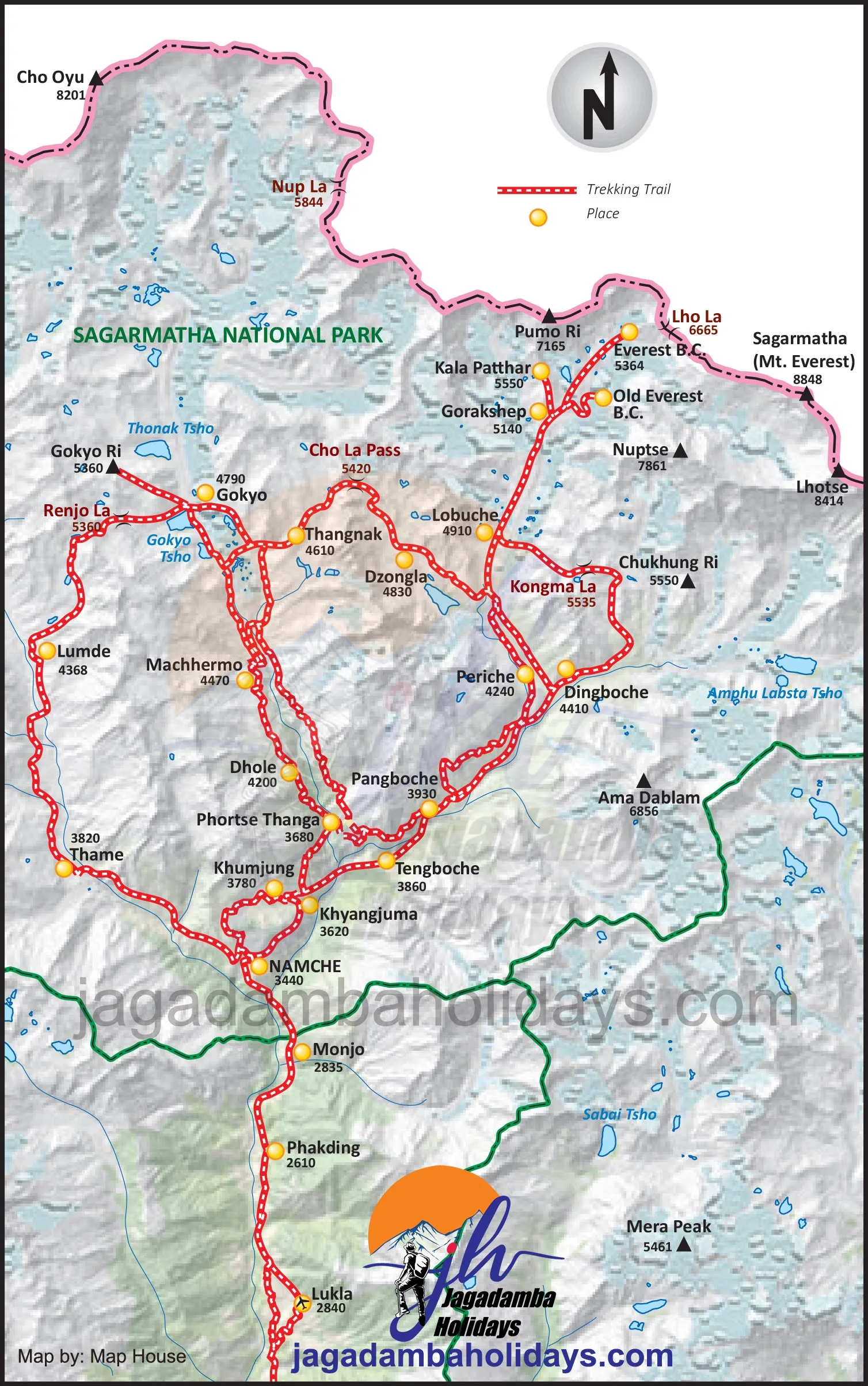
 Route Map
 Frequently Asked Questions
 Reviews And Rating