

Introduction to Bisket Jatra Festival
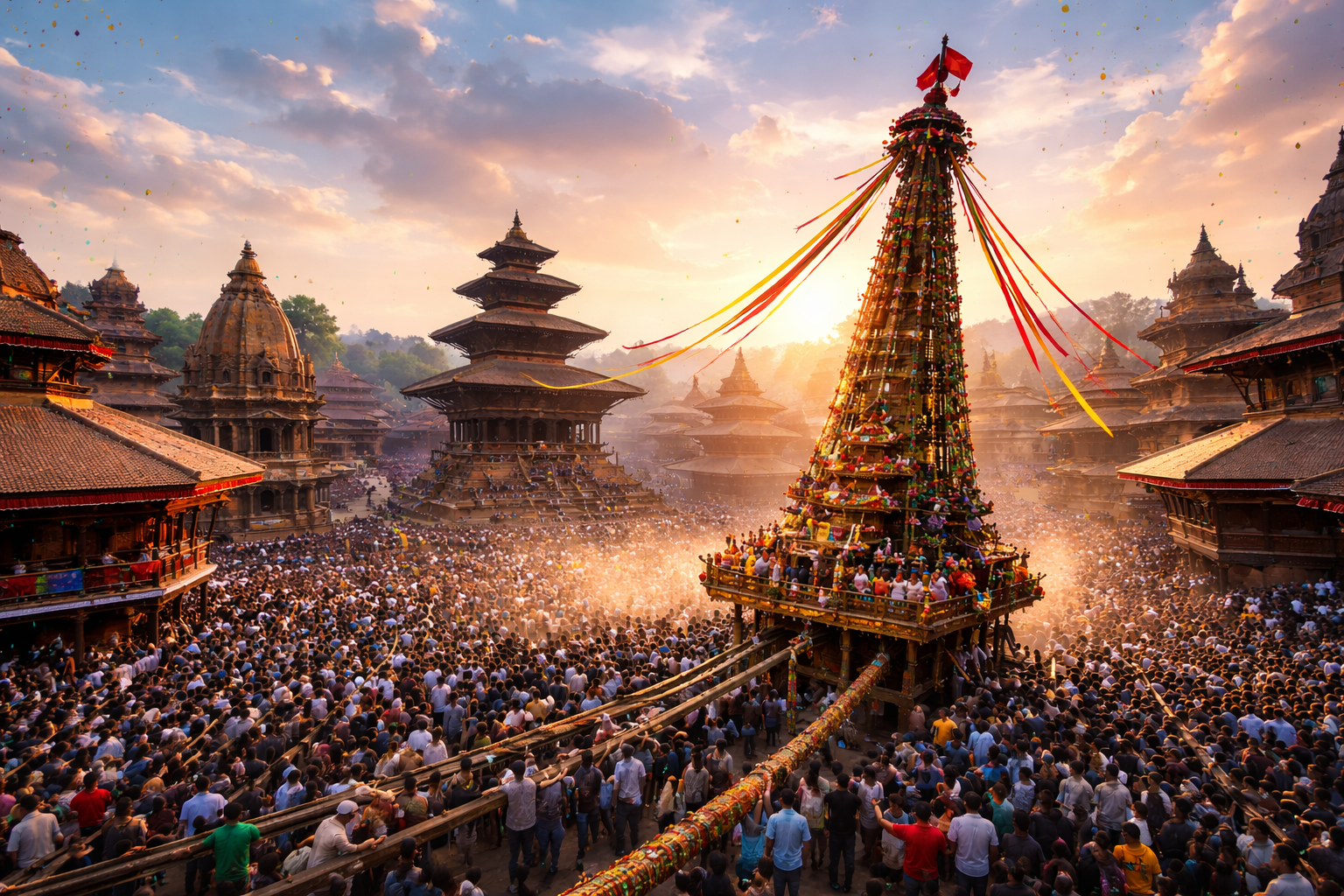
Bhaktapur Bisket Jatra is one of the most exciting and colorful festivals in Nepal. It is celebrated every year in the old city of Bhaktapur to welcome the Nepali New Year festival. During this time, the streets fill with people, music, and joy. The main highlight of Bhaktapur Bisket Jatra is the pulling and “climbing” of large wooden chariots, which carry the images of gods through the city. People in the area work together to move these heavy chariots, making the scene dynamic and forceful.
This special event is also known as a famous Newari festival Nepal, showing the rich culture and traditions of the Newar community. During the event, people can see old rituals, traditional clothing, and a strong sense of community.
Bhaktapur Bisket Jatra is not just a festival; it is a unique cultural experience.
Where Is Bisket Jatra Celebrated?
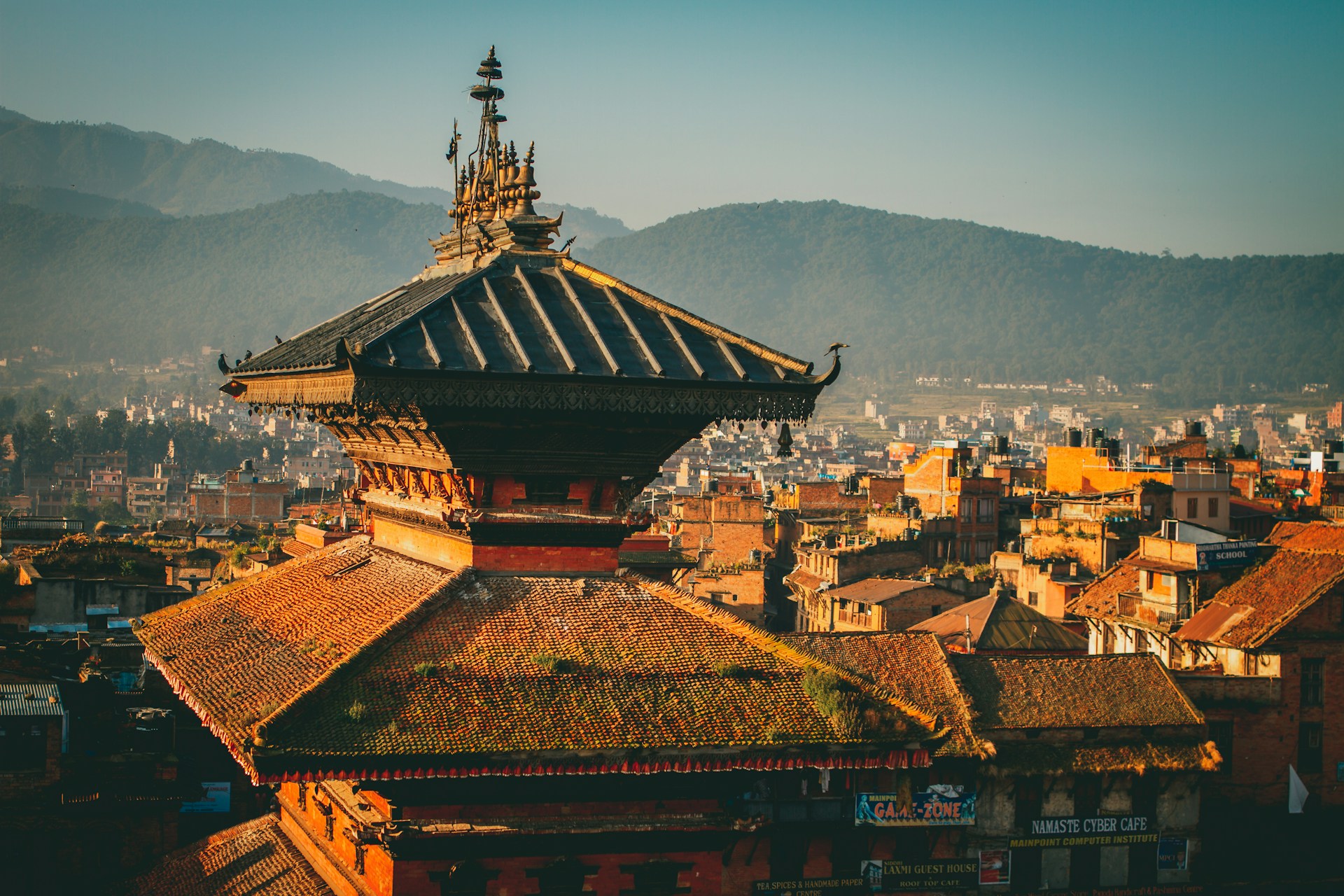
Bhaktapur Bisket Jatra is celebrated in the historic city of Bhaktapur, which lies about 13 kilometers east of Kathmandu. This old city is a great setting for a big festival because it has a lot of culture, temples, and a traditional Newari way of life.
The main celebrations take place in important areas like Bhaktapur Durbar Square, Taumadhi Square, and near the famous Nyatapola Temple. During the festival, these sites come to life with big crowds watching and taking part in the events.
One of the most exciting parts of Bhaktapur Bisket Jatra happens in the narrow streets, where huge wooden chariots are pulled by groups of people. The Yosin Pole area is another important place. A tall ceremonial pole is raised and then lowered there, signifying distinct parts of the celebration.
Visitors can easily go from one site to another in Bhaktapur and enjoy everything that happens there.
Dates and Duration of Bisket Jatra 2026
The Bhaktapur Bisket Jatra 2026 will be celebrated in mid-April, following the traditional Nepali calendar. This festival is very important to the culture of Bhaktapur because it is so closely tied to the Nepali New Year.
Here are the key dates and details in simple points:
- Main Festival Day: April 14, 2026 (New Year Day)
- Festival Duration: About 8 nights and 9 days
- Expected Start Date: Around April 10, 2026
- Expected End Date: Around April 18, 2026
Even though the specific dates may alter a little from year to year because of the lunar calendar, the general schedule stays the same.
During this time, different events take place across the city:
- Large wooden chariots of gods are pulled through the streets
- The tall ceremonial pole (Yosin) is put up and then taken down.
- People come together to celebrate with music, lights, and old-fashioned rituals.
The most exciting days are usually:
- April 13–15, 2026, when major chariot pulling and New Year celebrations happen
If you want to experience the best moments of Bhaktapur Bisket Jatra, these are the ideal days to visit.
Full Schedule of Bisket Jatra Events
The Biska Jatra is a lively, multi-day festival featuring fun traditions and community events. Each day has a special role, and the events follow a meaningful order.
Here is the full schedule explained in simple points:
Day 1: Festival Begins
- Chariots of the gods are prepared and placed in Taumadhi Square.
- The start of the festival is marked by opening ceremonies.
Day 2–3: Chariot Pulling Starts
- Large wooden chariots of Bhairab and Bhadrakali are pulled through the streets
- Groups of people pull from different sides, creating an exciting atmosphere
Day 4–5: Celebrations Grow
- More visitors gather around Nyatapola Temple
- There is music, traditional dancing, and a lot of energy in the streets.
Day 6: Yosin Pole Raising
- A tall wooden pole (Yosin) is raised in Yosin Pole area
- This is an important spiritual event of the festival
Day 7: Nepali New Year Day
- The biggest and most joyful day
- Chariots are pulled again with huge crowds celebrating together
Day 8: Yosin Pole Falling
- Pulling down the tall pole marks the end of the old year.
- This is one of the most exciting times.
Day 9: Closing Ceremonies
- Final prayers and small rituals take place
- The festival slowly comes to an end
The Bisket Jatra Nepal offers something special every day, making it a truly unforgettable cultural experience.
Major Highlights of the Festival
The Bisket Jatra festival is full of exciting moments that make it one of the most unique celebrations in Nepal. Each highlight reveals how rich Bhaktapur's culture is and how strong its communal spirit is.
Here are the major highlights you should not miss:
1. Chariot Pulling (Rath Yatra)
- The biggest attraction of the festival
- Big wooden chariots of Bhairab and Bhadrakali are pulled through small streets.
- Groups from various places pull in opposite directions, which makes for exciting energy.
2. Yosin Pole Ceremony
- A tall wooden pole is raised and later pulled down
- This symbolizes the end of the old year and the start of a new one
- It takes place in the open area of Yosin Pole area
3. Celebration at Nyatapola Temple
- One of the main gathering spots during the festival
- There are a lot of people, music, and lights in the temple area.
4. Traditional Music and Dance
- Local people perform cultural dances and play traditional instruments
- Visitors can enjoy real Newari culture up close
5. Street Festivities and Local Life
- The whole city becomes a place to celebrate.
- Food, laughter, and happiness fill the streets.
6. Welcoming the New Year
- The festival is closely connected to the Nepali New Year
- People celebrate with happiness, hope, and togetherness
The Bisket Jatra is not just about watching events—it is about feeling the energy, culture, and history all around you.
History and Cultural Significance
The Biska Jatra is not just a festival—it is a tradition with a long and meaningful history. In Bhaktapur, this festival has been going on for hundreds of years, making it one of Nepal's oldest and most important festivals.
According to local stories, the festival began from an ancient legend about a princess and two serpents. It is believed that a young man discovered the secret behind a mysterious problem and helped save the kingdom. To remember this event, people started celebrating Bhaktapur Bisket Jatra every year.
The event is also very much about worshiping gods like Bhairab and Bhadrakali. People commemorate these gods and seek for protection, good luck, and peace in the next year by taking part in the big chariot procession.
Culturally, Bisket Jatra festival shows the strong traditions of the Newar community. It reflects unity, teamwork, and respect for ancient customs. The way people come together to pull chariots, celebrate in the streets, and follow rituals shows how important community life is in Bhaktapur.
This festival is also linked to the Nepali New Year, symbolizing the end of one year and the beginning of another with hope and happiness.
Overall, the festival keeps history alive and passes traditions from one generation to the next.
Travel Tips for Attending Bisket Jatra
Attending the Bisket Jatra 2026 is an exciting experience, but it is important to plan well so you can enjoy it safely and comfortably.
Here are some simple and useful travel tips:
Plan Your Visit Early
- Visit during the main days (April 13–15) for the best experience
- Make a reservation at your accommodation ahead of time because Bhaktapur gets highly busy.
Reach Bhaktapur on Time
- Start your day early to avoid traffic and large crowds
- Walking is the best way to explore the festival areas
Stay Safe in Crowds
- Large groups gather during chariot pulling events
- Stay a safe distance away from moving chariots.
- Be careful and listen to what the locals say.
Dress Comfortably
- Wear light and comfortable clothes
- Choose good walking shoes, as you will walk a lot
- Carry a hat or sunscreen during sunny days
Respect Local Culture
- The festival is religious and cultural, so behave respectfully
- Ask permission before taking close photos of people
Try Local Food Carefully
- Eat snacks and street cuisine from the area.
- For improved hygiene, pick stalls that are clean and busy.
Keep Essentials With You
- Take some cash, water, and a small bag with you.
- In busy places, keep your phone and other valuable things safe.
Follow Local Guidance
- Pay attention to local authorities and announcements.
- To prevent getting lost, follow the crowd.
The Bhaktapur Bisket Jatra is full of energy, culture, and unforgettable moments. With these tips, you can enjoy the festival safely and make the most of your visit.
Nearby Attractions in Bhaktapur
While visiting the Bhaktapur Bisket Jatra, you can also explore the rich culture, history, and architecture of Bhaktapur. There are several lovely temples, squares, and small lanes in the city that show its Newar past.
Here are some top nearby attractions you should not miss:
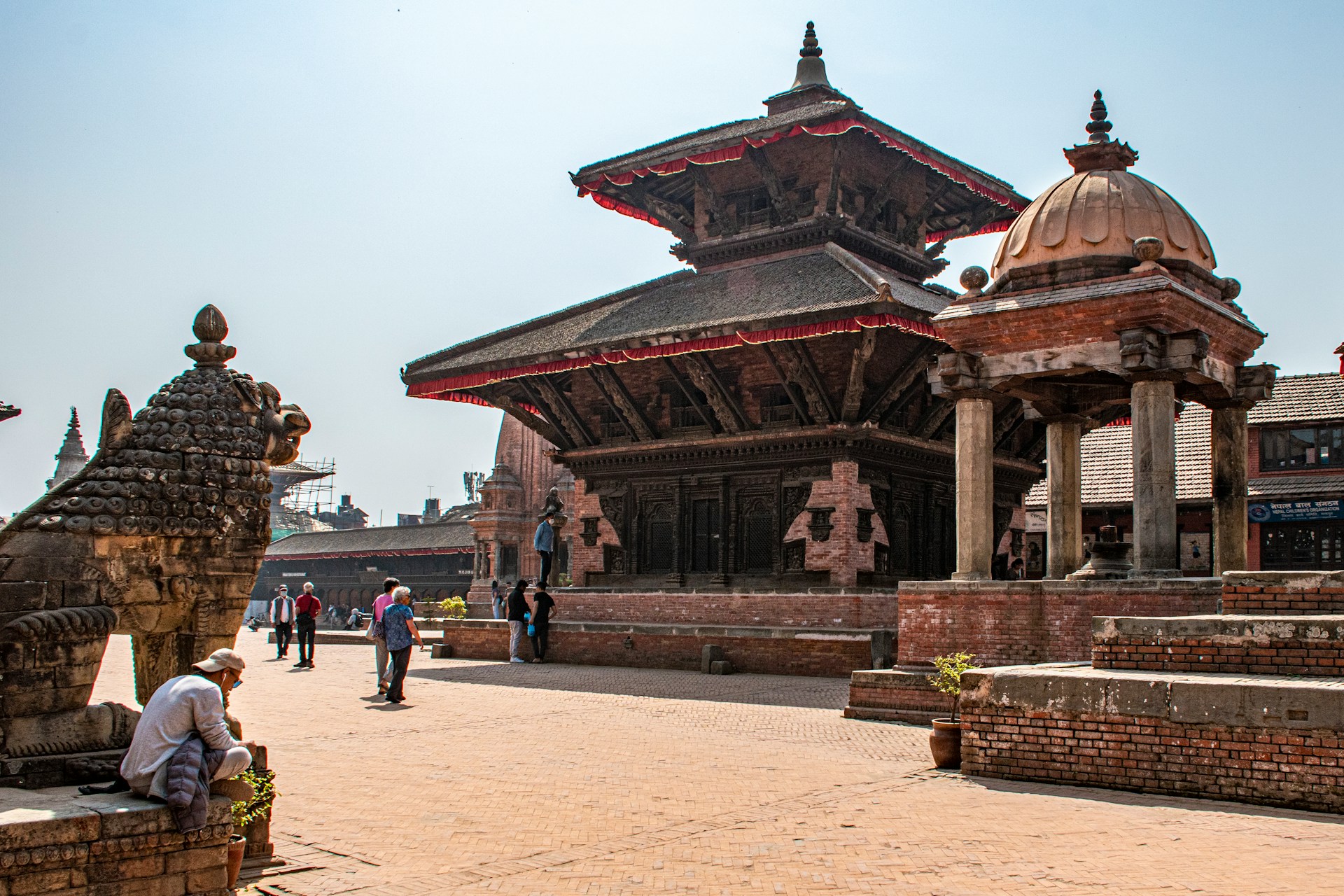
1. Bhaktapur Durbar Square
- This is the heart of Bhaktapur and a UNESCO World Heritage Site.
- Full of old temples, palaces, and statues
- A great site to get a close-up look at local life and festivals
2. Nyatapola Temple
- One of the tallest pagoda-style temples in Nepal
- It was built in the 18th century and is dedicated to the goddess Siddhi Lakshmi.
- Visitors enjoy its unique architecture and the festival decorations during Bisket Jatra
3. Taumadhi Square
- Famous for being the main stage of chariot pulling events during the festival
- There are ancient houses and stores all around.
- A busy place where you may watch traditional dances and ceremonies
4. Dattatreya Square
- Known for its 550-year-old Dattatreya Temple
- It has traditional wood carvings and old courtyards that make it a cultural asset.
- Less busy, giving you a calm look at Bhaktapur's history
5. Pottery Square
- A famous area where local artisans make pottery using traditional methods
- You can see demonstrations and even try to make pots out of clay.
- A fun and interactive way to learn about Newari culture
6. Local Streets and Markets
- Shops selling handicrafts, souvenirs, and traditional snacks line the small alleyways of Bhaktapur.
- During Bisket Jatra, the streets are lively with decorations, music, and street performances
Exploring these attractions along with the Bhaktapur Bisket Jatra gives visitors a complete cultural experience. You can enjoy both the vibrant festival and the historic beauty of the city.
Conclusion – Why You Should Experience Bisket Jatra
The Bhaktapur Bisket Jatra is more than just a festival—it is a vibrant celebration of culture, history, and community spirit. Visitors can watch centuries-old traditions come to life in the heart of Bhaktapur as they experience it. Every second is full of excitement and energy, from the exhilarating chariot pulling to the spectacular lifting and lowering of the Yosin pole.
The festival also offers a unique glimpse into Newari culture. Traditional music, dances, colorful attire, and local food make it a rich sensory experience. Walking through historic squares like Bhaktapur Durbar Square and Taumadhi Square during the festival allows you to connect with the city’s history while celebrating the Nepali New Year.
For anyone planning a trip to Nepal, attending Bhaktapur Bisket Jatra is a must. It combines culture, fun, and community in a way few events can. Jagadamba Holidays can help you plan your visit smoothly, ensuring you enjoy the festival fully and explore nearby attractions and trekking adventures.
This is an unforgettable way to celebrate, learn, and immerse yourself in one of Nepal’s most famous cultural festivals.